
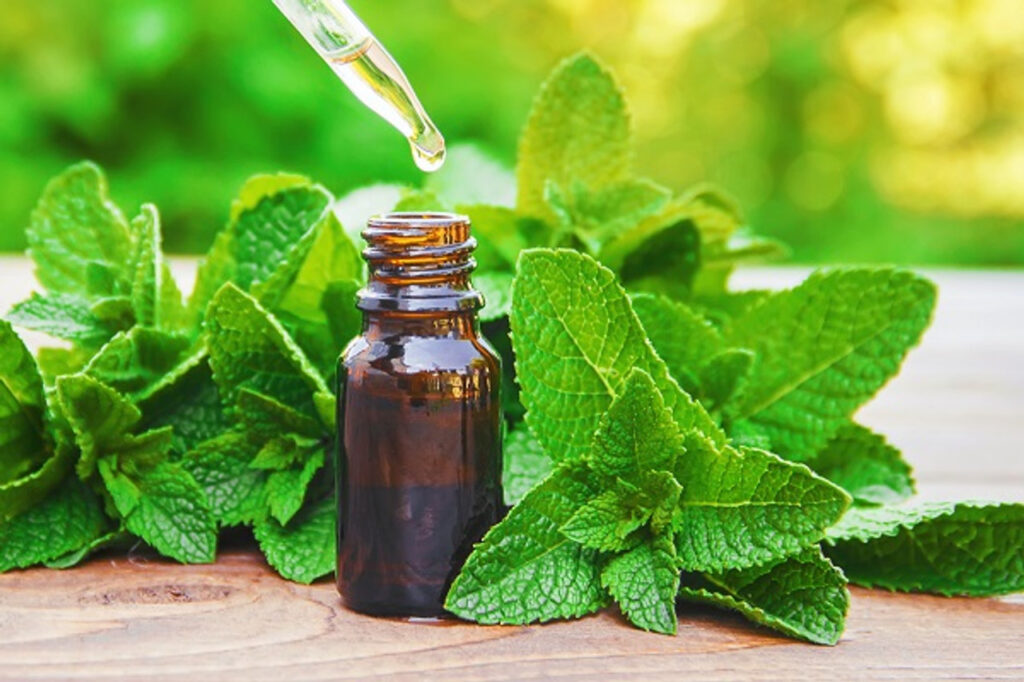
As we navigate the complexities of modern life, it’s easy to get caught up in stress and anxiety. That’s where peppermint essential oil comes in – a natural remedy with a multitude of benefits that can help alleviate everything from headaches to digestive issues.
In this article, we’ll delve into the world of peppermint essential oil, exploring its properties, uses, and remedies. Whether you’re looking to boost your mood, calm your nerves, or simply enjoy a refreshing pick-me-up, we’ve got you covered.
What is Peppermint Essential Oil?
Peppermint essential oil is extracted from the leaves and stems of the peppermint plant (Mentha piperita), a perennial herb native to Europe. This potent oil is renowned for its invigorating aroma, which can help stimulate mental clarity and focus.
Properties and Benefits
Peppermint essential oil boasts an impressive array of properties that make it an excellent addition to any natural health routine:
- Antiseptic and antifungal: Peppermint oil’s antimicrobial properties make it effective against bacteria, fungi, and viruses.
- Digestive aid: Peppmint oil can help alleviate digestive issues such as bloating, cramps, and indigestion.
- Calm and focus: The oil’s calming effects can help reduce stress and anxiety, while its invigorating aroma can boost mental clarity and focus.
- Pain relief: Peppermint oil has been shown to be effective in reducing pain and inflammation.
Remedies and Uses
From natural remedies to everyday uses, peppermint essential oil is a versatile ingredient that can be incorporated into your daily routine:
- Headache relief: Mix peppermint oil with lavender oil and apply to the temples for a soothing headache remedy.
- Digestive issues: Add a few drops of peppermint oil to warm water or tea to alleviate digestive issues.
- Muscle tension: Inhale peppermint oil directly from the bottle or mix it with a carrier oil for a refreshing muscle-relieving massage.
- Stress relief: Diffuse peppermint oil in your home or workspace to create a calming atmosphere.
The Science Behind Peppermint Essential Oil
But how exactly does peppermint essential oil work its magic? Let’s take a closer look at the science behind this natural remedy:
- Irritation of trigeminal nerve receptors: The menthol present in peppermint oil stimulates the trigeminal nerve, which is responsible for transmitting pain signals to the brain. This can help alleviate headaches and other pain-related issues.
- Inhibition of inflammatory pathways: Peppermint oil’s anti-inflammatory properties can help reduce swelling and inflammation in the body, making it an effective remedy for conditions such as arthritis.
Precautions and Contraindications
While peppermint essential oil is generally considered safe, there are some precautions and contraindications to be aware of:
- Skin irritation: Peppermint oil can cause skin irritation, particularly if used undiluted. Always dilute it with a carrier oil before applying it to the skin.
- Allergic reactions: Some people may be allergic to peppermint essential oil, which can cause symptoms such as hives and itching. If you experience any adverse reactions, discontinue use immediately.
FAQs
- Is peppermint essential oil safe for internal use?
Peppermint essential oil can be used internally, but it’s always best to consult with a healthcare professional before using it for medicinal purposes. - Can I use peppermint essential oil on my skin without diluting it?
No, it’s recommended to dilute peppermint essential oil in a carrier oil before applying it directly to the skin, as it can cause irritation and inflammation. - How do I store peppermint essential oil?
Peppermint essential oil should be stored in a cool, dark place, away from direct sunlight and heat sources. - Can I use peppermint essential oil during pregnancy or breastfeeding?
While peppermint essential oil is generally considered safe, it’s always best to consult with a healthcare professional before using it during pregnancy or breastfeeding.
By incorporating peppermint essential oil into your natural health routine, you can unlock its numerous benefits and start enjoying a healthier, happier life. Whether you’re looking to alleviate digestive issues, reduce stress and anxiety, or simply enjoy a refreshing pick-me-up, peppermint essential oil is an excellent addition to any self-care practice.
Natural Remedies Using Peppermint Essential Oil
Incorporating peppermint essential oil into your natural remedies can be incredibly effective. Here are some ideas to get you started:
- Peppermint tea: Steep dried peppermint leaves in hot water to create a soothing tea that can help alleviate digestive issues.
- Peppermint compresses: Mix peppermint essential oil with a carrier oil and apply it to the skin as a cold compress for relief from headaches and muscle tension.
- Peppermint mouthwash: Combine peppermint essential oil with water and vinegar to create a natural mouthwash that can help freshen breath and reduce plaque.
The Benefits of Peppermint Essential Oil in Skincare
Peppermint essential oil is not just limited to natural health remedies. It’s also an excellent addition to your skincare routine, providing numerous benefits for the skin:
- Anti-inflammatory properties: Peppermint oil’s anti-inflammatory properties can help reduce redness and inflammation in the skin.
- Antibacterial properties: The antimicrobial properties of peppermint oil can help combat acne-causing bacteria.
Conclusion
Peppermint essential oil is a natural remedy that offers numerous benefits for both physical and mental well-being. By incorporating it into your self-care practice, you can unlock its invigorating aroma and experience the many rewards it has to offer.


