
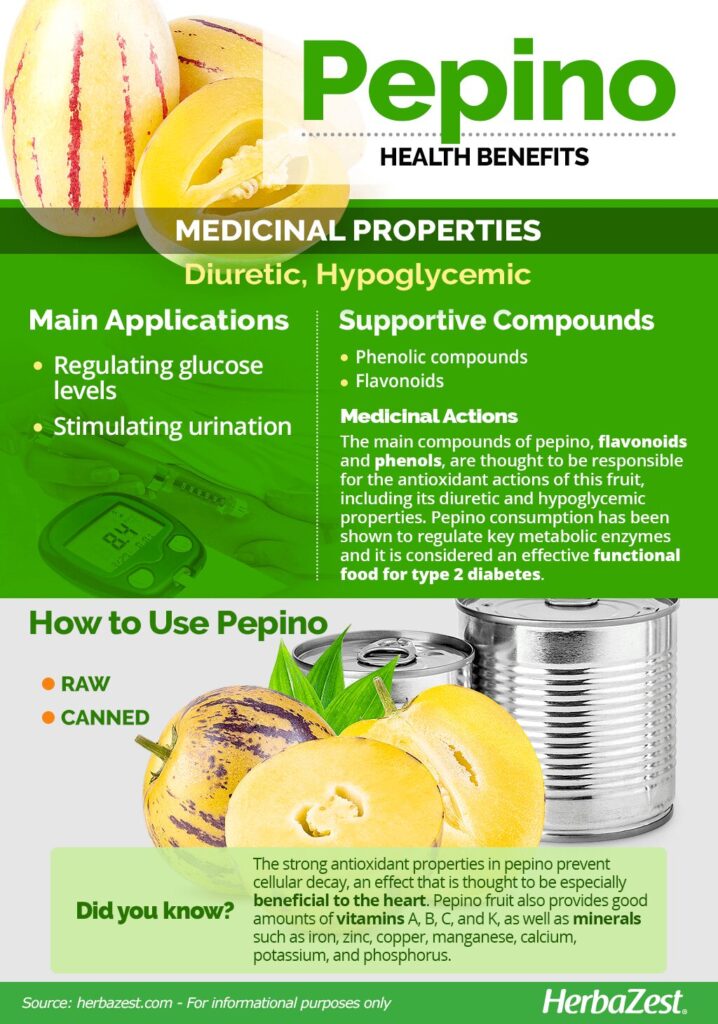
As we navigate the vast world of fruits, it’s easy to overlook some hidden gems that can provide us with numerous health benefits. The pepino, a small, yellow or purple fruit from the Andean region, is one such gem that deserves our attention. In this article, we’ll delve into the world of pepinos, exploring its origins, nutritional properties, and various uses.
What is a Pepino?
The scientific name for the pepino plant is Solanum muricatum Aiton, which belongs to the family of Solanaceae (same as tomatoes and eggplants). This versatile plant can thrive in various climates and conditions, making it an ideal choice for cultivation. The fruit itself is small, oval-shaped, with a sweet and slightly sour taste, similar to a combination of melons and cucumbers.
History and Cultural Significance
Pepinos have been consumed for centuries in the Andean region, where they were considered a staple food. The Incas believed that pepinos had medicinal properties and used them to treat various ailments. Today, this ancient fruit has gained popularity worldwide, thanks to its unique flavor and numerous health benefits.
Nutritional Properties
Pepinos are rich in water content (about 90%), as well as high levels of dietary fiber, vitamins A, B1, C, and K, and essential minerals like potassium, manganese, calcium, copper, and iron. They also contain a moderate amount of antioxidants and have been shown to lower cholesterol levels.
Fiber Content
Pepinos are an excellent source of dietary fiber, containing both soluble and insoluble fiber. The soluble fiber in pepinos can help slow down the digestion of carbohydrates, reducing the risk of developing insulin resistance and type 2 diabetes. The insoluble fiber helps promote regular bowel movements and prevent constipation.
Vitamins and Minerals
Pepinos are a good source of various vitamins and minerals, including:
- Vitamin A: Essential for healthy vision, immune function, and skin health.
- Vitamin B1 (Thiamin): Crucial for energy production and nerve function.
- Vitamin C: Important for immune function, collagen production, and iron absorption.
- Vitamin K: Necessary for blood clotting and bone health.
- Potassium: Helps regulate blood pressure and support overall cardiovascular health.
Antioxidant Properties
Pepinos contain a range of antioxidants, including flavonoids, carotenoids, and phenolic acids. These compounds have been shown to protect against cell damage, inflammation, and oxidative stress, which can contribute to various chronic diseases.
Health Benefits
The numerous health benefits of pepinos make it an excellent addition to your diet:
- Digestive Health: Pepinos are rich in dietary fiber, which can help regulate bowel movements and prevent constipation.
- Blood Pressure Management: The potassium content in pepinos can help lower blood pressure by counteracting the effects of sodium.
- Antioxidant Properties: The antioxidants present in pepinos may help protect against cell damage, inflammation, and certain diseases.
- Weight Management: Pepinos are low in calories and high in fiber, making them an excellent snack for weight loss and maintenance.
Using Pepinos in Cooking
Pepinos are a versatile ingredient that can be used in various dishes:
- Salads: Slice the fruit thinly and add it to your favorite salad recipe.
- Desserts: Use the seeds as a topping for ice cream or yogurt, or blend them into a smoothie.
- Savory Dishes: Add sliced pepinos to soups, stews, or stir-fries for added flavor.
Culinary Uses
Pepinos can be used in a variety of dishes, from sweet treats to savory meals:
- Juicing: Juice the fruit and mix it with other ingredients like ginger and turmeric for a refreshing drink.
- Pickling: Slice the fruit thinly and soak it in vinegar and spices for a tangy snack.
- Freezing: Freeze the fruit and use it as a topping for yogurt or oatmeal.
Cultivating Pepinos
If you’re interested in growing your own pepino plant, here are some tips:
- Climate: Pepinos thrive in temperate climates with moderate temperatures and humidity.
- Soil: The soil should be well-draining, fertile, and slightly acidic.
- Care: Provide the plant with adequate sunlight, water, and fertilization to promote healthy growth.
Pest and Disease Management
To ensure a healthy crop of pepinos, it’s essential to manage pests and diseases:
- Pests: Keep an eye out for pests like aphids, whiteflies, and spider mites.
- Diseases: Inspect the plant regularly for signs of disease like fungal infections, bacterial spot, and powdery mildew.
Where to Buy Pepinos
Pepinos may not be widely available in local markets, but you can try searching for them at specialty stores or online retailers. You might also consider substituting with melons or cucumbers as a substitute.
Growing from Seeds
If you want to grow your own pepino plant from seeds, follow these steps:
- Obtain high-quality seeds: Purchase seeds from a reputable supplier.
- Prepare the soil: Follow the steps for cultivating pepinos.
- Sow the seeds: Plant the seeds about 1/4 inch deep and 2-3 inches apart.
Tips for Harvesting
Pepinos are ready to harvest when they’re fully ripe. Here are some tips for harvesting:
- Check for ripeness: Check the fruit regularly for signs of ripeness like a yellow or purple color, a sweet aroma, and a slight softening.
- Handle with care: Handle the fruit gently to avoid bruising or damaging it.
Conclusion
The pepino is an extraordinary fruit that offers numerous health benefits and versatile uses in cooking. With proper cultivation and care, this fascinating plant can thrive in various environments, providing you with a fresh source of nutrition and inspiration for your next culinary adventure.


