
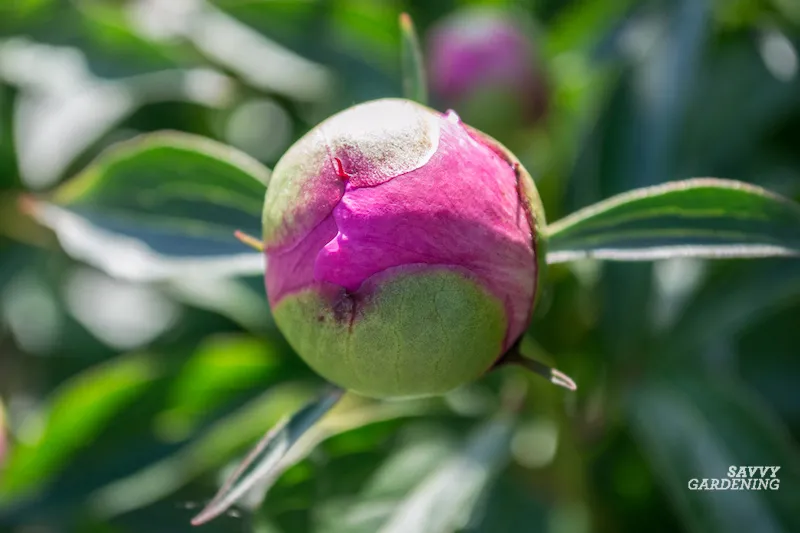
Are you frustrated with your peony not blooming? Don’t worry, we’ve got the solution! In this comprehensive guide, we’ll share the best tips and tricks for growing peonies, including how to promote blooming, care for your plant, and create stunning floral arrangements.
What are Peonies?
Peonies are one of the most popular perennials in gardens worldwide. They’re known for their show-stopping, double-petaled blooms that come in a variety of colors, from soft pastels to vibrant corals. With two main types of peonies – tree-blooming and herbaceous – and numerous hybrid varieties, it’s easy to find the perfect peony for your garden.
Understanding Peony Blooms
Peonies bloom only once a year, typically between April (for Peonia lobata) and June (for Peonia officinalis), depending on the species. Since blooms are limited, it’s crucial to encourage them as much as possible. Here are some key factors to consider:
- Sunlight: Most peonies require filtered sunlight or partial shade, except for those varieties that demand full sun.
- Watering: Ensure consistent moisture levels in the soil, but avoid overwatering, which can lead to root rot and other issues.
- Fertilization: Provide a balanced fertilizer during the growing season to promote healthy growth and blooming.
Pruning and Training
Proper pruning is essential for maintaining your peony’s health and encouraging blooms. Here are some tips:
- Remove dead flowers: After blooming, cut back the stems to about an inch above the ground to encourage new growth.
- Divide and replant: Every 3-4 years, divide and replant your peony to prevent overcrowding and maintain its vigor.
- Support tall varieties: For tree-blooming peonies, provide support with stakes or trellises to prevent them from toppling over in the wind.
Common Issues and Solutions
If you’re experiencing problems with your peony not blooming, try these solutions:
- Root rot: Improve drainage by adding organic matter like compost or perlite to the soil.
- Pests and diseases: Inspect your plant regularly for signs of infestation or infection, and take action promptly if necessary.
Growing Peonies in Containers
If you’re growing your peony in a container, here are some key considerations:
- Choose a large enough pot: Select a container with a minimum diameter of 50 cm and depth to accommodate the plant’s extensive root system.
- Provide good air circulation: Make sure your peony has adequate space around it to prevent moisture buildup and fungal diseases.
- Use a well-draining potting mix: Avoid using regular garden soil, which can compact and lead to waterlogging.
Creating Stunning Floral Arrangements
Peonies make perfect flowers for bouquets and arrangements. Here are some tips:
- Pick the right stems: Select fresh, sturdy stems with an abundance of blooms.
- Cut at an angle: Trim the stems at a 45-degree angle to prevent water from collecting in the stem.
- Add greenery: Incorporate foliage like eucalyptus or ferns to add texture and depth to your arrangement.
Frequently Asked Questions
Here are some answers to common questions about growing peonies:
- Q: How often should I fertilize my peony?
A: Fertilize your peony with a balanced fertilizer every 10 days, starting from spring. - Q: Can I grow peonies in full sun?
A: While most peonies prefer filtered sunlight or partial shade, some varieties can tolerate full sun. - Q: How often should I prune my peony?
A: Prune your peony after blooming to remove dead flowers and encourage new growth.
Growing peonies requires patience, dedication, and a willingness to learn. By following these tips and tricks, you’ll be well on your way to enjoying stunning blooms and creating beautiful floral arrangements that will impress friends and family alike!
Additional Tips for Growing Peonies
Here are some additional tips to keep in mind when growing peonies:
- Mulch around the base: Mulching helps retain moisture, suppress weeds, and regulate soil temperature.
- Monitor for pests and diseases: Regularly inspect your plant for signs of infestation or infection, and take action promptly if necessary.
- Deadhead regularly: Remove spent blooms to encourage new growth and prevent seed production.
Common Peony Varieties
There are many beautiful peony varieties to choose from, each with its own unique characteristics. Here are some popular varieties:
- Peony ‘Red Charm’: A compact, double-petaled variety with vibrant red flowers.
- Peony ‘Coral Charm’: A semi-double variety with coral-colored blooms.
- Peony ‘Pink Charm’: A single-petaled variety with delicate pink flowers.
Growing Peonies in Different Regions
Peonies can be grown in various regions, but it’s essential to choose varieties that are suitable for your climate and soil type. Here are some tips:
- Choose heat-tolerant varieties: If you live in a hot climate, select peony varieties that are tolerant of high temperatures.
- Select varieties with cold hardiness: If you live in an area with frost, choose peony varieties that can withstand cold temperatures.
Conclusion
Growing peonies is a rewarding experience that requires patience, dedication, and knowledge. By following these tips and tricks, you’ll be well on your way to enjoying stunning blooms and creating beautiful floral arrangements. Remember to provide the right care, prune regularly, and monitor for pests and diseases. Happy growing!


