
Introduction
If you’re looking for a low-maintenance, yet visually stunning plant to add some color to your garden or balcony, look no further than Pennisetum. This versatile grass-like plant is perfect for both beginners and experienced gardeners, and can be easily grown in a variety of conditions.
In this article, we’ll delve into the characteristics, cultivation, varieties, and price of Pennisetum, as well as provide tips on how to care for it and where to buy it.
Characteristics of Pennisetum
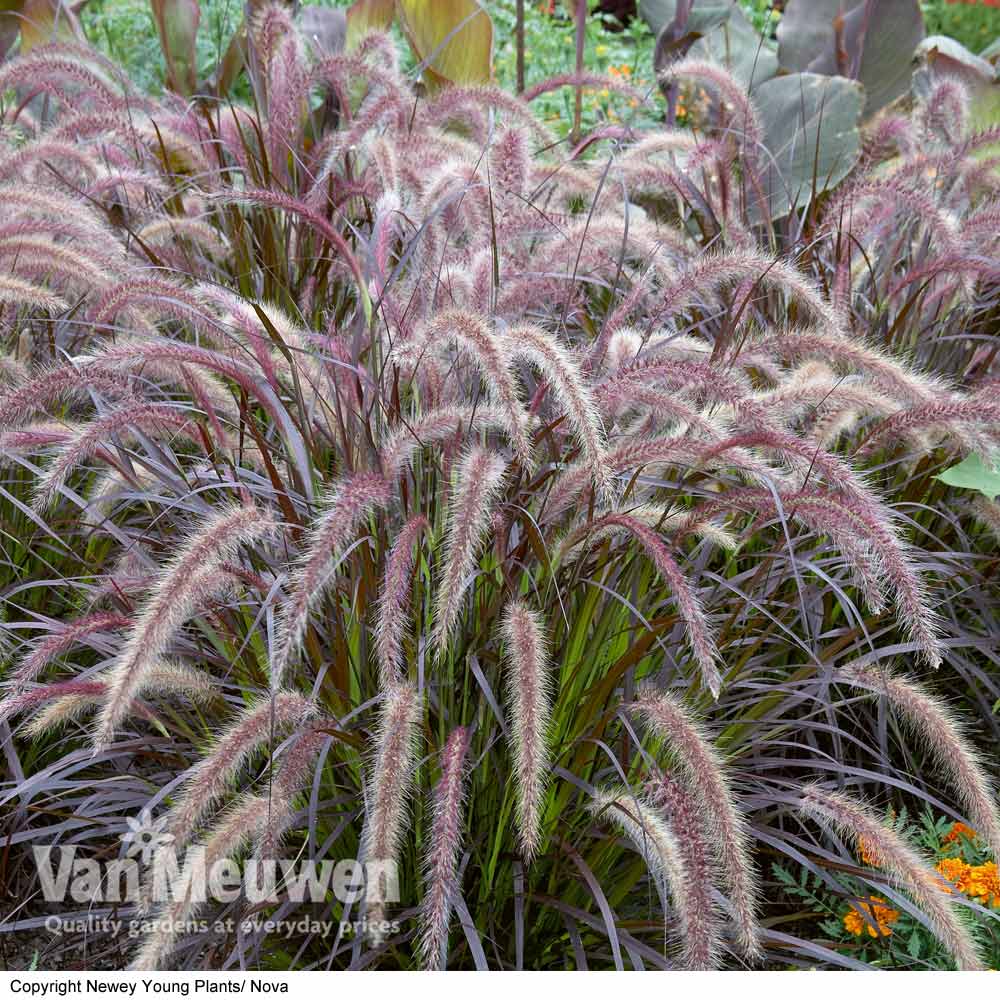
Pennisetum is a perennial grass that can be grown as a single plant or in long, ornamental borders. It produces showy flowers that can be used to create beautiful compositions and bouquets. The plant has robust and fascicated roots that anchor it firmly in the ground, while its aerial part grows rapidly and forms dense clumps.
The leaves of Pennisetum are light, delicate, and have a pointed tip, with smooth margins and a bright green color. They tend to turn yellow or golden brown during the autumn months, creating a beautiful contrast with the purple flowers that appear in the summer.
Cultivation of Pennisetum
Pennisetum is relatively easy to grow, but it does require some care. The plant prefers full sun to partial shade and well-draining soil with a neutral pH. It’s also essential to water it regularly, especially during hot summer months.
In the spring, prune the plant by removing dead or damaged stems, as well as old leaves to promote healthy growth. Regular fertilization is also necessary, using a balanced fertilizer that promotes root development and green foliage.
To protect Pennisetum from frost damage, apply a layer of mulch or straw around the base of the plant during the winter months.
Varieties of Pennisetum
There are several varieties of Pennisetum available, each with its unique characteristics and growth habits. Some of the most popular varieties include:
- Pennisetum setaceum: This tropical variety can grow up to 1 meter tall and produces dark-colored flowers that turn lighter as they mature.
- Pennisetum alopecuroides: This variety reaches a height of about 1 meter and forms dense clumps with long, narrow leaves. It blooms in late summer.
- Pennisetum orientale: This variety has a fountain-like shape and produces small, violet-colored flowers that bloom in June.
- Pennisetum villosum: This rustic variety can grow up to 80 cm tall and produces white inflorescences in the autumn.
Price of Pennisetum
Pennisetum is an affordable plant option, with prices ranging from a few euros for seeds to several decades for established plants. You can also find pre-packaged seedlings or pots at a lower cost.
Here are some approximate price ranges for different types of Pennisetum:
- Seeds: €0.50-€5 per packet (depending on the variety and quantity)
- Seedlings: €2-€10 each, depending on the size and age
- Pots: €5-€20 each, depending on the material and size
- Established plants: €50-€100+ each, depending on the size, age, and variety
Where to Buy Pennisetum
If you’re looking to purchase Pennisetum, here are some options:
- Amazon: This online retailer offers a wide range of Pennisetum varieties, including seeds and seedlings.
- Local nurseries: Visit your local nursery or gardening store to inquire about Pennisetum availability.
- Garden centers: Many garden centers carry Pennisetum plants, either in pots or as seedlings.
Tips for Growing Pennisetum
Here are some additional tips for growing Pennisetum:
- Soil preparation: Before planting, make sure the soil is well-draining and has a neutral pH.
- Watering: Water your Pennisetum plant regularly, especially during hot summer months.
- Fertilization: Use a balanced fertilizer to promote root development and green foliage.
- Pruning: Prune your Pennisetum plant in the spring to remove dead or damaged stems and old leaves.
Common Problems with Pennisetum
While Pennisetum is generally easy to grow, it can be affected by some common problems. Here are a few things to watch out for:
- Fungal diseases: Fungal diseases like powdery mildew and leaf spot can affect Pennisetum plants.
- Pest infestations: Common pests like aphids, whiteflies, and spider mites can infest Pennisetum plants.
- Over-watering: Over-watering can cause roots to rot and lead to plant death.
FAQs
Here are some frequently asked questions about Pennisetum:
- How do I care for my Pennisetum plant?
Answer: Regular watering, pruning, and fertilization will keep your Pennisetum healthy and thriving. - Can Pennisetum tolerate frost?
Answer: No, Pennisetum is sensitive to frost and should be protected during the winter months. - How often do I need to water my Pennisetum plant?
Answer: Water your Pennisetum plant regularly, especially during hot summer months. - What types of soil does Pennisetum prefer?
Answer: Pennisetum prefers well-draining soil with a neutral pH. -
Can I grow Pennisetum indoors?
Answer: Yes, but make sure to provide it with enough light and maintain a suitable temperature. -
How long does it take for my Pennisetum plant to bloom?
Answer: The blooming period of Pennisetum can vary depending on the variety, climate, and other factors. -
Can I propagate my Pennisetum plant using seeds or cuttings?
Answer: Yes, but seeds are generally easier to germinate and produce healthy offspring. -
What are some common pests that affect Pennisetum plants?
Answer: Common pests like aphids, whiteflies, and spider mites can infest Pennisetum plants, so regular monitoring is essential.
By following these guidelines and tips, you’ll be able to grow a beautiful and thriving Pennisetum plant in your garden or balcony. Happy planting!


