
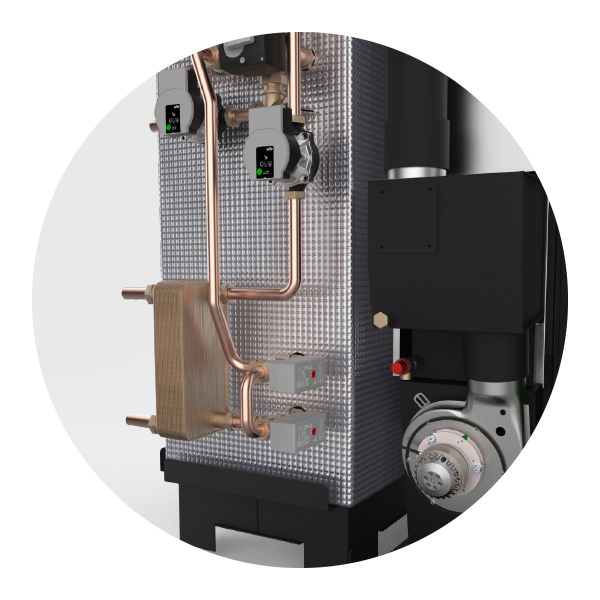
Understanding the Purpose of a Puffer
A puffer is essentially a water tank that stores hot water for use in various applications, including heating and sanitation. It’s an integral component of pellet stove systems, where it helps to reduce energy consumption by storing excess heat produced by the combustion of pellets.
Key Considerations for Choosing a Puffer
When selecting a puffer for your pellet stove system, there are several factors to consider. These include the size of the puffer, the type of material used, and the overall cost of ownership.
Puffer Size Options: 200-2000 Liters
Puffers come in various sizes, ranging from 200 liters to over 2000 liters. The choice of size will depend on your specific heating needs and the space available for the puffer.
Advantages and Disadvantages of Using a Puffer
The use of a puffer offers several benefits, including:
- Reduced energy consumption by storing excess heat
- Increased efficiency in heating systems
- Flexibility in using hot water for both heating and sanitation
However, there are also some drawbacks to consider:
- Space requirements: puffers can be bulky and require significant storage space.
- Higher upfront cost compared to traditional heating solutions.
How a Puffer Works
A puffer works by storing excess heat produced by the pellet stove and releasing it as needed. This process helps to reduce energy waste and optimize heating efficiency.
Benefits of Using a Puffer in Pellet Stove Systems
The use of a puffer can lead to significant benefits, including:
- Reduced energy consumption
- Increased efficiency in heating systems
- Improved flexibility in using hot water for both heating and sanitation
When to Use a Puffer
A puffer is particularly useful in situations where there is a high demand for hot water. This includes households with multiple bathrooms, as well as businesses that require large quantities of hot water.
Factors to Consider When Choosing the Right Puffer
When selecting a puffer, consider the following factors:
- Size: Choose a puffer that meets your specific heating needs.
- Material: Select a puffer made from durable and heat-resistant materials.
- Cost: Balance the upfront cost with the long-term benefits of using a puffer.
Tips for Optimizing Puffer Performance
To get the most out of your puffer, follow these tips:
- Regularly clean and maintain the puffer to ensure optimal performance
- Use a high-quality puffer that is designed for pellet stove systems
- Monitor energy consumption and adjust heating settings as needed
Conclusion: Maximizing Efficiency with Puffers in Pellet Stove Systems
In conclusion, puffers play a crucial role in optimizing efficiency in pellet stove systems. By understanding the benefits and drawbacks of using a puffer, you can make an informed decision about whether it’s the right choice for your specific heating needs.
Frequently Asked Questions: Implementing a Puffer in Your Pellet Stove System
- What are the benefits of using a puffer in my pellet stove system?
Using a puffer can lead to significant energy savings and improved efficiency. - How do I choose the right size of puffer for my heating needs?
Consider factors such as your household’s energy consumption, water usage, and available space when selecting a puffer. - What type of material should I use for my puffer?
Select a high-quality, heat-resistant material that is designed specifically for pellet stove systems. - How often should I clean and maintain my puffer to ensure optimal performance?
Regular cleaning and maintenance will help ensure your puffer operates efficiently and effectively. - Can I use a puffer with other heating solutions, such as traditional boilers or heat pumps?
While puffers can be used in conjunction with other heating solutions, they are most effective when paired with pellet stoves. - What is the typical cost of purchasing and installing a puffer in my pellet stove system?
The upfront cost will depend on factors such as the size and quality of the puffer, as well as installation costs. - Are there any environmental benefits to using a puffer in my pellet stove system?
Yes, using a puffer can help reduce energy consumption and lower greenhouse gas emissions. - Can I install a puffer in a basement or attic?
While it’s possible to install a puffer in a basement or attic, ensure that the space is accessible for maintenance and that local building codes are met.
Additional Considerations
- Ensure proper ventilation: Proper ventilation is crucial when using a puffer in your pellet stove system. This will help remove excess moisture from the air and prevent damage to your home.
- Choose the right pellets: The type of pellets you use can significantly impact the performance of your puffer. Opt for high-quality, dry pellets that are designed specifically for pellet stoves.
Common Issues and Solutions
- Puffer not heating: If your puffer is not heating, check if it’s properly connected to the pellet stove system and if there are any blockages in the pipes.
- Puffer leaking water: If you notice water leaking from your puffer, inspect the connections and tighten any loose fittings.
By following these guidelines and tips, you can optimize your puffer’s performance and enjoy a more efficient, cost-effective heating solution.


