
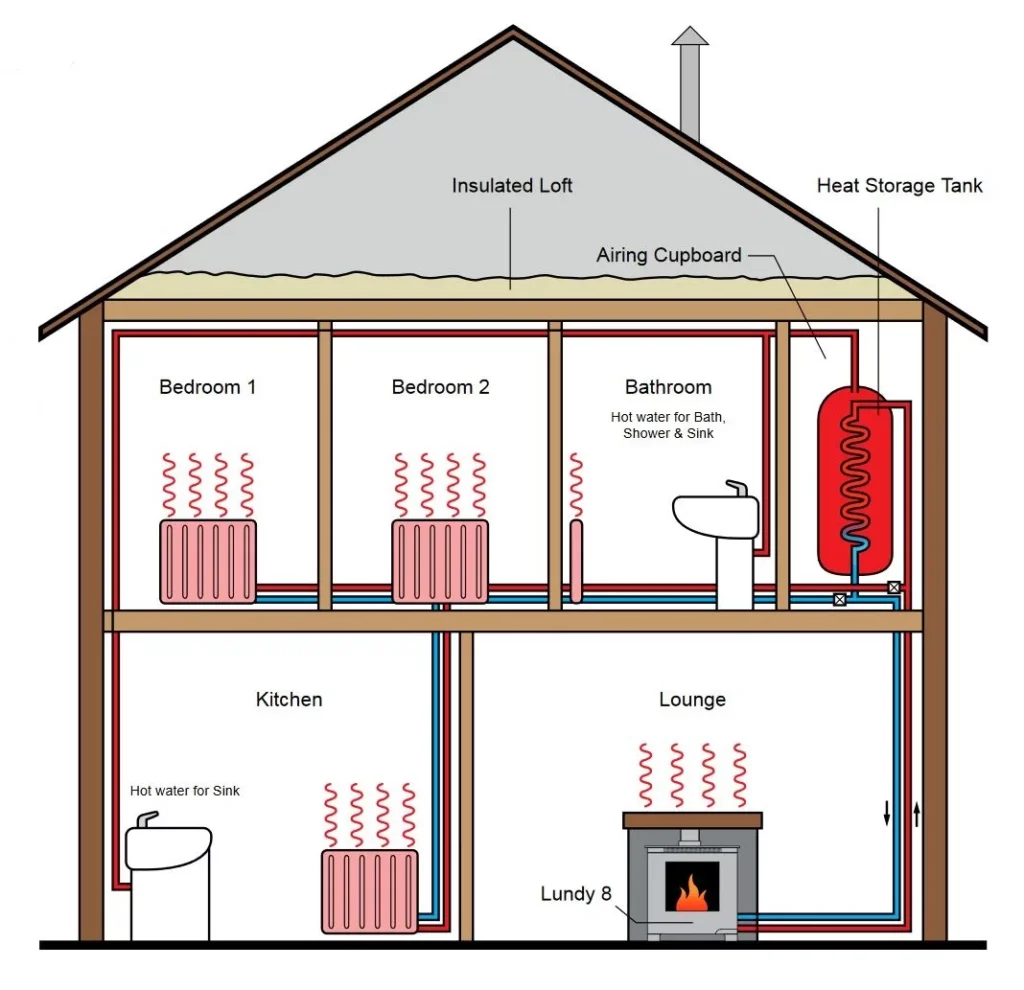
If you’re considering installing a pellet stove to produce hot water, you’ve come to the right place. In this article, we’ll explore the benefits and drawbacks of using a pellet stove for hot water production, as well as provide information on how to get started.
Pellet Stoves: A Powerful Solution for Hot Water Production
Pellet stoves are a type of biomass furnace that can be used to produce both domestic heat and hot water. These stoves use compressed wood pellets or other biomass fuels to generate heat, which is then transferred to the water through an exchanger.
The Benefits of Pellet Stove Hot Water Systems
There are several benefits to using a pellet stove for hot water production. For one, they can be highly efficient and produce a significant amount of heat energy. Additionally, pellet stoves are often quieter and cleaner-burning than traditional fossil fuel-based systems.
However, there are also some drawbacks to consider. One of the main issues is that pellet stoves require a separate storage tank or “puffer” to hold hot water, which can take up valuable space in your home.
How Pellet Stove Hot Water Systems Work
Pellet stove hot water systems typically work as follows:
- The pellet stove burns biomass fuel to produce heat.
- The heat is transferred to the water through an exchanger.
- The hot water is stored in a separate tank or “puffer”.
- When you need hot water, the tank is filled with fresh cold water and the heated water is dispensed.
The Drawbacks of Pellet Stove Hot Water Systems
While pellet stove hot water systems can be highly efficient, there are some drawbacks to consider:
- They require a separate storage tank or “puffer”, which can take up valuable space in your home.
- They can be expensive to install and maintain.
- The water temperature may not be as high as you need it to be.
Puffers: A Solution to the Space Problem
One solution to the space problem is to use a puffer, also known as a “boiler”. A puffer is essentially a separate tank that stores hot water, which can be used to heat your home. Puffers come in a range of sizes, from 200 liters to over 2,000 liters.
How to Choose the Right Puffer for Your Pellet Stove
When choosing a puffer for your pellet stove, there are several factors to consider:
- Size: Make sure the puffer is large enough to hold enough hot water to meet your needs.
- Material: Look for puffers made from durable, high-quality materials that can withstand the heat of the pellet stove.
- Efficiency: Choose a puffer with good thermal efficiency to ensure that you’re getting the most out of your pellet stove.
Collegating Your Pellet Stove to Your Home’s Plumbing System
When connecting your pellet stove to your home’s plumbing system, it’s essential to follow proper safety protocols. Here are some tips:
- Never connect your pellet stove directly to your termosifoni (hot water taps).
- Use a collettore idraulico (water collector) to route the hot water from your pellet stove to your home’s plumbing system.
- Make sure all connections are secure and properly insulated to prevent leaks or other safety issues.
Types of Puffers
There are several types of puffers available for use with pellet stoves, including:
- Steel puffers: These are the most common type of puffer and are made from durable steel materials.
- Cast iron puffers: These are also made from durable materials but have a more traditional look and feel.
- Copper puffers: These are made from high-quality copper materials and are ideal for homes with high hot water demands.
Puffer Sizes
The size of the puffer you need will depend on your specific heating needs and the capacity of your pellet stove. Here are some general guidelines to consider:
- Small puffers (200-400 liters): These are suitable for small homes or apartments.
- Medium puffers (400-800 liters): These are ideal for medium-sized homes or families.
- Large puffers (800-1,600 liters): These are suitable for large homes or commercial applications.
Puffer Materials
The material used to make a puffer is also an important consideration. Here are some factors to consider:
- Durability: Look for puffers made from durable materials that can withstand the heat of your pellet stove.
- Corrosion resistance: Make sure the puffer is made from materials that won’t corrode or rust over time.
- Efficiency: Choose a puffer with good thermal efficiency to ensure that you’re getting the most out of your pellet stove.
Maintenance and Repair
Regular maintenance and repair are essential to ensuring the longevity of your puffer. Here are some tips:
- Clean the puffer regularly to prevent buildup and debris.
- Check the connections for leaks or other issues.
- Inspect the puffer for signs of wear and tear, such as cracks or rust.
Conclusion
Pellet stove hot water systems can be an efficient and cost-effective solution for producing hot water in your home. However, there are some drawbacks to consider, including the need for a separate storage tank or “puffer” and the potential for higher upfront costs. By understanding how pellet stove hot water systems work and following proper safety protocols when connecting them to your plumbing system, you can enjoy the benefits of this eco-friendly heating solution.
FAQs
- What is the difference between a pellet stove and a termostufa?
A pellet stove is a type of biomass furnace that uses compressed wood pellets or other biomass fuels to generate heat, while a termostufa is a type of stove that uses fuel rods to produce heat. - How efficient are pellet stoves for hot water production?
Pellet stoves can be highly efficient for producing hot water, with some models achieving efficiencies of over 90%. - What size puffer do I need for my pellet stove?
The size of the puffer you need will depend on your specific heating needs and the capacity of your pellet stove. - Can I use a traditional boiler instead of a puffer?
While it’s possible to use a traditional boiler with a pellet stove, a puffer is generally more efficient and cost-effective for producing hot water. - How do I connect my pellet stove to my home’s plumbing system?
To connect your pellet stove to your home’s plumbing system, you’ll need to follow proper safety protocols and use a collettore idraulico (water collector) to route the hot water from your pellet stove to your home’s plumbing system. - What are some common issues with pellet stove hot water systems?
Common issues with pellet stove hot water systems include leaks, blockages, and poor thermal efficiency. - Can I use a puffer with other types of biomass furnaces?
While puffers are specifically designed for use with pellet stoves, they can also be used with other types of biomass furnaces that produce heat through combustion or convection. - What are the long-term benefits of using a pellet stove for hot water production?
The long-term benefits of using a pellet stove for hot water production include lower energy costs, reduced greenhouse gas emissions, and improved indoor air quality.
Additional Resources
If you’re considering installing a pellet stove to produce hot water, there are several additional resources available to help you make an informed decision. Here are some recommendations:
- The Biomass Energy Association of Canada: This organization provides information on biomass energy production, including pellet stoves.
- The Pellet Fuels Institute: This organization represents the pellet fuels industry and provides information on pellet stove performance and safety.
- The Canadian Standards Association (CSA): This organization sets standards for the safety and performance of various products, including pellet stoves.
By understanding how pellet stove hot water systems work and following proper safety protocols when connecting them to your plumbing system, you can enjoy the benefits of this eco-friendly heating solution.


