
Understanding Pellagra: Causes, Symptoms, and History
What is Pellagra?
Pellagra is a rare disease caused by a deficiency of the vitamin PP, also known as Vitamin B3 or niacin. Niacin is a crucial component of two coenzyme molecules: nicotinamide adenine dinucleotide (NAD) and nicotinamine adenine dinucleotide phosphate (NADP). These enzymes play vital roles in various cellular reactions, including glycolysis, the Krebs cycle, and fatty acid synthesis. With over 200 enzymes relying on NAD for function, its deficiency can have far-reaching consequences.
The History of Pellagra
Historically, pellagra was a significant public health concern, particularly in developing countries with limited access to nutrient-rich food sources. In Italy, the condition was closely linked to the consumption of polenta, leading to widespread outbreaks in the 19th century. However, as the Italian economy improved and nutritional knowledge grew, the incidence of pellagra gradually decreased.
Sintomi di pellagra: cosa succede al corpo quando si manca di vitamina PP
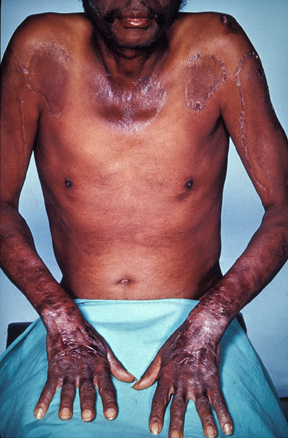
When niacin levels fall, the body’s cells are severely impacted, leading to a range of symptoms. The first signs of pellagra include inflammation of the mouth and tongue, which can turn black or dark brown in severe cases. Skin irritation and dryness become more pronounced, with desquamation (skin peeling) occurring predominantly on sun-exposed areas. Diarrhea and ulcers in the digestive tract are also common symptoms, while in extreme cases, neurological damage can occur, resulting in a complete breakdown of mental faculties.
La storia dell’Italia pellagra: dalla carenza di vitamina PP al miglioramento economico e sanitario
Pellagra was rampant in Italy during the 19th century, with over 100,000 reported cases in 1881. However, as economic conditions improved and nutritional knowledge grew, so did awareness of pellagra’s causes. The introduction of vitamins and improvements in agricultural practices helped reduce cases, with only a few thousand reported in 1910 and tens more in 1923.
La polenta e la carenza di vitamina PP: un legame strettissimo
Contrary to popular belief, the problem lay not with polenta itself but with the limited dietary variety among impoverished communities. These individuals relied on polenta as a staple food without adequate complementation from nutrient-rich foods like meats, fish, eggs, dairy products, and grains. It was this nutritional insufficiency that led to pellagra’s high prevalence.
Pellagra in Asia: The Risks of Excessive Rice Consumption
In contrast, rice-related pellagra has been identified in Asia, where excessive consumption of the grain can lead to niacin deficiency due to its low vitamin content. To combat this issue, Japan introduced a type of pasta made from buckwheat flour, which is now known as soba noodles. These noodles are rich in niacin and have become popular globally.
Alimenti ricchi di vitamina PP
To maintain optimal health, it’s essential to consume foods that provide adequate amounts of vitamin B3 (niacin). Some top sources include:
- Yeast
- Red meat
- Soybeans
- Buckwheat noodles
By understanding the causes and symptoms of pellagra, we can better appreciate its historical significance and the importance of a balanced diet. With continued research into nutritional science, it’s possible to reduce the incidence of this disease and promote overall well-being.
Prevention and Treatment
Pellagra can be effectively managed by ensuring a balanced diet rich in niacin-containing foods, supplemented with vitamins if necessary. The treatment typically involves oral supplements or intravenous injections of niacin. In severe cases, hospitalization may be required to ensure proper management and prevent further complications.
Conclusion
In conclusion, pellagra is a rare but serious disease that can have devastating consequences on the human body. By understanding its history, causes, symptoms, and prevention methods, we can take steps to reduce its incidence and promote overall health. With continued research into nutritional science, it’s possible to create more effective treatments and improve the lives of those affected by this condition.
Frequently Asked Questions
Q: What is the primary cause of pellagra?
A: Pellagra is primarily caused by a deficiency in vitamin PP (niacin), which can be obtained through various food sources.
Q: Which food was historically associated with pellagra?
A: Polenta, which became linked to pellagra due to its limited nutrient profile and widespread consumption among impoverished communities.
Q: What role does rice play in Asian societies?
A: Excessive rice consumption can lead to niacin deficiency, resulting in pellagra in some regions of Asia.
Q: How do soba noodles compare to other grains regarding nutritional content?
A: Soba noodles are rich in niacin and have become a popular choice among health-conscious consumers due to their high nutrient profile.
Q: What foods provide adequate amounts of vitamin B3 (niacin)?
A: Foods like yeast, red meat, soybeans, and buckwheat noodles are excellent sources of niacin.
Q: Can pellagra be prevented or treated?
A: Pellagra can be effectively managed by ensuring a balanced diet rich in niacin-containing foods, supplemented with vitamins if necessary.


