
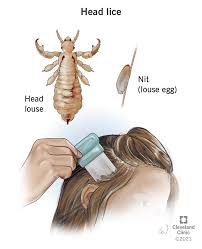
What is Pediculosis?
Pediculosis is a skin condition caused by an infestation of lice, specifically the three species that infect humans: head lice (Phthirus pubis), body lice (Pediculus humanus corporis), and pubic lice (Phthirus pubis). While head lice are primarily found in the hair, body lice can cause more widespread symptoms.
How is Pediculosis Spread?
Pediculosis is often spread through close contact with an infected person, such as sharing personal items or sleeping in the same bed. In areas with low hygiene standards and poverty, pediculosis is more prevalent. In Europe and North America, body lice are more common among homeless individuals, while in other parts of the world, the problem is widespread.
How Big Are the Lice?
The body louse measures between 2-4 mm in length. It’s slightly larger than head lice but shares a similar morphology. These parasites live in clothing and deposit eggs near seams. They feed on human blood, can survive for up to three days without feeding, making them tenacious pests.
How is Pediculosis Transmitted?
The louse acts as a vector for diseases like typhus epidemic, fever from trenches, and recurrent fever. There’s also evidence linking Bartonella quintana transmission through lice infestations to endocarditis. This highlights the severity of pediculosis consequences.
Recognizing Symptoms and Reaching a Correct Diagnosis
The primary symptom is pruritus (itching), which may or may not be severe. Physical signs can include linear excoriations on the torso and neck, post-inflammatory hyperpigmentation, and occasional small pustules. A doctor’s examination might reveal fresh bites or hemorrhagic pungiglions.
Diagnosis involves inspecting clothing, particularly seams, for lice or eggs. Less commonly, one might observe lice straying or feeding on skin. Visible lice can be seen with the naked eye, but a magnifying lens is more useful for spotting both lice and eggs.
A differential diagnosis may include scabies (causing widespread itching and small bumps), eczema (dermatitis), or other conditions that share similar symptoms. Identifying tanaceto tea as an alternative treatment against pediculosis has also gained attention.
Treating Pediculosis
Infected individuals must be thoroughly washed, with particular focus on clothing and bedding. Infested items should be laundered hot, dried completely, or discarded to eliminate lice. Ironing clothes can kill existing lice as well. In most cases, cleaning is enough for managing pediculosis.
Topical Treatments and Medications
For those with widespread infestations, topical treatments may be necessary. Applying a permethrin cream on the entire body once every 8-10 days can help eliminate lice. Lindane cream should not be used as initial treatment due to potential severe side effects. Corticosteroid creams applied twice daily for several days provide symptomatic relief.
Oral Medications: A Controversial Topic
Ivermectin has been suggested as a treatment option, particularly in reducing body louse prevalence among homeless individuals. However, studies indicate that this effect is temporary. Further research is needed to determine if oral ivermectin should be recommended for treating pediculosis.
Study on Wearing Permethrin-Infused Underwear
A randomized study compared wearing permethrin-infused underwear for 45 days with a placebo in individuals without a fixed address who had body lice. The study found minimal benefit from using such clothes. Moreover, the analysis suggested that wearing these treated underwear would not be effective.
Conclusion: Understanding and Managing Pediculosis
Pediculosis is a widespread problem worldwide, often associated with poor hygiene and living conditions. Treating pediculosis involves thorough washing of clothing and bedding, ironing to kill lice, and topical treatments in severe cases. The effectiveness of oral medications like ivermectin remains uncertain.
Frequently Asked Questions:
- What are the signs of head lice infestation?
- Pruritus (itching)
- Small red spots or bumps
- Visible lice or nits in hair
- How do I treat body lice?
- Wash and dry clothing thoroughly
- Use permethrin cream on the entire body every 8-10 days
- Consider topical corticosteroids for symptomatic relief
- Can oral ivermectin effectively treat pediculosis?
- There is limited evidence supporting its effectiveness as a long-term treatment
- What can I do to prevent re-infestation after treating pediculosis?
- Regularly wash and dry clothing, especially in shared spaces
- Use permethrin-treated underwear or socks for added protection
- Can lice infestations lead to serious health issues?
- Yes, Bartonella quintana transmission through lice can cause endocarditis
Additional Prevention Methods
- Regular hair washing: This helps remove eggs and reduce the risk of re-infestation.
- Dry cleaning or ironing: Remove any existing lice before they hatch from nits by using a hot dryer or ironing with high heat for several minutes.
Preventing Pediculosis in Schools
- Establish strict hygiene policies: Encourage students to wash their hair regularly and avoid sharing personal items.
- Promote open communication: Educate students, parents, and staff about pediculosis prevention methods.
Understanding the Impact of Socioeconomic Factors on Pediculosis Prevalence
Research suggests that poverty, homelessness, and poor living conditions are significant risk factors for pediculosis. Increasing awareness among policymakers and service providers can help address these underlying issues to prevent further spread of infestations.
In conclusion, understanding and managing pediculosis requires a comprehensive approach that includes education on prevention methods, strict hygiene practices, and treatment options. By addressing the socio-economic determinants of health, we can work towards reducing the prevalence of this often-overlooked condition.


