
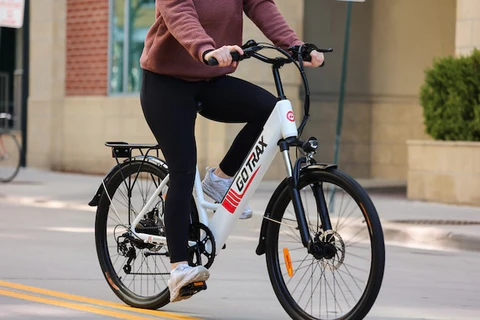
As we move towards a more sustainable and environmentally-friendly transportation system, the role of two-wheel vehicles is becoming increasingly important. One innovation that’s poised to revolutionize the way we think about commuting is the pedelec, or pedal electric cycle. In this article, we’ll delve into the world of e-bikes, exploring their benefits, features, and the future of transportation.
What are Pedelecs?
A pedelec is a type of bicycle equipped with an electric motor that assists the rider’s pedaling, providing additional power and speed. The term “pedelec” comes from the German words “Pedal Electric Cycle,” which accurately describes this innovative mode of transportation.
Key Characteristics of Pedelecs
Here are some key features that set pedelecs apart from traditional bicycles:
- Electric assistance: The motor provides additional power to help riders pedal, reducing fatigue and increasing speed.
- Speed limit: At 25 km/h (15.5 mph), the motor disengages automatically, ensuring compliance with local regulations.
- No license required: As a bicycle, pedelecs don’t require a driver’s license or registration, making them an attractive option for commuters.
The Rise of Pedelecs
According to a report by ExtraEnergy, the association of German companies promoting e-mobility, the number of pedelec sales is expected to reach 1.6 million units worldwide by 2018. This growth is driven by increasing demand from both urban and rural areas.
Why are Pedelecs Popular?
So why have pedelecs become so popular in recent years? Here are some reasons:
- Environmental benefits: Electric bicycles produce zero emissions, making them an attractive option for eco-conscious commuters.
- Convenience: Pedelecs offer a convenient and affordable way to get around town, reducing reliance on cars and public transportation.
- Health benefits: Regular cycling can improve cardiovascular health and reduce stress.
Who Can Benefit from Pedelecs?
Pedelecs are not just for young professionals or urban dwellers. These bicycles can be adapted to suit different ages and abilities:
- Pendolari: Commuters who need a reliable way to get to work, with pedelecs providing an eco-friendly alternative.
- Seniors: Pedelecs offer a safe and accessible mode of transportation for older adults.
- People with disabilities: The adjustable handlebars and comfortable seating make pedelecs suitable for riders with mobility impairments.
The Role of Automotive Companies in the Pedelec Market
While pedelecs are becoming increasingly popular, they’re not just limited to bicycle manufacturers. Automotive companies like BMW and Volkswagen have entered the market with their own lines of e-bikes:
- BMW: The German automaker has launched its own range of pedelecs, offering a convenient and eco-friendly transportation solution.
- Volkswagen: The VW Group’s eBike Smart offers an affordable and practical way to get around town.
The European Bike-Sharing Scene
Europe is home to numerous bike-sharing schemes, providing citizens with access to pedelecs and other types of bicycles:
- Milan: The Italian city boasts a comprehensive bike-sharing system, making it easy for residents to explore the city on two wheels.
- Other cities: Cities like Berlin, Paris, and Amsterdam also offer bike-sharing services, promoting sustainable transportation.
Challenges Facing the Pedelec Industry
Despite the growing popularity of pedelecs, there are still challenges facing the industry:
- Price: While becoming more affordable, pedelecs can still be expensive for some consumers.
- Economic crisis: The economic downturn has reduced demand for new vehicles, including pedelecs.
Conclusion
As we move towards a more sustainable transportation system, pedelecs are poised to play an increasingly important role. With their eco-friendly design, convenience, and health benefits, it’s no wonder why these bicycles are becoming increasingly popular. While challenges remain, the future of pedelecs looks bright, with automotive companies and bike manufacturers working together to provide innovative solutions for urban transportation.
Frequently Asked Questions
Q: What is a pedelec?
A: A pedelec is an e-bike equipped with an electric motor that assists the rider’s pedaling.
Q: How fast can a pedelec go?
A: Pedelecs have a top speed of 25 km/h (15.5 mph), after which the motor disengages automatically.
Q: Do I need a license to ride a pedelec?
A: No, as a bicycle, pedelecs don’t require a driver’s license or registration.
Q: Can pedelecs be used for long distances?
A: While pedelecs can be adapted for longer rides, they’re generally designed for shorter trips and commuting.
The Future of Pedelecs
As the industry continues to grow and evolve, we can expect to see even more innovative features and technologies emerge. Some potential developments include:
- Advanced battery technology: Improvements in battery efficiency and lifespan could enable pedelecs to travel longer distances on a single charge.
- Smart bike systems: Integrated sensors and navigation systems could provide riders with real-time traffic updates, GPS tracking, and more.
- Customization options: Manufacturers may offer customization options for pedelec frames, components, and accessories, allowing riders to tailor their bikes to suit their individual needs.
Innovative Pedelec Designs
The pedelec industry is not just about mass-produced bikes; innovative designs are being created by manufacturers and artists alike:
- Custom e-bikes: One company is producing custom e-bikes with unique designs, such as a bike shaped like a classic car or a futuristic-looking bike with LED lights.
- Bicycle-art hybrids: Another company is creating bicycle-art hybrids, which combine traditional bicycles with artistic elements like sculptures and paintings.
Pedelecs in the Workplace
As more companies adopt sustainable transportation policies, pedelecs are becoming increasingly popular as a commuting option:
- Workplace bike programs: Many businesses offer bike-to-work programs, providing employees with access to pedelecs and other bicycles.
- Electric vehicle charging stations: Companies may install electric vehicle charging stations near their offices, making it easier for employees to charge their pedelecs.
The Impact of Pedelecs on the Environment
Pedelecs have a significant impact on reducing greenhouse gas emissions and promoting sustainable transportation:
- Emissions reduction: By providing an alternative to cars and public transportation, pedelecs can help reduce emissions in urban areas.
- Air quality improvement: With fewer vehicles on the road, air pollution levels decrease, improving overall air quality.
Pedelecs and Health
The health benefits of pedelecs cannot be overstated:
- Cardiovascular health: Regular cycling with a pedelec can improve cardiovascular health and reduce stress.
- Mental health: The physical activity and sense of freedom associated with cycling can also have a positive impact on mental health.
Pedelecs in the Media
The media is playing an increasingly important role in promoting pedelecs as a viable transportation option:
- News coverage: News outlets are highlighting the benefits of pedelecs, including their environmental impact and cost-effectiveness.
- Influencer marketing: Social media influencers are promoting pedelecs as a fun and sustainable way to get around town.
The Future of Transportation
As we move towards a more sustainable future, pedelecs are poised to play an increasingly important role:
- Transportation infrastructure: Governments may invest in bike-friendly infrastructure, including bike lanes and parking facilities.
- Electric vehicle adoption: The growth of the electric vehicle market could drive demand for pedelecs as a more environmentally friendly option.
Pedelec Manufacturers
There are many manufacturers creating innovative pedelecs that cater to different needs and preferences:
- Specialized: This company is known for its high-end e-bikes with advanced features like GPS tracking and smart bike systems.
- VanMoof: VanMoof offers a range of stylish and feature-rich e-bikes, including models with built-in security systems.
What’s Next for Pedelecs?
As the industry continues to evolve, we can expect to see even more innovative features and technologies emerge:
- Advanced battery technology: Improvements in battery efficiency and lifespan could enable pedelecs to travel longer distances on a single charge.
- Smart bike systems: Integrated sensors and navigation systems could provide riders with real-time traffic updates, GPS tracking, and more.
- Customization options: Manufacturers may offer customization options for pedelec frames, components, and accessories, allowing riders to tailor their bikes to suit their individual needs.
Conclusion
As we move towards a more sustainable transportation system, pedelecs are poised to play an increasingly important role. With their eco-friendly design, convenience, and health benefits, it’s no wonder why these bicycles are becoming increasingly popular. While challenges remain, the future of pedelecs looks bright, with automotive companies and bike manufacturers working together to provide innovative solutions for urban transportation.
Frequently Asked Questions
Q: What is a pedelec?
A: A pedelec is an e-bike equipped with an electric motor that assists the rider’s pedaling.
Q: How fast can a pedelec go?
A: Pedelecs have a top speed of 25 km/h (15.5 mph), after which the motor disengages automatically.
Q: Do I need a license to ride a pedelec?
A: No, as a bicycle, pedelecs don’t require a driver’s license or registration.
Q: Can pedelecs be used for long distances?
A: While pedelecs can be adapted for longer rides, they’re generally designed for shorter trips and commuting.


