
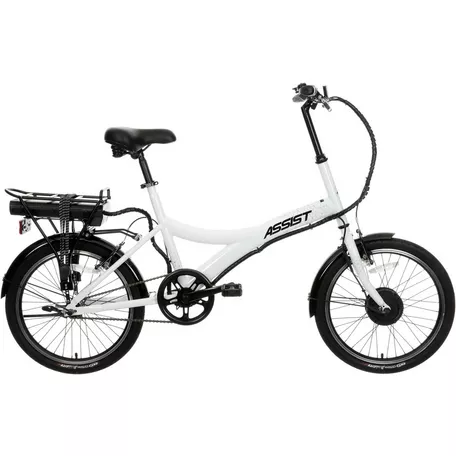
What are Assisted Pedal Bicycles?
Assisted pedal bicycles are a game-changer for cyclists of all levels. By incorporating a battery and motor that provide electric traction, these bikes make it easier to ride uphill without breaking a sweat. But what exactly sets them apart from traditional bicycles?
Electric Traction: The Game-Changer
Electric traction is the key feature that distinguishes assisted pedal bicycles from their conventional counterparts. This technology allows riders to harness the power of electricity to propel themselves forward, making it possible for anyone to ride without being limited by physical fitness.
A New Era in Cycling
Innovation has been steadily improving assisted pedal bicycles, pushing performance levels to new heights. With the widespread adoption of lithium-ion batteries, these bikes can now offer superior range and electric traction exceeding 80 kilometers. This means that riders can enjoy longer commutes, explore new trails, or simply ride with more ease.
Regenerative Braking: A Safety Feature
Many modern e-bikes come equipped with regenerative braking systems, which not only improve performance but also provide an added layer of safety. By capturing some of the kinetic energy and converting it back into electrical energy, these systems help reduce wear on the brakes and prevent overheating.
The Rise of E-Bikes
While assisted pedal bicycles have been around for a while, they’ve recently gained significant attention from car manufacturers. Companies like Mercedes and BMW have developed their own prototypes or proposed models, highlighting the potential of e-bikes in the market.
A Look at Some Popular Models
In Italy, local companies are offering various models of assisted bicycles, such as eBike LEOS, which has also gained popularity in the US. Velorapida is another Italian-made line that stands out with its 250-watt motor and 60-kilometer battery range.
Velorapida: A Stylish Option
Velorapida’s design is a standout feature of this brand. At first glance, it’s almost impossible to distinguish a Velorapida-assisted bicycle from a conventional bike! The battery and electric motor are present but not visible, giving the bike a sleek and understated appearance.
Designing for Comfort
Designers and e-bike manufacturers are pushing the boundaries of innovation with increasingly stylish models. In China, assisted bicycles have become so popular that they’ve even replaced traditional bicycles, scooters, and in some cases, cars!
Breaking Down Barriers
So why haven’t more people adopted assisted pedal bicycles yet? The main obstacle is price. While early-generation e-bikes can be affordable, those with better performance, autonomy, and recharging times are still out of reach for many.
Affordable Options
However, there’s hope on the horizon! First-generation assisted bicycles can now be purchased within a budget of 200 euros, making them more accessible to a wider audience.
Market Trends and Future Developments
The e-bike market is expected to continue growing in the coming years, with manufacturers investing heavily in research and development. Some predicted trends include:
- Increased adoption by mainstream consumers
- Growing demand for high-performance e-bikes
- Expanded use of e-bikes in industries such as agriculture and construction
Environmental Impact
E-bikes are a more sustainable option than traditional vehicles, producing zero emissions and reducing our reliance on fossil fuels. However, the environmental impact of e-bike production and disposal should not be overlooked.
Conclusion**
Assisted pedal bicycles offer an exciting opportunity for cyclists of all levels. With their electric traction and regenerative braking systems, these bikes are perfect for anyone looking to ride with ease and efficiency. While prices may still be a barrier for some, the future looks bright for this innovative technology.
Frequently Asked Questions (FAQs)
Q: What is the difference between an assisted pedal bicycle and a traditional bicycle?
A: Assisted pedal bicycles have a battery and motor that provide electric traction, making it easier to ride uphill without breaking a sweat.
Q: How far can assisted pedal bicycles travel on a single charge?
A: The range of assisted pedal bicycles varies depending on the model, but many can offer up to 80 kilometers or more on a single charge.
Q: Are assisted pedal bicycles safe to ride?
A: Yes, many modern e-bikes come equipped with regenerative braking systems and other safety features that make them a reliable mode of transportation.
Q: Can anyone afford an assisted pedal bicycle?
A: While prices may still be a barrier for some, first-generation assisted bicycles can now be purchased within a budget of 200 euros, making them more accessible to a wider audience.
Q: Are assisted pedal bicycles suitable for long distances or heavy loads?
A: Yes, many modern e-bikes are designed for long-distance travel and can handle heavy loads with ease.
Q: Can I customize my assisted pedal bicycle to suit my needs?
A: Yes, many manufacturers offer customization options, allowing you to tailor your bike to fit your specific needs and preferences.
Q: Are assisted pedal bicycles environmentally friendly?
A: Assisted pedal bicycles are a more sustainable option than traditional vehicles, producing zero emissions and reducing our reliance on fossil fuels.
Q: Can I use an assisted pedal bicycle for commuting or work purposes?
A: Yes, many e-bikes are designed specifically for commuting and work purposes, offering a convenient and efficient mode of transportation.
Q: Are assisted pedal bicycles suitable for riders with disabilities?
A: Yes, assisted pedal bicycles can be adapted to meet the needs of riders with disabilities, providing an accessible and inclusive mode of transportation.


