
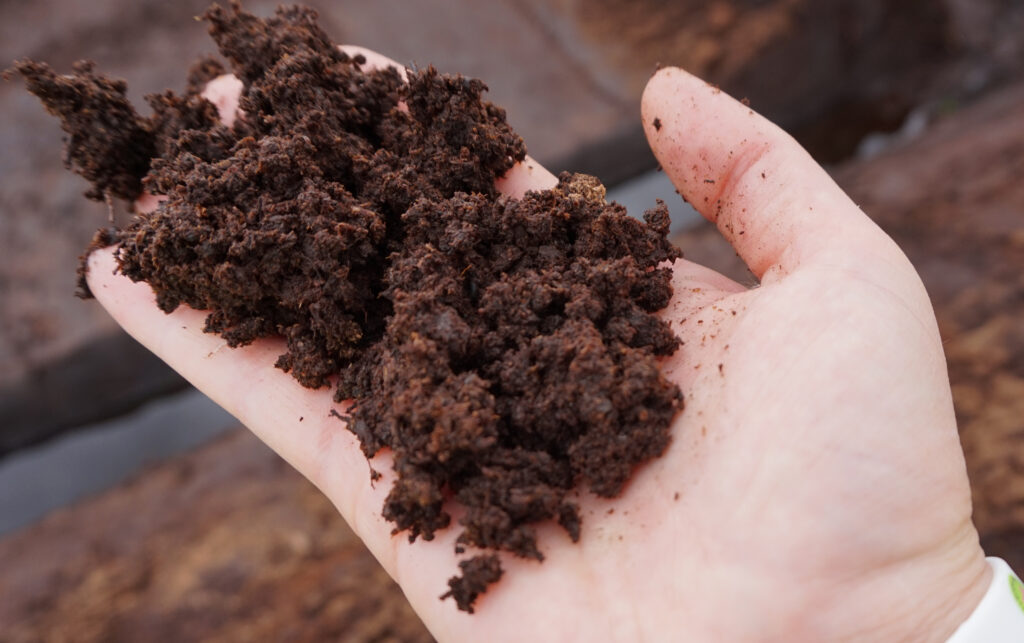
As a gardener, you’re likely familiar with the importance of fertilizing your soil to promote healthy plant growth. But have you ever wondered what torba, compost, and leonardite are, and how they can benefit your garden? In this article, we’ll delve into the world of organic fertilizers and explore the differences between these three popular options.
What is Torba?
Torba is a type of peat moss that’s rich in humic acids and has a pH level that’s lower than regular soil. It’s often used to acidify the soil, making it suitable for plants like rhododendrons, azaleas, and kalmias. Torba is also used to improve drainage and aeration in the soil.
Here are some key benefits of using torba:
- Improves soil structure and fertility
- Acidifies the soil, promoting healthy growth in acid-loving plants
- Enhances drainage and aeration in the soil
However, torba can be quite acidic, so it’s essential to mix it with other materials to avoid over-acidifying the soil.
What is Compost?
Compost is a nutrient-rich soil amendment that’s made from decomposed organic matter like food scraps, leaves, and grass clippings. It’s a great way to improve soil fertility and structure, while also reducing waste.
Here are some key benefits of using compost:
- Improves soil fertility and structure
- Supports healthy microbial activity in the soil
- Reduces waste by recycling organic materials
However, compost can be quite dense, so it’s essential to mix it with other materials to achieve the right consistency.
What is Leonardite?
Leonardite is a relatively new fertilizer that’s gained popularity in recent years. It’s made from lignite, a type of coal, and has been shown to improve soil fertility and plant growth.
Here are some key benefits of using leonardite:
- Improves soil fertility and structure
- Enhances nutrient availability for plants
- Supports healthy microbial activity in the soil
However, leonardite can be quite expensive, so it’s essential to weigh its benefits against the cost.
The Key Differences Between Torba, Compost, and Leonardite
While all three fertilizers have their benefits, they differ significantly in terms of pH level, nutrient content, and application methods. Here are some key differences:
| Fertilizer | pH Level | Nutrient Content | Application Method |
|---|---|---|---|
| Torba | Low | Humic acids, minerals | Mix with other materials to acidify the soil |
| Compost | Neutral | Nutrients, microorganisms | Mix into the soil or use as a mulch |
| Leonardite | High | Nutrient-rich, humic acids | Apply directly to the soil or mix with other fertilizers |
Choosing the Right Fertilizer for Your Garden
With so many options available, choosing the right fertilizer can be overwhelming. Here are some tips to help you make an informed decision:
- Consider your garden’s pH level and nutrient needs
- Think about the type of plants you’re growing and their specific requirements
- Evaluate the costs and benefits of each fertilizer option
By considering these factors, you’ll be well on your way to creating a thriving and healthy garden.
Frequently Asked Questions
Here are some answers to common questions about torba, compost, and leonardite:
Q: What’s the best way to mix torba with other materials?
A: Mix torba with perlite or vermiculite to improve drainage and aeration in the soil.
Q: Can I use compost as a mulch?
A: Yes, compost can be used as a mulch to retain moisture, suppress weeds, and regulate soil temperature.
Q: How do I store leonardite?
A: Store leonardite in a dry place, away from direct sunlight and heat sources.
Q: Can I use torba for acid-loving plants only?
A: While torba is great for acid-loving plants, it can also be used for other types of plants with the right mixing ratios.
Conclusion
Torba, compost, and leonardite are three popular fertilizers that offer unique benefits for your garden. By understanding their differences and using them correctly, you’ll be well on your way to creating a thriving and healthy garden. Happy gardening!
In addition to choosing the right fertilizer, there are several other factors to consider when it comes to fertilizing your soil. These include:
- pH testing: Regularly testing your soil’s pH level can help ensure that it’s within the optimal range for plant growth.
- Nutrient balancing: Ensuring that your soil has a balanced mix of nutrients is essential for healthy plant growth. This includes nitrogen, phosphorus, and potassium (NPK).
- Microbial activity: Maintaining a healthy balance of microorganisms in your soil can help support plant growth and overall ecosystem health.
By considering these factors, you’ll be able to create a thriving and sustainable garden that’s rich in life and nutrients.


