
As we navigate the complexities of modern life, it’s easy to overlook the humble legumes that have been a staple in human diets for centuries. One such unsung hero is the pisum sativum, also known as the garden pea or simply, peas. But beyond its sweet flavor and versatility in cooking, this tiny legume holds numerous health benefits and nutritional value that make it an excellent addition to any meal.
A Brief History of Pisum Sativum
Pisum sativum has been cultivated for over 7,000 years, with roots tracing back to ancient civilizations in Asia. Although its exact origin is unclear, its widespread adoption across the globe is a testament to its adaptability and nutritional prowess. Today, peas are grown commercially in many countries, including Asia, Europe, and North America.
Characteristics of Pisum Sativum
Pisum sativum is an annual legume belonging to the Leguminosae family. It’s a low-growing plant with a single stem that can reach up to 3 meters in ideal conditions. The plants produce small, white or purple flowers followed by pods containing numerous seeds, also known as peas.
Types of Pisum Sativum
There are several varieties of peas, including:
- Garden peas (Pisum sativum)
- Snow peas
- Sugar snap peas
- Split peas
Each variety has its unique characteristics, such as pod color, shape, and size.
Nutritional Benefits of Pisum Sativum
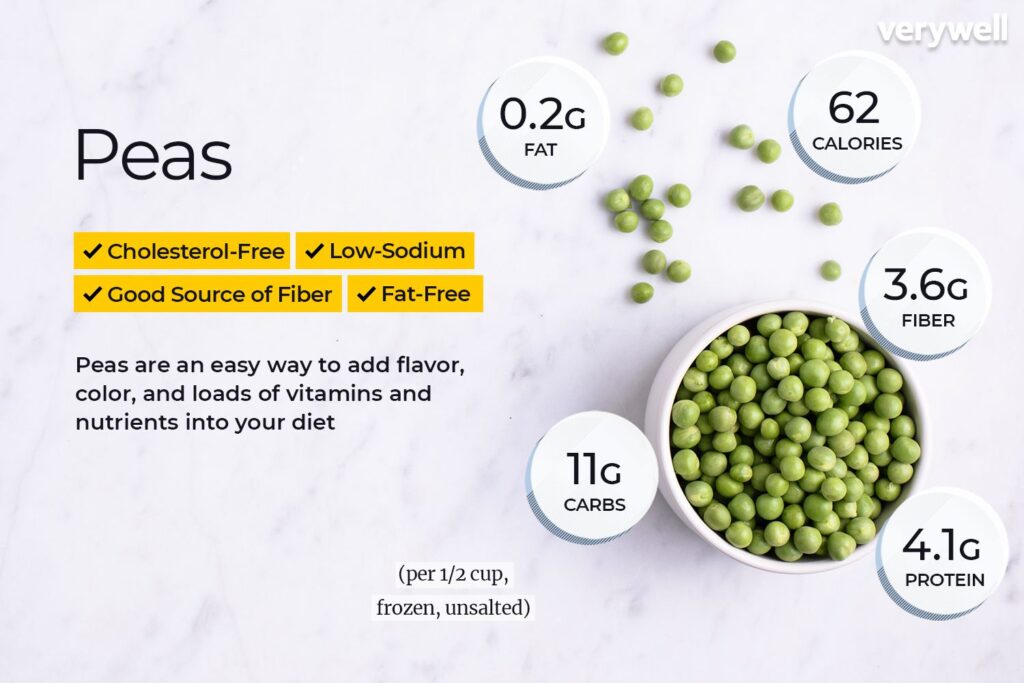
Pisum sativum is an excellent source of protein, fiber, and various essential nutrients. Here are some key nutritional highlights:
- Protein: 5.5 grams per 100 grams
- Fiber: 6.3 grams per 100 grams
- Vitamin C: High content
- Potassium: 195 milligrams per 100 grams
- Magnesium: 110 milligrams per 100 grams
Health Benefits of Pisum Sativum
The nutritional profile of pisum sativum offers numerous health benefits, including:
- Cardiovascular Health: The fiber and potassium in peas help lower cholesterol levels and blood pressure.
- Digestive Health: Peas are rich in prebiotic fiber, which feeds good bacteria in the gut, promoting a healthy digestive system.
- Cancer Prevention: The antioxidants and phytochemicals in peas have been shown to have anti-cancer properties.
- Bone Health: Peas contain minerals like calcium and magnesium, essential for maintaining strong bones.
Culinary Uses of Pisum Sativum
Pisum sativum is an incredibly versatile ingredient, suitable for various culinary applications:
- Steaming or Boiling: Simply steam or boil peas to enjoy them as a side dish.
- Stir-Fries and Sauces: Add peas to your favorite stir-fry recipes or use them in sauces like pesto or hummus.
- Soups and Stews: Incorporate peas into soups and stews for added protein and fiber.
- Salads and Snacks: Mix cooked peas with other ingredients, such as herbs, spices, and nuts, to create healthy snacks.
Tips for Growing Pisum Sativum
If you’re interested in growing your own pisum sativum, here are some tips:
- Choose the Right Variety: Select a variety that suits your climate and desired pod size.
- Provide Adequate Light: Ensure peas receive at least 6 hours of direct sunlight per day.
- Maintain Soil Quality: Peas prefer well-draining, fertile soil with a pH between 6.0 and 7.0.
- Water Regularly: Keep the soil consistently moist during the first few weeks after planting.
Precautions and Allergies
While pisum sativum is generally considered safe to consume, there are some precautions and allergies to be aware of:
- Allergic Reactions: Some individuals may experience allergic reactions to peas, such as hives or digestive issues.
- Cross-Contamination: Peas can be contaminated with pesticides or other harmful substances during harvesting or processing; choose organic options whenever possible.
Conclusion
In conclusion, pisum sativum is a remarkable legume offering numerous health benefits, nutritional value, and culinary versatility. Whether you’re a seasoned gardener or an enthusiastic home cook, peas are definitely worth exploring. So next time you see these tiny gems on your grocery list or in the farmer’s market, remember to give them a try!
Frequently Asked Questions (FAQs)
- Are Pisum Sativum Good for You?
- Yes, pisum sativum is an excellent source of protein, fiber, and various essential nutrients.
- Can I Grow My Own Pisum Sativum?
- Yes, you can grow your own pisum sativum with proper care and attention to its needs.
- How Do I Prepare Pisum Sativum?
- Peas are simple to prepare – steam or boil them, add herbs and spices for flavor, and enjoy as a side dish or main course.
- Are There Any Allergies Associated with Pisum Sativum?
- While rare, some individuals may experience allergic reactions to peas, such as hives or digestive issues.
By incorporating pisum sativum into your diet and exploring its various uses, you’ll be taking a step towards a healthier, more balanced lifestyle.


