
As a parent or individual living with peanut allergy, it’s essential to understand the symptoms, diagnosis, treatment, and prevention strategies to ensure your safety. In this comprehensive guide, we’ll delve into the world of peanut allergies, exploring what they are, how they affect the body, and what you can do to manage them.
What is Peanut Allergy?
A peanut allergy is a type of food allergy that can have severe consequences on the body. It occurs when the immune system mistakenly identifies peanuts as harmful, triggering an allergic reaction. This reaction can be life-threatening if not treated promptly.
Peanut allergies are typically caused by an overreaction of the immune system to one or more proteins found in peanuts. These proteins, known as Ara h 1 and Ara h 2, are present in the peanut kernel and can cause an allergic response in individuals with a peanut allergy.
Symptoms of Peanut Allergy
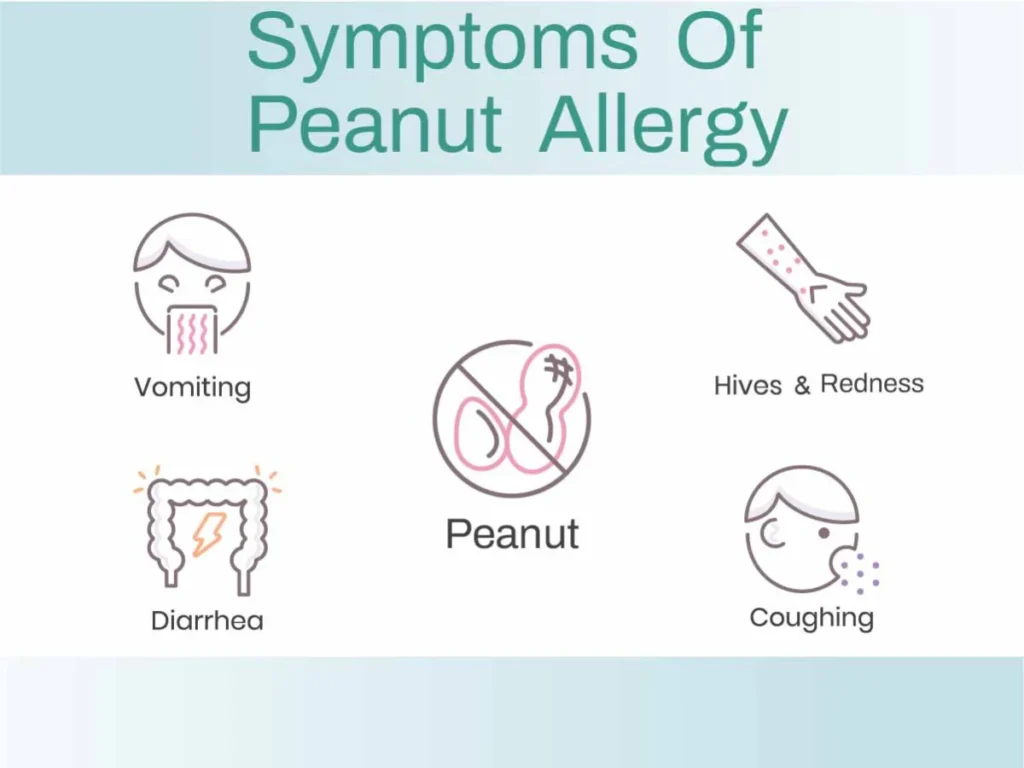
The symptoms of a peanut allergy can vary in severity and may include:
- Swelling of the face, lips, tongue, or throat
- Hives or itchy skin
- Stomach cramps
- Diarrhea
- Vomiting
- Shortness of breath or difficulty breathing
- Abdominal pain
- Nausea and vomiting
In severe cases, anaphylaxis can occur, which is a life-threatening allergic reaction that requires immediate medical attention. Anaphylaxis can cause a range of symptoms, including:
- Constriction of the airways, leading to difficulty breathing
- Rapid heartbeat
- Dizziness or fainting
- Confusion or loss of consciousness
Diagnosing Peanut Allergy
Diagnosing a peanut allergy can be challenging, as the symptoms may vary from person to person. If you suspect you or your child has a peanut allergy, consult with an allergologist or healthcare professional for proper evaluation and diagnosis.
To diagnose a peanut allergy, your doctor may:
- Conduct skin tests (prick test) to measure the body’s response to peanuts
- Perform blood tests to check for peanut-specific antibodies
- Monitor symptoms and medical history
Treating Peanut Allergy
The primary treatment for peanut allergy is avoiding exposure to peanuts and peanut products. This can be challenging, especially in social situations or when eating out.
If you experience an allergic reaction, it’s crucial to act quickly:
- Administer epinephrine (adrenaline) via an auto-injector
- Call emergency services if the symptoms worsen or do not improve with treatment
Preventing Peanut Allergy
While there is no surefire way to prevent a peanut allergy, research suggests that introducing peanuts at a young age may reduce the risk of developing an allergy.
The American Academy of Pediatrics recommends:
- Introducing peanuts to infants as early as 4-6 months old
- Gradually increasing exposure to peanuts over time
- Monitoring for signs of an allergic reaction
Conclusion
Peanut allergy is a serious condition that requires careful management and prevention strategies. By understanding the symptoms, diagnosis, treatment, and prevention methods, you can take control of your peanut allergy and lead a safe and healthy life.
Frequently Asked Questions (FAQs)
- Can I outgrow my peanut allergy?
Peanut allergies are typically lifelong, but some individuals may experience a reduction in symptoms over time. - How common is peanut allergy?
Peanut allergy affects approximately 1% of the population worldwide. - What are the most common foods that trigger an allergic reaction?
Common culprits include peanuts, tree nuts, fish, shellfish, milk, eggs, wheat, and soy. - Can I still have a peanut-free diet if I have a severe allergy?
In some cases, individuals with severe peanut allergies may need to follow a strict elimination diet, which can be challenging. - How often should I carry an EpiPen or other emergency medication?
It’s recommended to carry an EpiPen or other emergency medication at all times, especially if you have a history of severe allergic reactions. - Can I get vaccinated against peanut allergy?
There is no current vaccine available for peanut allergy; however, researchers are working on developing new treatments and therapies. - How can I communicate my peanut allergy to others?
It’s essential to inform friends, family, and healthcare professionals about your peanut allergy to ensure proper care and emergency response. - Can I still enjoy social activities with friends if I have a peanut allergy?
With proper planning, precautions, and open communication, individuals with peanut allergies can participate in social activities while maintaining their safety.
Managing Peanut Allergy at Home
If you have a peanut allergy, it’s crucial to take steps to manage the condition at home. This includes:
- Reading food labels carefully to avoid exposure
- Cooking meals from scratch using fresh ingredients
- Avoiding cross-contamination with peanuts or other allergenic foods
- Keeping an emergency kit on hand, including epinephrine and other medical supplies
Managing Peanut Allergy at School
If you attend school, it’s essential to take steps to manage your peanut allergy in a safe and healthy environment. This includes:
- Informing teachers and staff about your peanut allergy
- Carrying an EpiPen or other emergency medication with you at all times
- Following the school’s food allergy policy and procedures
- Participating in emergency drills and training programs
Conclusion
Peanut allergy is a serious condition that requires careful management and prevention strategies. By understanding the symptoms, diagnosis, treatment, and prevention methods, you can take control of your peanut allergy and lead a safe and healthy life.
If you’re living with a peanut allergy, it’s essential to stay informed about the latest research, treatments, and therapies available. With proper care, attention, and planning, individuals with peanut allergies can live fulfilling lives free from fear and anxiety.


