
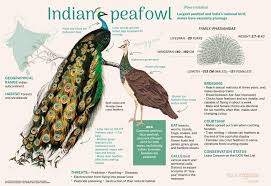
As we often see pavones for their magnificent tails, but few people know about the animal’s entire nature. There are many different breeds of this bird, and they’re not all similar to each other, even within certain cases. Some may be albino too. Let’s explore the characteristics and varieties of pavones.
What is a Pavone?
First, let’s establish that a pavone is indeed an bird. If someone doubts it, just take a closer look at its features. The pavone belongs to the Galliformes order, specifically the Pavo cristatus species, in the Phasianidae family. Its origins are Indian, with some types coming from Sri Lanka, and you can find them in their natural habitat in parts of southern Asia, but not too high up – a maximum altitude of 1800 meters is recommended.
Why is the Pavone So Popular?
The pavone’s stunning plumage is the main reason it has spread all over the world, with dedicated farms. This bird is an ornament, greatly appreciated by almost everyone in the world.
Pavone Albino: A Rare Sight
While the “classic” pavone is quite common, the albino one remains a rare sight. In fact, pavones with little white feathers are so uncommon that many gardens or zoos have turned them into attractions for kids and adults alike.
The female’s plumage usually has minimal white feathers – it’s mottled brown, gray, and cream-colored. The male’s feathers, on the other hand, are a dazzling blue, with a coda (tail) that is incredibly colorful. It seems almost painted with colors, especially its eyes, which can stretch for 1.6 meters when the bird opens its tail.
What Does a Pavone Eat?
Since pavones live primarily on land, their diet consists mainly of seeds, germs, leaves, insects, frogs, and small snakes. This unique diet allows them to survive up to 25 years, with most living solitary lives. They only interact with other birds during the breeding season, when males defend their territories.
Raising Pavones: Tips for Success
The care and upbringing of pavones mostly revolve around common breeds. These animals are not overly difficult to raise. From a young age, within 16 weeks, they adapt to their living environment better if it’s enclosed. It’s best not to keep multiple birds together, as they’re not very social creatures.
Since pavones don’t like being around other birds, make sure there are some barriers between their enclosures. Ideally, you’d want them in natural habitats such as open forests with grasslands and trees. Pavones are ground-dwellers who don’t fly well, unless absolutely necessary – they usually stay on the ground or run quickly to escape predators.
Male Pavone: The Showstopper
Male pavones are highly prized for their beautiful tails, which attract females. In fact, a particularly skilled male can entice up to six females at once. Young male pavones develop their impressive tails by the age of 3, but they may continue growing until they’re 6 years old.
Female Pavone: The Unsung Hero
Females don’t get the same attention as males, but they play a vital role in caring for young and raising them. A female pavone lays an average of three to five eggs per year, which need to be incubated for about four weeks.
Pavone Feathers: A Versatile Resource
Those beautiful feathers from pavones are highly sought after by dancers, carnival enthusiasts, and artists looking to add a unique touch to their designs. You can find them on Amazon, with 100 genuine pavone feathers available for purchase for just $30.
The Pavone’s Sound: Not as Appealing as Its Appearance
While the pavone’s appearance is stunning, its sound is anything but – it resembles that of a crow, and not in a pleasant way. However, this does not necessarily deter predators from attacking them.
Predators That Threaten Pavones
Pavones face threats from tigers, leopards, and scrawny raccoons among other animals. These predators are attracted to the pavone’s vibrant plumage, especially its tail feathers.
Why Do Pavones Make a Circle?
There are two main reasons why pavones make circles:
- During mating season, male pavones use this dance move to impress females and catch their attention with their elaborate tails.
- Another reason for making a circle is as a defense mechanism against predators – by appearing larger and more intimidating, the bird can confuse and deter its attackers.
The Pavone: A Symbol of Vanity
Pavones are often used as symbols of vanity, but they’re actually quite different from what people might expect. While pavones do show off their beautiful plumage, it’s not because they want to impress others – rather, it’s a natural part of who they are.
If you’re looking for an affectionate companion, look no further than these lovable birds – just be sure to purchase one from a reputable breeder who is known for its friendly nature. Don’t settle for an aggressive bird; instead, opt for this soft-hearted creature that makes wonderful pets.
Frequently Asked Questions
Q: What do pavones eat?
A: Pavones primarily feed on seeds, sprouts, leaves, insects, frogs, and small snakes.
Q: How long can pavones live?
A: Due to their unique diet, pavones can survive up to 25 years in the wild. In captivity, they can live longer with proper care.
Q: Can pavones be domesticated?
A: Pavones are not typically domesticated animals due to their independent nature and difficulty socializing with other birds.
Q: Why do male pavones make circles?
A: Males use this behavior as a form of courtship, to attract females. They also may exhibit it when threatened by predators in order to create confusion.
Q: What are the typical characteristics of an albino pavone?
A: Albinos have little white plumage; their feathers usually consist of shades of marron, gray, and cream for females, while males feature a dazzling blue color with an incredibly colorful coda that stretches 1.6 meters when fully extended.
Q: How often do female pavones lay eggs?
A: Females typically give birth to three to five eggs per year.
Q: Why are pavones considered ornaments?
A: Pavones have stunning plumage, making them highly sought after for various occasions like carnivals and wedding decorations.


