
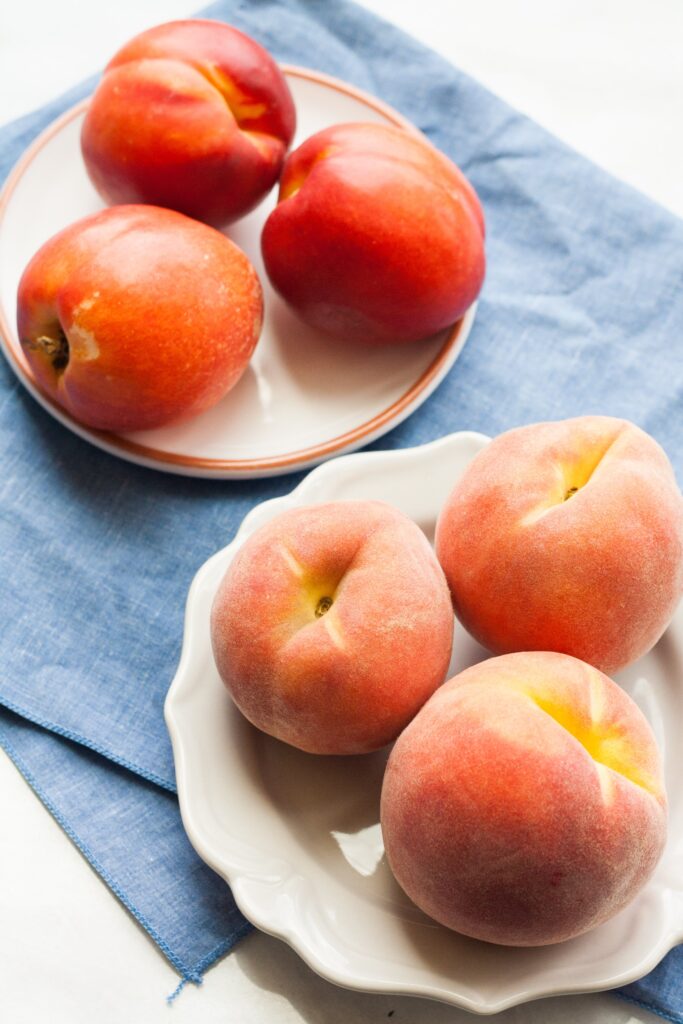
What are Nectarines?
Nectarines, also known as peach trees or peach kernels, are a type of stone fruit that belongs to the Prunus persica species. Despite being commercially known as peaches, they are actually a different variety of this tree. The two most popular names for nectarines are peach and nut.
Origin and History of Nectarines
Nectarines are believed to have originated from genetic mutations in the common peach tree, Prunus persica. While Wikipedia doesn’t mention it, at the taxonomic level, the mutation that gives rise to nectarines is known as Prunus persica var. nucipersica or Prunus persica var. nectarina.
The Most Common Varieties of Nectarines
There are three main varieties of nectarines:
- Precoce Armking: This variety has medium-sized fruits with an elongated shape and a yellow-green skin that turns red in maturity.
- Spring Bright: These fruits have a medium to large size, spherical shape, and a reddish-yellow color with golden undertones.
- Sweet Red: The Sweet Red variety matures in the second half of August and has an oval shape.
Growing Nectarines: Tips and Tricks
To ensure that your nectarine tree doesn’t drop its fruits prematurely, it’s essential to perform regular pruning and thinning. Remove weak and damaged branches to allow for proper air circulation and growth. Prune your nectarine tree in the winter season before new growth begins.
How to Grow Nectarines: A Step-by-Step Guide
If you’re looking to grow a single nectarine tree, choose an auto-pollinating variety. In small gardens, it’s always best to plant multiple varieties to create cross-pollination. Prune your nectarine tree in the winter season before new growth begins.
When pruning your nectarine tree, focus on removing any weak or damaged branches that may be blocking sunlight and air circulation. Cut back overgrown branches to maintain a balanced shape. Remove any suckers (shoots growing from the base of the tree) and water sprouts (shoots growing from last year’s buds).
Choosing the Right Soil for Your Nectarine Tree
Nectarines require acidic soil with a pH level between 5.5 and 6.0 to thrive. Avoid using alkaline soils, as they can damage your nectarine tree.
Nutritional Properties of Nectarines
Nectarines are rich in essential vitamins and minerals. Here’s a breakdown of their nutritional content:
- Calories: 44 kcal per 100g
- Fat: 0.3g
- Carbohydrates: 11g
- Fiber: 1.7g
- Sugar: 8g
- Protein: 1.1g
Vitamins and Minerals
Nectarines are a good source of various vitamins and minerals, including:
- Vitamin A: 332 IU per 100g
- Vitamin C: 5.4mg per 100g
- Calcium: 6mg per 100g
- Iron: 0.3mg per 100g
- Vitamin E: 0.73mg per 100g
- Magnesium: 9mg per 100g
- Manganese: 0.061mg per 100g
- Zinc: 0.17mg per 100g
- Phosphorus: 20mg per 100g
Allergies to Peaches and Nectarines
Peach allergies are related to the presence of specific proteins in peaches, making them a potential allergen. If you’re allergic to peaches, it’s recommended to avoid consuming nectarines or other peach-related products.
Conclusion
Nectarines are a delicious and nutritious stone fruit that can be enjoyed by people of all ages. Whether you’re looking to grow your own nectarine tree or simply want to learn more about this popular fruit, this guide has provided you with everything you need to know.
Frequently Asked Questions (FAQs)
- What is the difference between peaches and nectarines?
Nectarines are a type of peach that belongs to the Prunus persica species. They have a smooth skin and a sweeter flavor than peaches. - How do I care for my nectarine tree?
Regular pruning, thinning, and fertilization can help ensure your nectarine tree grows healthily and produces delicious fruits. - What is the best way to store nectarines?
Nectarines should be stored in a cool, dry place to maintain their freshness and flavor. - Can I grow nectarines in containers?
Yes, you can grow nectarines in containers, but make sure to provide them with enough space and proper care. - Are nectarines a good source of vitamins and minerals?
Yes, nectarines are rich in essential vitamins and minerals like vitamin A, C, and potassium. - Can I be allergic to nectarines if I’m allergic to peaches?
While the allergenic proteins in nectarines are different from those found in peaches, it’s still possible for people with peach allergies to experience an adverse reaction to nectarines. - How do I choose the best variety of nectarine tree for my needs?
Choose a variety that is suitable for your climate and growing conditions. Consider factors like fruit size, flavor, and disease resistance when making your selection. - Can I grow multiple varieties of nectarine trees in one garden?
Yes, you can grow multiple varieties of nectarine trees in one garden to create cross-pollination and improve fruit production.
Additional Tips for Growing Nectarines
- Plant nectarine trees near a sunny location with well-drained soil.
- Mulch around the base of your nectarine tree to retain moisture and suppress weeds.
- Water your nectarine tree regularly, but avoid overwatering, which can lead to root rot.
- Fertilize your nectarine tree annually with a balanced fertilizer to promote healthy growth and fruit production.
Common Problems Associated with Nectarines
Some common problems associated with nectarines include:
- Pests: Aphids, whiteflies, and spider mites are common pests that can infest nectarine trees.
- Diseases: Brown rot, black knot, and powdery mildew are some of the most common diseases that can affect nectarine trees.
- Nutrient deficiencies: Nectarines require a balanced diet to produce healthy fruits. Nutrient deficiencies like iron and magnesium deficiency can lead to stunted growth and poor fruit production.
Growing Nectarines: Tips for Small Gardens
If you’re growing nectarines in a small garden, here are some tips to keep in mind:
- Space trees wisely: Plant multiple varieties of nectarine trees 10-15 feet apart to create cross-pollination.
- Prune trees regularly: Prune your nectarine tree annually to maintain its shape and promote healthy growth.
- Use container-friendly plants: Choose container-friendly varieties like the Sweet Red or Precoce Armking to grow in containers.
Growing Nectarines: Tips for Large Gardens
If you’re growing nectarines in a large garden, here are some tips to keep in mind:
- Choose disease-resistant trees: Select tree varieties that are resistant to common diseases like brown rot and black knot.
- Plant multiple varieties: Plant multiple varieties of nectarine trees to create cross-pollination and improve fruit production.
- Use irrigation systems: Use efficient irrigation systems to water your nectarine trees, especially during hot summer months.
Harvesting Nectarines
Nectarines are typically harvested in late spring or early summer, when they’re fully ripe. Here’s how to harvest nectarines:
- Check for ripeness: Check the skin of the nectarine for a yellow or red color and a slight give to the touch.
- Gently twist the fruit: Gently twist the fruit off the tree to avoid damaging the stem.
- Handle with care: Handle the nectarines gently to avoid bruising the skin.
Conclusion
Growing nectarines can be a rewarding experience, especially when done correctly. By following these tips and guidelines, you’ll be well on your way to growing delicious and nutritious nectarines in your garden.


