
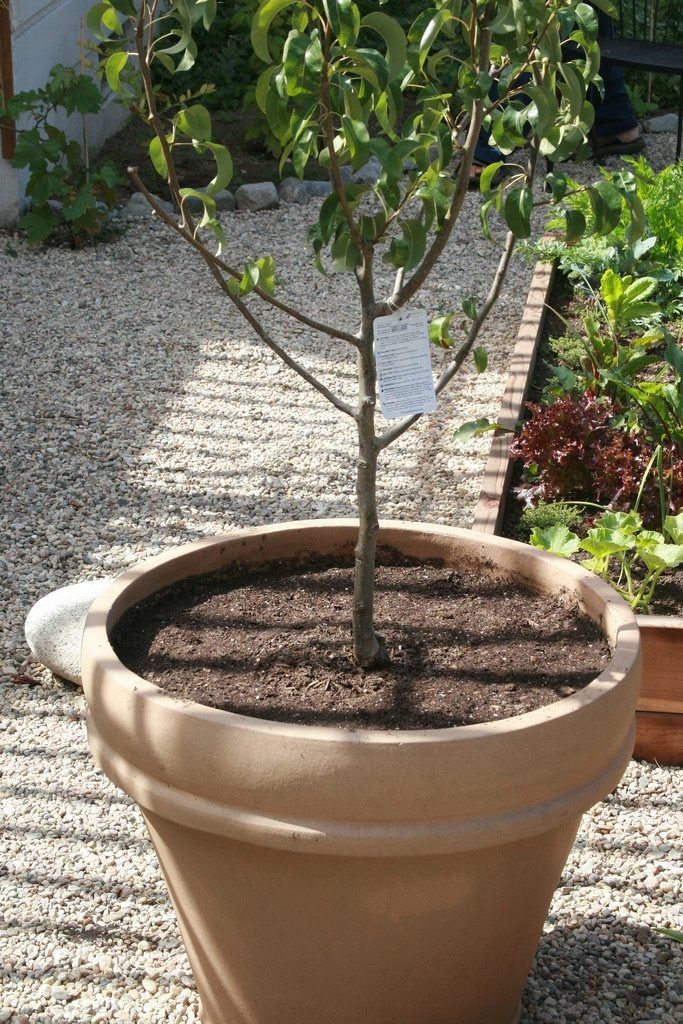
As a fruit lover, you might have considered growing your own peaches, but did you know that it’s possible to cultivate them in pots? With the right techniques and varieties, you can enjoy juicy and sweet peaches from the comfort of your home. In this article, we’ll delve into the world of peach cultivation, exploring its benefits, nutritional value, and the best practices for growing peaches in pots.
The Nutritional Value of Peaches
Before we dive into the nitty-gritty of peach cultivation, let’s take a look at the nutritional value of these delicious fruits. According to the United States Department of Agriculture (USDA), 100 grams of peaches contain:
- Calories: 39 kcal
- Carbohydrates: 9.5g
- Protein: 0.91g
- Fat: 0.25g
- Fiber: 1.5g
- Sugar: 8.5g
- Water content: 88.9%
Peaches are also an excellent source of beta-carotene, which is converted to vitamin A in the body.
Why Peaches Need Cold Temperatures
Peach trees require a certain amount of cold temperatures to produce fruit abundantly. In fact, the ideal temperature for peach production is between 7°C and -1°C (45°F to 30°F). If your area experiences harsh winters or frequent frosts, you might need to take extra precautions to protect your peach tree.
Peach Varieties Suitable for Container Growing
When it comes to growing peaches in pots, you’ll want to choose varieties that are compact and produce smaller fruit. Some popular varieties include:
- Garden Beauty: This variety produces sweet and flavorful fruit with a yellow skin.
- Nectarella: This dwarf peach tree is known for its small size (under 100 cm) and smooth bark.
- Bonanza: This compact variety grows up to 1 meter tall and produces delicious, sweet fruit.
How to Grow Peaches in Pots
To grow peaches successfully in pots, follow these steps:
- Choose a suitable pot size: Select a container that is at least 50 cm deep and has good drainage holes.
- Select the right soil: Use a well-draining potting mix specifically designed for fruit trees.
- Obtain a one-year-old tree: Purchase a healthy, one-year-old peach tree from a reputable nursery.
- Perform a proper transplant: Plant the tree in the pot immediately after purchase and water extensively.
Additional Tips for Peach Tree Care
To ensure your peach tree thrives in its container, follow these additional tips:
- Provide adequate sunlight: Peach trees need full sun to produce fruit abundantly.
- Water regularly: Keep the soil consistently moist but not waterlogged.
- Fertilize annually: Feed your tree with a balanced fertilizer during the growing season.
Soil Requirements for Peach Trees
Peach trees require well-draining, fertile soil to grow healthy and produce fruit. Here are some key components of peach tree soil:
- pH: Peach trees prefer a slightly acidic to neutral pH (6.0-7.0).
- Organic matter: Add compost or other organic matter to improve soil structure and fertility.
- Nutrient content: Provide essential nutrients like nitrogen, phosphorus, and potassium.
Pruning Techniques for Peach Trees
Regular pruning is essential for maintaining the health and productivity of peach trees. Here are some techniques to keep in mind:
- Thin fruiting branches: Remove select branches to direct growth towards the center of the tree.
- Remove dead wood: Eliminate any dead or damaged branches to prevent disease and pest issues.
- Promote air circulation: Thin out branches to allow for good air circulation around the tree.
Pest Control Strategies
Peach trees are susceptible to various pests, including aphids, whiteflies, and spider mites. Here are some strategies to control these pests:
- Insecticidal soap: Use a mild insecticide like insecticidal soap to control soft-bodied insects.
- Horticultural oil: Apply horticultural oil to repel or kill pests on the tree’s surface.
- Encourage beneficial insects: Attract natural predators of pests, such as ladybugs or lacewings.
Common Problems and Solutions
While growing peaches in pots can be rewarding, it’s not without its challenges. Here are some common problems and solutions to consider:
- Yellowing leaves: Overwatering is a common cause of yellowing leaves. Reduce watering frequency or adjust the container size.
- Pests or diseases: Regularly inspect your tree for signs of pests or diseases, and take prompt action if necessary.
Conclusion
Growing peaches in pots is an excellent way to enjoy these delicious fruits year-round. By choosing the right variety, providing adequate sunlight and watering, and fertilizing annually, you can enjoy juicy and sweet peaches from the comfort of your home.
Frequently Asked Questions (FAQs)
- Can I grow peaches in any container?
No, peach trees require a minimum depth of 50 cm to accommodate their roots. - How often should I water my peach tree?
Water your tree regularly, but avoid overwatering, which can lead to root rot and other issues. - Can I grow peaches in areas with extreme temperatures?
While peach trees prefer cooler temperatures, some varieties are more tolerant of cold temperatures than others. Research the specific needs of your variety to ensure success. - What is the best way to fertilize my peach tree?
Use a balanced fertilizer during the growing season, following the manufacturer’s instructions for application rates and timing. - Can I propagate peaches from seed?
While it’s technically possible to grow peaches from seed, the process can be challenging and unpredictable. Consider purchasing a grafted tree or nursery-grown sapling for better results.
Growing peaches in pots is an excellent way to enjoy these delicious fruits year-round. By following the tips and best practices outlined in this article, you’ll be well on your way to growing your own succulent and flavorful peaches.


