
Introduction
Are you thinking of growing a fruit tree in your garden? If so, the peach might be an excellent choice, especially if you have limited space. With its compact size, the peach tree is perfect for small gardens or even containers. In this article, we’ll delve into the world of peaches and explore what makes them such a wonderful addition to any garden.
The Peach Tree: A Brief Overview
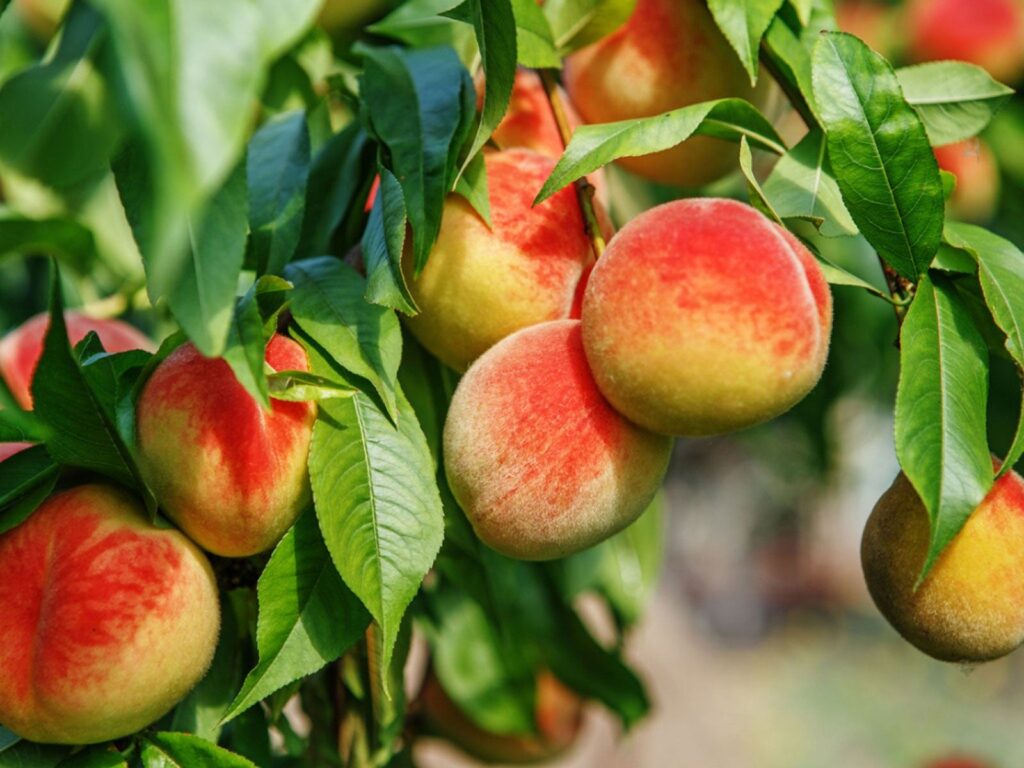
Peach trees are generally 4-5 meters tall with wide, branching limbs that turn reddish-brown in autumn. Their leaves are narrow and pointed, while their flowers are stunning, with five petals arranged in groups of three or four. The peach tree produces a succulent fruit with a rounded shape.
Types of Peach Trees
There are several varieties of peach trees, each with its unique characteristics. Some of the most common types include:
- Common Peach: This is one of the most widely grown peach varieties, characterized by its thick, fuzzy skin and sweet flavor.
- Nectarine: Also known as “peach without fuzz,” this variety has a smooth skin and a sweeter taste than common peaches.
- Peach Cotogna: Also known as “yellow peach,” this variety is often eaten while still green and has a sweet, slightly tart flavor.
Planting a Peach Tree
The best time to plant a peach tree is in the fall. This allows the tree to establish itself before winter. Peach trees thrive in mild climates and can tolerate temperatures as low as -15°C. However, they prefer warm weather during the summer months, with fruit ripening over several weeks.
Soil Requirements
Peach trees prefer well-draining soil that is rich in organic matter. Avoid planting in areas with heavy clay or rocky soil, as this can cause root problems. Choose a tree variety that is suitable for your local climate and soil type.
Irrigation and Fertilization
Regular watering is essential during the first year after planting. Aim to water every 10 days, allowing the soil to dry slightly between waterings. Once established, peach trees require less water, but still benefit from regular irrigation. In terms of fertilization, it’s best to apply a balanced fertilizer in the fall, followed by a nitrogen-rich fertilizer in the spring.
Pruning and Training
Pruning is essential for maintaining a healthy peach tree. Prune your tree annually in April, removing any dead or damaged branches. This also allows for proper air circulation, which can help prevent disease. Train your tree to grow upwards using a stake or trellis, especially if it’s not naturally branching.
Conclusion
Growing a peach tree can be a rewarding experience, providing you with delicious fruit and beautiful flowers. By following these guidelines, you’ll be well on your way to growing a thriving peach tree in your garden.
Frequently Asked Questions
- What is the best time to plant a peach tree?
Planting in the fall allows the tree to establish itself before winter. - Can I grow a peach tree in cold climates?
While peach trees can tolerate some frost, they prefer mild winters. If you live in an area with harsh winters, consider using a greenhouse or cold frame to protect your tree. - How often should I water my peach tree?
Water every 10 days during the first year after planting, then reduce frequency as the tree becomes established. - What is the best fertilizer for peach trees?
Use a balanced fertilizer in the fall and a nitrogen-rich fertilizer in the spring to promote healthy growth. - How do I prune my peach tree?
Prune your tree annually in April, removing any dead or damaged branches. Train your tree to grow upwards using a stake or trellis. - Can I grow peaches in containers?
Yes, you can grow peaches in containers. Choose a large container with good drainage and provide adequate sunlight. - How long does it take for a peach tree to produce fruit?
It typically takes 2-3 years for a peach tree to start producing fruit, although some varieties may be more productive than others. - Can I grow nectarines instead of peaches?
Yes, you can grow nectarines in the same way as peaches. Nectarines are often easier to care for and require less maintenance than peaches. - How do I protect my peach tree from pests?
Regularly inspect your tree for signs of pests or disease. Use organic methods whenever possible, such as introducing beneficial insects or using neem oil.
By following these guidelines and answering your questions, you’ll be well on your way to growing a thriving peach tree in your garden.
Additional Tips
- Mulching: Mulch around the base of your peach tree to retain moisture and suppress weeds.
- Pest control: Regularly inspect your tree for signs of pests or disease. Use organic methods whenever possible, such as introducing beneficial insects or using neem oil.
- Soil pH: Peach trees prefer a slightly acidic soil pH (around 6-7). Test your soil pH regularly and adjust if necessary.
By incorporating these additional tips into your peach tree care routine, you’ll be able to enjoy the many benefits of growing your own fruit tree.


