
Introduction
The Patterdale Terrier is a relatively new breed that originated in the early 20th century in England. The name “Patterdale” comes from a village in the Lake District, where the breed was first developed. In Italy, this type of dog is not as well-known, but we will explore its unique characteristics, needs, and requirements.
Physical Characteristics
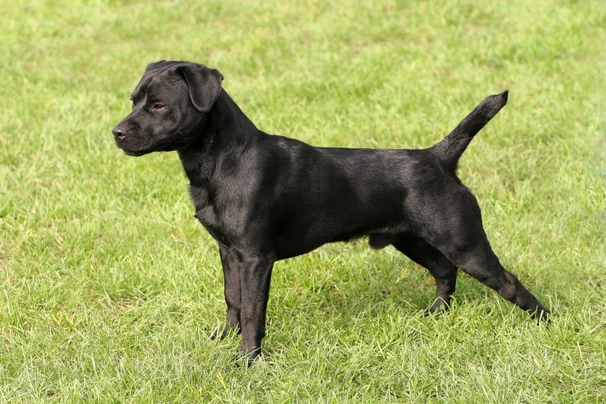
The Patterdale Terrier is a small to medium-sized dog with excellent muscle tone, making it appear lean and athletic. Its head is relatively small but robust, with triangular-shaped ears that are pendulous. The nose is typically black or reddish in color. The coat is short, rough, and water-resistant, with a mottled pattern of black and tan colors. The eyes are small but lively, matching the dog’s coat color.
The Patterdale Terrier has a reduced thoracic circumference, which made it famous in the past as a hunting breed. This unique feature allows it to enter narrow animal dens and tunnels, making it an excellent hunter.
One of the most distinctive features of the Patterdale Terrier is its coat pattern, which can vary depending on the individual dog. The mottled pattern can range from light tan with black markings to dark tan with reddish-brown markings. This unique coat pattern helps to distinguish the breed from other terriers and small breeds of dogs.
Personality Traits
The Patterdale Terrier is a classic working dog breed. It was originally used for hunting and herding livestock. As such, it has a strong and independent personality, requiring early socialization and training to manage its characteristics. The breed is known for being fiercely loyal to its owners, who need to establish clear boundaries and rules.
The Patterdale Terrier is also an energetic dog that loves to play and engage in physical activity. It is not suited for apartment living, as it requires a spacious area to exercise and explore. This makes it a better fit for active individuals or families with large yards.
Health and Diet
Fortunately, the Patterdale Terrier is generally a healthy breed, with no specific dietary restrictions. They can adapt to a wide range of foods, including commercial dog food, homemade diets, and even raw meat.
To maintain optimal health, it’s recommended to feed them a balanced and nutritious diet, divided into three meals for puppies (2-6 months old) and two meals per day for adults.
Raising a Patterdale Terrier
Unfortunately, the breed is not well-established in Italy, making it challenging to find reputable breeders. If you’re interested in purchasing a puppy, we recommend contacting English breeders directly.
Compatibility with Children and Seniors
The Patterdale Terrier is an excellent companion dog for active families with children. However, its high energy level means that it’s not suitable for apartment living or sedentary households. As for seniors, while the breed can be loving and loyal, it may require additional exercise and stimulation to keep it happy and healthy.
Price
Due to the breed’s rarity in Italy, prices vary widely depending on factors such as age, sex, and origin. Expect to pay between €300-€500 for a puppy from a reputable breeder.
Conclusion
The Patterdale Terrier is a unique and fascinating breed that requires attention, exercise, and training. While it may not be the best fit for every family or household, its loyal nature, intelligence, and high energy level make it an excellent companion dog for active individuals or families with large yards.
Frequently Asked Questions
- Q: Is the Patterdale Terrier a good breed for apartment living?
A: No, due to its high energy level, the Patterdale Terrier is not suitable for small spaces. - Q: How often should I feed my Patterdale Terrier puppy?
A: Three meals per day for puppies (2-6 months old), and two meals per day for adults. - Q: What are the most common health issues in Patterdale Terriers?
A: None specific, but regular check-ups with a veterinarian can help identify any potential issues early on. - Q: Can I leave my Patterdale Terrier alone for extended periods?
A: No, due to its high energy level and need for exercise, it’s recommended to provide regular attention and interaction. - Q: How often should I bathe my Patterdale Terrier?
A: Depending on the individual dog’s needs, but generally, a short bath every 2-3 months is sufficient. - Q: Can Patterdale Terriers be trained using positive reinforcement methods?
A: Yes, this breed responds well to positive reinforcement training and early socialization. - Q: What are some common behavioral issues in Patterdale Terriers?
A: Separation anxiety, destructive behavior, and excessive barking can occur if not addressed through proper training and socialization. - Q: How long does a Patterdale Terrier typically live?
A: 12-15 years on average, with proper care and attention.
Additional Tips for Owning a Patterdale Terrier
- Provide regular exercise and mental stimulation to keep your Patterdale Terrier happy and healthy.
- Establish clear boundaries and rules to manage its independent personality.
- Train your Patterdale Terrier using positive reinforcement methods, such as clicker training or reward-based training.
- Socialize your Patterdale Terrier extensively, especially during the critical puppy socialization period (8-11 weeks old).
- Provide regular grooming sessions to keep your Patterdale Terrier’s coat in good condition.
By understanding the unique characteristics, needs, and requirements of the Patterdale Terrier, you can make an informed decision about whether this breed is right for your family.


