
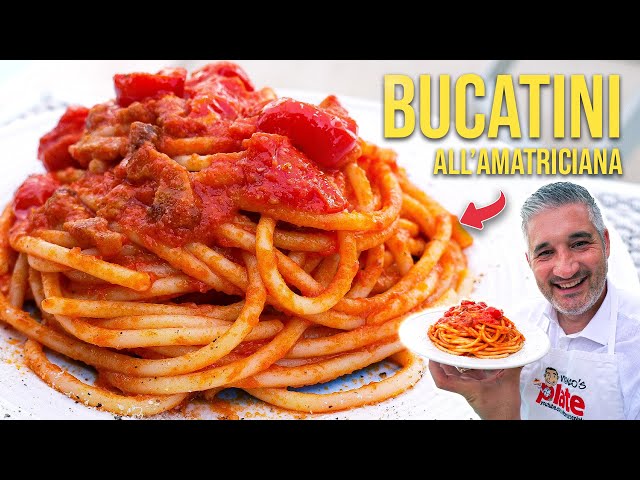
Pasta all’Amatriciana is one of Italy’s most beloved dishes, and for good reason. This classic Roman recipe has been delighting palates for centuries with its rich flavors and hearty texture. In this article, we’ll delve into the origins of pasta all’Amatriciana, explore its history, and share an authentic recipe that showcases the best of Lazio’s cuisine.
Origins of Pasta all’Amatriciana
The name “Pasta all’Amatriciana” originates from Amatrice, a charming town in Rieti province. The dish is believed to have evolved from a similar recipe called “Gricia,” which was once a staple of Roman cuisine. While Gricia did not use tomato sauce, the addition of this ingredient transformed it into pasta all’Amatriciana.
The Historical Context
Pasta all’Amatriciana has its roots in the 19th century, when food vendors in Rome would sell cooked pasta to hungry workers and travelers. One such vendor, a woman named Amatricia, is said to have created this recipe as a way to use up leftover guanciale (cured pork jowl) and pecorino cheese.
The Original Recipe
So, what makes up the original pasta all’Amatriciana recipe? According to the Comune of Amatrice, the official discipline lists both the white version (pasta alla gricia) and the more popular tomato-based recipe. Our focus is on the latter, which features guanciale (cured pork jowl), pecorino cheese, and tomatoes.
Here’s what you’ll need for 4 servings:
- 500 grams of spaghetti
- 125 grams of guanciale from Amatrice
- 1 tablespoon of extra virgin olive oil
- A splash of dry white wine
- 7 San Marzano tomatoes or 400 g of canned tomatoes
- Pecorino cheese, a piece
- Pepper, spicy to taste
- 100 g of pecorino di Amatrice grated
- Salt as needed
Preparation
To prepare pasta all’Amatriciana like a true Italian nonna, follow these steps:
- Sauté the guanciale and aromatics: Cut the guanciale into pieces and sauté them in a large pan with some olive oil until crispy.
- Add wine and let it simmer: Pour in the dry white wine and reduce it to a glaze. Remove the guanciale and set it aside to keep warm.
- Cook the tomatoes: Cut the tomatoes into thin strips and season with salt. You can also boil them or use canned tomatoes as a substitute.
- Add pecorino and mix: Remove the pecorino piece from the pan and add it back in once more, mixing everything together.
- Cook the pasta: Bring a large pot of salted water to a boil and cook the spaghetti until al dente. Reserve some pasta water before draining.
- Combine the sauce and pasta: Add the tomato mixture to the cooked pasta and toss everything together, adding some reserved pasta water if needed.
Pasta all’Amatriciana in White: Pasta alla Gricia
For a variation on the classic recipe, try making pasta alla gricia, the white version of pasta all’Amatriciana. This dish is similar to the original but omits the tomato sauce. Many cooks prefer to substitute the pepperoncino with freshly ground black pepper for added depth.
Nutritional Information
One serving of pasta all’Amatriciana (80 grams of spaghetti) contains approximately 650 calories, primarily due to the high-fat content of guanciale. However, the quality of this cured meat can significantly impact the caloric count. Choose leaner guanciale for a healthier option.
Pasta all’Amatriciana During Pregnancy
While some may question the use of guanciale during pregnancy due to its potential risk of toxoplasmosis, cooking it thoroughly reduces this risk. If you’re pregnant and concerned about using pasta all’Amatriciana, consult with a gynecologist or an expert nutritionist for personalized advice.
Tips for Cooking Pasta All’Amatriciana
- Use high-quality ingredients: Guanciale, pecorino cheese, and San Marzano tomatoes are essential to the dish’s authentic flavor.
- Cook pasta al dente: Undercooked pasta can lead to a mushy texture in the finished dish.
- Don’t overcook the sauce: Reduce the cooking time for the tomato mixture to preserve its bright color and acidity.
Pasta all’Amatriciana Variations
While the classic recipe is timeless, there are many variations you can try to give it your own twist:
- Spicy pasta: Add some red pepper flakes or diced jalapeños to the sauce for an extra kick.
- Seafood pasta: Mix in some cooked shrimp or mussels with the tomato mixture for a seafood-inspired variation.
- Veggie-packed pasta: Add some sautéed spinach, bell peppers, and mushrooms to the sauce for added nutrients.
Conclusion
Pasta all’Amatriciana is more than just a delicious Italian dish; it’s a testament to the region’s rich culinary heritage. With its rich flavors, hearty texture, and authentic recipe, this classic Roman pasta is sure to become a favorite in your household. So go ahead, give it a try, and experience the authentic taste of Lazio.
FAQs
- What is the origin of guanciale?
Guanciale originates from Italy, specifically from the regions of Lazio and Emilia-Romagna. - Can I substitute guanciale with other cured meats?
While guanciale has a distinct flavor, you can experiment with other cured meats like pancetta or prosciutto for added depth. - What type of cheese is best to use in pasta all’Amatriciana?
Pecorino cheese is traditional and recommended, but feel free to experiment with other cheeses like Parmesan or Pecorino Romano. - Can I make pasta all’Amatriciana without tomatoes?
While the original recipe features tomatoes, you can adapt it to your taste by omitting this ingredient or substituting with another sauce. - Is guanciale safe for those with food allergies?
Guanciale is typically made from pork and may not be suitable for those with pork allergies.
Pasta all’Amatriciana in Popular Culture
- Pasta all’Amatriciana has been featured on various TV shows, including “MasterChef” and “The Great British Baking Show.”
- The dish has also been referenced in literature, such as in Umberto Eco’s novel “The Name of the Rose.”
Conclusion
Pasta all’Amatriciana is a true Italian classic that continues to captivate palates around the world. With its rich flavors, hearty texture, and authentic recipe, it’s no wonder this dish remains a favorite among pasta enthusiasts. Whether you’re a seasoned chef or a beginner in the kitchen, give pasta all’Amatriciana a try and experience the authentic taste of Lazio for yourself.


