
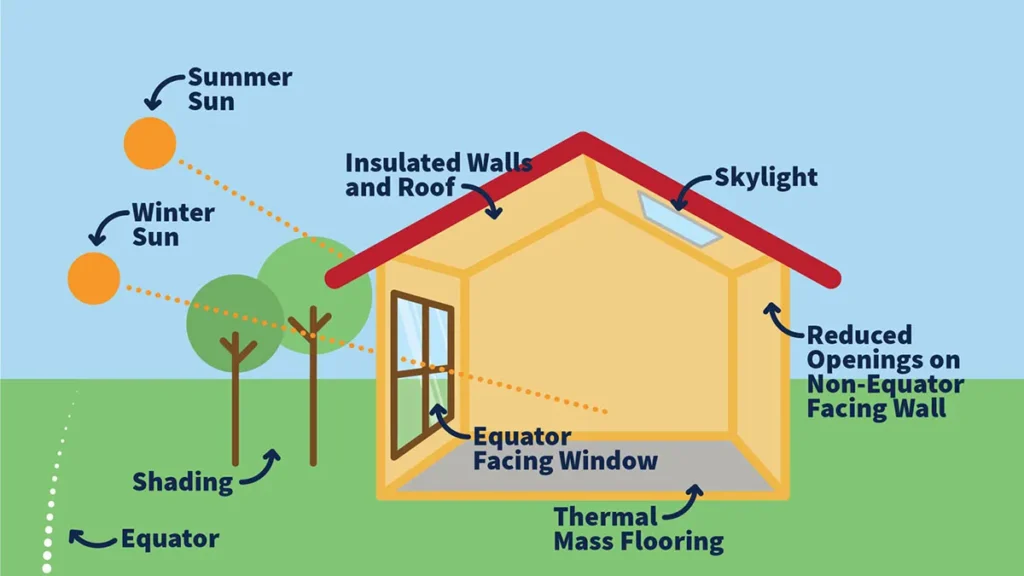
As we continue to navigate the complexities of renewable energy, it’s essential to explore alternative methods for harnessing solar power. While photovoltaic panels have revolutionized the way we generate electricity, there are other innovative approaches that can provide a more efficient and cost-effective solution. In this article, we’ll delve into the world of passive solar energy, exploring its potential benefits, applications, and how it can transform your home.
What is Passive Solar Energy?
Passive solar energy refers to the use of natural light and heat to power buildings without the need for mechanical systems or fuels. This approach leverages the sun’s rays to warm or cool homes, reducing the load on conventional heating and cooling systems. By strategically designing and orienting your home, you can harness the sun’s energy to create a comfortable and sustainable living space.
Understanding Passive Solar Design
Passive solar design is an integral part of creating a passive solar energy system. This involves understanding how different architectural elements interact with natural light and heat. Some key considerations include:
- Orientation: The direction your home faces plays a significant role in determining its ability to harness solar energy.
- Insulation: Proper insulation can help regulate the temperature inside your home, reducing heat gain during summer months and heat loss during winter months.
- Thermal Mass: Building materials with high thermal mass, such as concrete or brick, can absorb heat from the sun and release it at night, providing a natural cooling effect.
Using Solar Energy for Passive Heating
One of the most significant benefits of passive solar energy is its potential for heating. By utilizing windows, walls, and floors that absorb and store heat from the sun, you can warm your home naturally. This approach requires careful planning and design, but the results can be substantial.
- Solar Windows: Strategically placed windows that face south can absorb sunlight during the day, warming the interior of your home.
- Thermal Mass: Building materials like concrete, brick, or stone can absorb heat from the sun and release it at night, reducing the need for artificial heating.
- Radiant Floor Heating: Installing radiant floor heating systems can distribute warmth throughout your home, eliminating cold spots.
Using Solar Energy for Passive Cooling
On the opposite end of the spectrum, passive solar energy can also be used to cool homes. By utilizing shading devices and thermal mass, you can reduce heat gain during the summer months.
- Overhangs: Installing overhanging structures like awnings or eaves can block direct sunlight from entering your home.
- Thermal Mass: Using building materials with high thermal mass, such as concrete or brick, can absorb heat from the sun and release it at night, reducing cooling loads.
- Evaporative Cooling: Utilizing evaporative cooling systems can provide a cost-effective solution for cooling homes during hot summer months.
Rinsing Water with Solar Energy
One of the most efficient ways to use solar energy is to heat water. By installing a solar thermal system, you can provide hot water without relying on conventional heating methods.
- Solar Thermal Systems: Utilizing solar panels to heat water for domestic use can save money and reduce greenhouse gas emissions.
- Thermal Storage Tanks: Installing thermal storage tanks can help store excess heat generated during the day for use during cooler periods.
Using Solar Energy with Other Technologies
While passive solar energy is a powerful tool, it’s often used in conjunction with other technologies to maximize efficiency. By integrating solar panels, pumps, and other devices, you can create a holistic system that leverages multiple benefits.
- Solar-Powered Pumps: Installing solar-powered pumps can provide hot water without relying on conventional heating methods.
- Geothermal Systems: Utilizing geothermal systems can provide both heating and cooling by leveraging the natural temperature of the earth.
- Cellular Lighting Systems: Installing cellular lighting systems can reduce energy consumption and provide a sustainable solution for lighting needs.
Challenges and Limitations
While passive solar energy offers numerous benefits, there are also challenges and limitations to consider:
- Climate and Geography: The effectiveness of passive solar energy depends on the local climate and geography. In areas with high levels of cloud cover or extreme temperatures, passive solar energy may not be as effective.
- Cost and Installation: While passive solar energy can save money in the long run, the initial installation costs can be significant.
- Aesthetics: Passive solar design can sometimes result in unusual architectural features, which may not appeal to all homeowners.
Conclusion
Passive solar energy is a powerful tool that can transform your home into a comfortable, sustainable living space. By harnessing the sun’s rays to warm or cool your home, you can reduce your reliance on conventional heating and cooling methods. With careful planning and design, passive solar energy can provide significant benefits for homeowners, from saving money to reducing greenhouse gas emissions.
Frequently Asked Questions
What is the best time of day to use passive solar energy?
The best time to use passive solar energy depends on your location and climate. In general, it’s most effective to use passive solar energy during the winter months when the sun is highest in the sky.
How do I know if my home can benefit from passive solar energy?
To determine if your home can benefit from passive solar energy, consider factors like orientation, insulation, and building materials. A south-facing window or wall can absorb sunlight and warm your home.
Can I use passive solar energy to heat water?
Yes, you can use passive solar energy to heat water by installing a solar thermal system. This approach provides hot water without relying on conventional heating methods.
What are some common misconceptions about passive solar energy?
Some common misconceptions include the idea that passive solar energy is only suitable for desert climates or that it requires expensive materials and installation costs. In reality, passive solar energy can be effective in a variety of climates and with relatively low upfront costs.


