
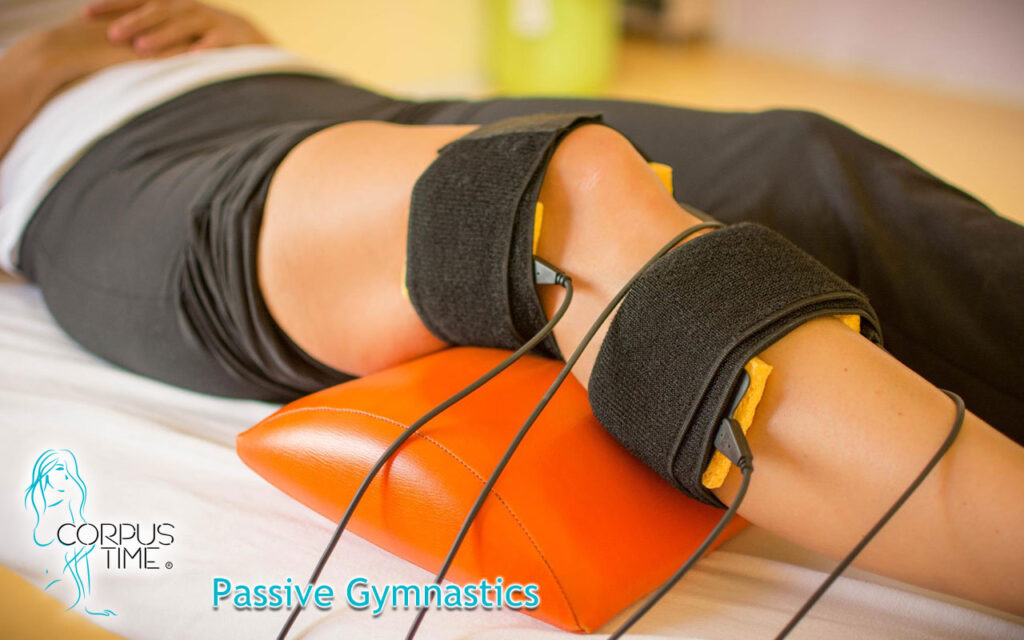
Gymnastics passive exercise is indeed effective, but its results depend on the goal. If you’re wondering about using passive gymnastics for weight loss or mobility for seniors, know that the results are not comparable to any aerobic activity. Passive gymnastics is particularly useful for patients who cannot move independently.
What is Passive Gymnastics Exercise?
Passive gymnastics exercise refers to the mobilization of a body part without active muscle recruitment. To practice passive gymnastics, you can use specialized therapeutic equipment that stimulates movement or consult a good physical therapist.
Benefits of Passive Gymnastics Exercise
Elasticizing tissues
Improving joint alignment
Stimulating cell growth
Relieving pain
Achieving adequate range of motion (suitable for seniors or patients recovering from an injury)
Passive gymnastics exercise for seniors: Maintaining muscle integrity is crucial for seniors. A good physical therapist can apply passive gymnastics exercises to compromised joints with reduced muscular tone.
The Science Behind Passive Gymnastics Exercise
When a joint is immobilized, the surrounding muscles atrophy and lose their flexibility. This is because the muscles are not being used, leading to a decrease in muscle mass and strength. Passive gymnastics exercise helps to address this issue by stimulating blood flow to the affected areas.
Research suggests that passive gymnastics exercise can improve range of motion, reduce pain, and increase muscle elasticity. By incorporating passive gymnastics into your routine, you can help maintain or regain mobility, reducing the risk of falls and other injuries.
Isometric Exercise and Passive Gymnastics
There’s another type of gymnastics called “passive” that’s often mislabeled as “gymnastics.” The correct term is “isometric exercise.” In this context, we refer to specific muscle groups in the body.
Isometric exercise differs from passive gymnastics because it involves contractions without movement. You can do isometric exercises using specialized equipment or on your own. For example, place your palm on a table and press down using your full strength. Notice that there’s no movement, but your muscles are contracting. Similarly, you can contract your glutes by squeezing your legs together while sitting in an office chair!
The Benefits of Isometric Exercise
Isometric exercise is beneficial for improving muscle strength, endurance, and flexibility. By engaging with specific muscle groups, you can improve overall muscle function, which can lead to better athletic performance and reduced injury risk.
Isometric exercise also helps with weight loss because it increases energy expenditure without actual movement. By strengthening a muscle group, you’ll burn more calories than you would through any aerobic activity.
Does Isometric Exercise Help with Weight Loss?
Yes, isometric exercise helps with weight loss because it increases energy expenditure without actual movement. However, the caloric expenditure from isometric exercise cannot be compared to other aerobic activities like running or cycling. Nonetheless, incorporating isometric exercises into your routine can contribute to overall weight loss.
Elettrostimulation and Passive Gymnastics
When discussing passive gymnastics, people often assume it involves those electrical stimulation devices that were popular on TV. They mention eletrostimolators and vibrating platforms, but are they effective?
The principle behind eletrostimulation is applying an external stimulus to a muscle, inducing a passive contraction. However, this method cannot produce significant caloric expenditure or weight loss.
In some cases, eletrostimulation might be useful for patients with severe muscular injuries or mobility issues. Nevertheless, it’s essential to understand that this method does not burn calories like other forms of exercise do.
Vibrating Platforms and Passive Gymnastics
Vibrating platforms are often used in physical therapy to help patients recover from injuries or regain mobility. These devices stimulate muscle contractions through vibrations, allowing for a more efficient workout.
While vibrating platforms can be beneficial for muscle growth and recovery, they’re not entirely passive. The user still needs to engage with the device to reap its benefits. However, these platforms can reduce the time needed for exercise while achieving similar results as traditional physical therapy.
Pedane Vibranti: Benefits and Risks
Pedane vibranti (vibrating platforms) were originally designed for medical purposes, aiming to increase collagen production in bones and tissues. However, some individuals have reported adverse effects, such as vertigo or headaches.
Before acquiring a vibrating platform, research the product thoroughly and consult with a healthcare professional. Modern vibrating platforms can be beneficial when used correctly and under medical supervision. They can help patients recover from injuries or regain mobility while reducing exercise time.
Case Studies: The Benefits of Passive Gymnastics Exercise
In one study published in the Journal of Orthopaedic Research, researchers found that passive gymnastics exercise improved range of motion and reduced pain in patients with chronic lower back pain. The participants experienced significant improvements in joint flexibility and muscle strength after just six weeks of regular therapy sessions.
Another case study published in the Journal of Physical Therapy Science showed that passive gymnastics exercise was effective in improving mobility and reducing fatigue in elderly individuals with mobility impairments. The study found that participants who received regular therapy sessions had improved joint alignment, reduced pain, and increased range of motion compared to those who did not receive treatment.
Conclusion
Passive gymnastics exercise is effective in specific situations, such as rehabilitation, elderly care, or muscle recovery after an injury. However, its results are not comparable to other forms of exercise.
By understanding the benefits and limitations of passive gymnastics, you can make informed decisions about incorporating it into your fitness routine. Remember that a balanced diet and regular physical activity are essential for overall health.
FAQs
- What is the best way to use vibrating platforms for weight loss?
While vibrating platforms can contribute to weight loss, they should not be relied upon as the sole means of exercise. Combine them with other forms of physical activity, such as cardio and strength training, for optimal results. - Can eletrostimulation cause muscle growth?
Yes, eletrostimulation can help stimulate muscle contractions and potentially aid in muscle growth. However, it should be used under medical supervision and in conjunction with a well-rounded exercise program. - How effective are vibrating platforms for muscle recovery after an injury?
Vibrating platforms can be beneficial for muscle recovery after an injury by reducing inflammation and promoting collagen production. However, they should not replace traditional physical therapy or rehabilitation exercises. - What is the difference between isometric exercise and passive gymnastics?
Isometric exercise involves contracting muscles without movement, while passive gymnastics typically involves specialized equipment that stimulates muscle contractions. - Can I use eletrostimulation to improve my mood?
There is limited research on the effects of eletrostimulation on mental health. While some people may experience temporary relaxation or reduced pain, more studies are needed to fully understand its benefits for mood improvement.
Recommended Reading
- How to Start Running from Zero
- Becoming a Mental Coach: Understanding and Pursuing a Career in Mental Coaching
- How to Become a Bodybuilding Trainer: Course Overview and Requirements
- Postural Gymnastics: Exercises, Benefits, and Certification


