
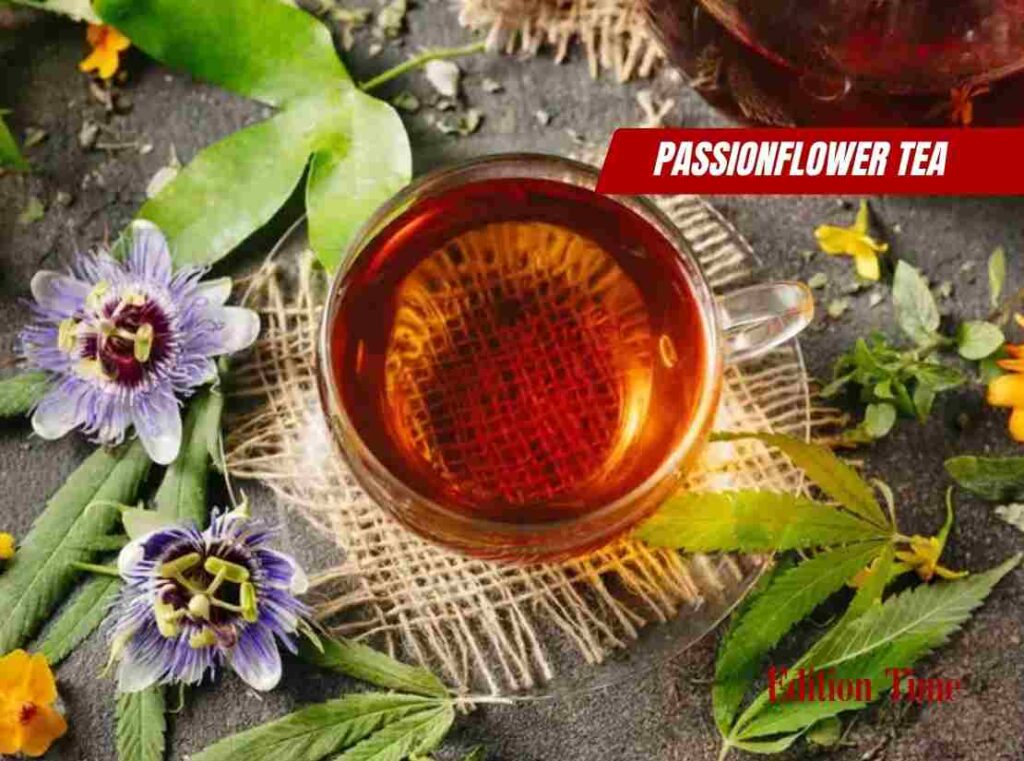
Discover passionflower tea benefits for anxiety, sleep, and stress relief. Learn how to make this calming herbal tea and safely incorporate it into your wellness routine.
I discovered passionflower tea during one of the most anxious periods of my life. Between work deadlines, family responsibilities, and general life overwhelm, I was reaching for prescription sleep aids and anxiety medications more often than I felt comfortable with. A friend who practices herbalism suggested I try passionflower tea as a gentler alternative, and I was skeptical—could a simple flower really compete with modern pharmaceuticals?
What I experienced over the following weeks completely changed my perspective on herbal remedies. The tea didn’t just help with sleep; it seemed to create a gentle buffer against daily stress that made everything feel more manageable. Unlike synthetic alternatives, passionflower tea provided relief without grogginess or dependency concerns.
This beautiful climbing vine, known scientifically as Passiflora incarnata, has been used for centuries as a natural remedy for anxiety, insomnia, and various stress-related conditions. Understanding how to use passionflower tea safely and effectively could provide the natural anxiety relief many people are seeking without the side effects of conventional medications.
Understanding Passionflower: More Than Just a Pretty Flower
Passionflower is a stunning flowering vine that serves both ornamental and medicinal purposes. While many people know it as an attractive garden climber with intricate, exotic-looking blooms, few realize they’re looking at one of nature’s most effective anxiety remedies.
The plant gets its name from early Christian missionaries who saw religious symbolism in its complex flower structure, but indigenous peoples of the Americas had been using it medicinally for generations before European contact.
The Science Behind Passionflower’s Calming Effects
Modern research has validated many traditional uses of passionflower, identifying specific compounds responsible for its therapeutic effects. The plant contains chrysin, vitexin, and other flavonoids that interact with neurotransmitter systems in the brain.
These compounds appear to work by increasing levels of gamma-aminobutyric acid (GABA), a neurotransmitter that promotes relaxation and reduces anxiety. This mechanism is similar to how prescription anti-anxiety medications work, but with a gentler, more natural approach.
Clinical studies have shown passionflower to be as effective as some prescription anxiety medications for reducing symptoms, but with fewer side effects and no risk of dependency.
Evidence-Based Benefits of Passionflower Tea
Research supports several key benefits of regular passionflower consumption, making it more than just folk medicine—it’s a scientifically-backed wellness tool.
Anxiety and Stress Reduction
Multiple clinical trials have demonstrated passionflower’s effectiveness for anxiety relief. One particularly compelling study found that passionflower extract was as effective as a common prescription anti-anxiety medication but with fewer side effects.
I noticed the anxiety benefits most clearly during my evening routine. Instead of my mind racing through tomorrow’s to-do list, the tea seemed to create mental space that allowed me to process the day’s events calmly rather than anxiously.
The stress-reducing effects appear to be cumulative, meaning regular use provides increasingly better results over time rather than just immediate relief.
Sleep Quality Improvement
Passionflower tea has been shown to improve both sleep quality and the time it takes to fall asleep. Unlike pharmaceutical sleep aids, it doesn’t force sleep but rather promotes the natural relaxation necessary for healthy sleep cycles.
The tea seems to quiet mental chatter that often keeps people awake—that endless loop of thoughts about problems, plans, and worries that can make bedtime feel like torture.
I found it particularly helpful for what I call “tired but wired” nights when physical exhaustion doesn’t translate to mental calm. The tea bridged that gap, allowing my mind to match my body’s readiness for rest.
Menstrual and Menopause Support
Passionflower’s antispasmodic properties make it helpful for menstrual cramps and discomfort. The same compounds that relax the nervous system also help relax smooth muscle tissue, potentially easing cramping.
For menopausal women, passionflower may help with mood swings, hot flashes, and the anxiety that often accompanies hormonal changes. The gentle hormonal balancing effects can provide relief without the complications of hormone replacement therapy.
Many women find passionflower tea helpful during PMS when emotional sensitivity and irritability peak. The calming effects can smooth out mood fluctuations naturally.
Digestive System Benefits
The antispasmodic properties that help with menstrual cramps also benefit digestive health. Passionflower tea can help calm stomach cramping, reduce digestive anxiety, and support overall gut health.
Stress-related digestive issues often improve when passionflower tea is used regularly, as the herb addresses both the stress response and its physical manifestations in the digestive system.
How to Prepare Perfect Passionflower Tea
Making effective passionflower tea requires attention to timing and temperature to extract maximum therapeutic compounds while maintaining palatability.
Basic Passionflower Tea Recipe
Ingredients for one cup:
- 1 tablespoon dried passionflower (or 2 tablespoons fresh)
- 8 ounces hot water (not boiling)
- Raw honey or stevia to taste (optional)
Preparation method:
- Heat water to just below boiling (around 190-200°F) to preserve delicate compounds
- Add dried passionflower to a tea infuser or directly to your cup
- Pour hot water over the herb and cover to prevent volatile oils from escaping
- Steep for 10-15 minutes for maximum therapeutic benefit
- Strain and sweeten if desired with natural sweeteners
The longer steeping time is crucial for extracting the anxiolytic compounds that make passionflower tea therapeutically effective rather than just pleasant-tasting.
Enhancing the Benefits
Passionflower combines beautifully with other calming herbs to create more comprehensive stress relief. Traditional combinations include:
Passionflower and chamomile for enhanced sleep support and digestive calming Passionflower and lemon balm for anxiety relief with mood-lifting effects Passionflower and lavender for deep relaxation and stress recovery
I often make a larger batch by combining equal parts passionflower, chamomile, and lemon balm, storing the mixture for quick evening tea preparation.
Optimal Timing and Dosage
For anxiety relief, drink passionflower tea 1-2 times daily, with one cup in the evening being most beneficial for most people.
For sleep support, consume 30-60 minutes before bedtime to allow the calming effects to take hold before you want to sleep.
For menstrual support, increase frequency to 2-3 cups daily starting a few days before symptoms typically begin.
Start with smaller amounts (half a tablespoon of dried herb) to assess your individual sensitivity before increasing to full therapeutic doses.
Safety Considerations and Contraindications
While passionflower is generally safe for most people, certain situations require caution or complete avoidance to prevent potential complications.
When to Avoid Passionflower Tea
Pregnancy and breastfeeding require avoiding passionflower due to potential uterine stimulating effects that could trigger contractions or affect fetal development.
Before surgery, discontinue passionflower tea at least two weeks prior, as it may interact with anesthesia and affect blood pressure during procedures.
If taking prescription anxiety or sleep medications, consult with a healthcare provider before using passionflower, as it may enhance the effects and require dosage adjustments.
Potential Side Effects
Most people tolerate passionflower tea well, but some may experience drowsiness, dizziness, or mild digestive upset, especially when first starting use.
Begin with smaller doses to assess your individual response, and avoid driving or operating machinery until you understand how the tea affects you.
If you experience any unusual symptoms or allergic reactions, discontinue use and consult with a healthcare professional.
Sourcing Quality Passionflower
The therapeutic effectiveness of passionflower tea depends heavily on the quality of the plant material used, making sourcing an important consideration.
What to Look for in Dried Passionflower
High-quality dried passionflower should have a greenish color rather than brown or gray, indicating proper drying and storage methods that preserve active compounds.
The herb should have a mild, pleasant aroma without musty or off odors that might indicate age or improper storage.
Organic certification ensures the herb was grown without pesticides or chemicals that could interfere with its therapeutic properties or add unwanted toxins.
Growing Your Own Passionflower
Passionflower is surprisingly easy to grow in most temperate climates and makes an attractive addition to gardens while providing homegrown medicine.
The plant thrives in partial shade and can be trained up trellises or fences, making it both functional and beautiful in landscape design.
Harvest the aerial parts (leaves and flowers) during the blooming season for the highest concentration of active compounds.
Integrating Passionflower Tea into Your Wellness Routine
Maximizing the benefits of passionflower tea requires consistent use and thoughtful integration with other stress management practices.
Creating an Evening Ritual
I’ve found that the ritual of preparing and drinking passionflower tea is almost as calming as the tea itself. The process of slowing down, focusing on the preparation, and taking time to mindfully sip creates a transition from day stress to evening calm.
Combine tea time with other relaxing activities like gentle stretching, journaling, or reading to enhance the overall calming effects.
Use consistent timing to help train your body’s circadian rhythms and enhance the sleep-promoting benefits of regular passionflower consumption.
Combining with Other Natural Anxiety Relief Methods
Passionflower tea works synergistically with other natural anxiety management techniques like deep breathing, meditation, and regular exercise.
The herb doesn’t replace the need for therapy or lifestyle changes but can provide gentle support while you work on underlying causes of anxiety and stress.
Consider passionflower tea as one tool in a comprehensive wellness toolkit rather than a standalone solution for complex anxiety or mood issues.
The Broader Perspective on Herbal Anxiety Relief
Passionflower tea represents a gentler approach to mental health support that honors the body’s natural healing capabilities while providing measurable therapeutic benefits.
Unlike pharmaceutical interventions that often suppress symptoms, herbal remedies like passionflower tea tend to support the body’s own regulatory systems, potentially leading to more sustainable wellness outcomes.
The growing body of research on passionflower and other medicinal herbs suggests that traditional plant medicines deserve serious consideration in modern wellness practices, offering effective alternatives or complements to conventional treatments.
My experience with passionflower tea taught me that effective anxiety relief doesn’t always require pharmaceutical intervention. Sometimes the gentlest approaches provide the most sustainable benefits, supporting our natural capacity for calm and resilience.
Whether you’re dealing with occasional stress, chronic anxiety, or sleep difficulties, passionflower tea offers a time-tested, scientifically-supported option that honors both ancient wisdom and modern research. The key is approaching it with patience, consistency, and respect for both its power and its limitations as a healing ally.


