
Introduction
Parsley is one of the most versatile and widely used medicinal plants in cooking. This humble herb has been a staple in many cuisines for over 2000 years, not only adding flavor but also providing numerous health benefits. In this article, we will delve into the properties, uses, and cultivation of parsley, as well as its nutritional values and potential side effects.
What is Parsley?
Parsley, or Petroselinum crispum, is an aromatic herbaceous plant belonging to the Apiaceae family, which includes coriander and spinach. It is a biennial plant that can grow up to 80 cm in height, with green leaves featuring triangular fringes on the edge and small flowers tending towards blue, violet, or yellow.
Origin of Parsley
Parsley originated in southern Europe and has been used for medicinal purposes since ancient times. The Greeks considered it a medicine, while the Romans introduced it into cooking and adorned banquet tables with its leaves. In India, parsley roots, essential oil, and extracts have been widely used in Ayurveda to alleviate various disorders.
Properties of Parsley
Parsley is rich in antiseptic, diuretic, antioxidant, and carminative properties, making it an effective remedy for various health issues. Its consumption can help purify the urinary system, lower blood pressure, favor digestion, alleviate menstrual cramps, and combat aging of organs and cells.
Side Effects and Contraindications
While parsley is generally safe to consume, excessive use can cause side effects such as anemia and liver problems, particularly during pregnancy. It’s best to avoid using parsley if suffering from kidney disease, hepatitis, or taking anticoagulant or diuretic medications.
Is Parsley Toxic?
No, the idea that parsley is toxic is a legacy of past centuries when it was used as an abortifacient in large quantities and under infusions. However, consuming parsley roots, essential oil, or extracts can cause problems ranging from skin eruptions to symptoms of poisoning if too much is consumed.
Nutritional Values
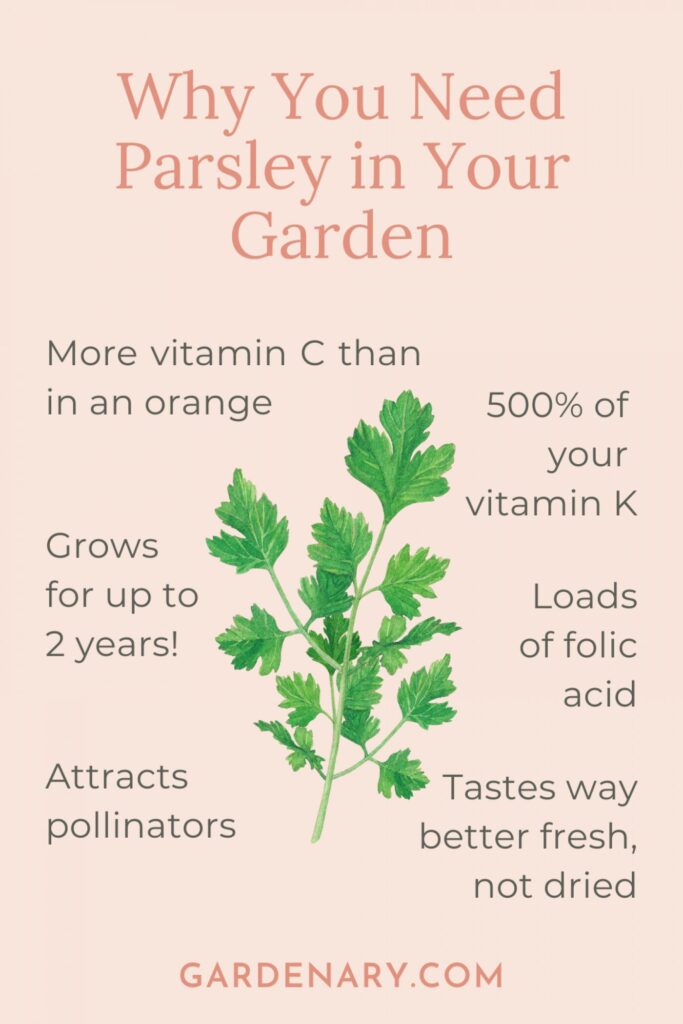
Parsley is an excellent source of micronutrients such as potassium, calcium, sodium, magnesium, phosphorus, iron, vitamin C, A, E, K, and group B vitamins. One tablespoon of fresh parsley contains approximately one calorie, making it a great addition to low-calorie diets.
Parsley in Cooking
Parsley is an aromatic herb that can be used to flavor dishes beyond compare. It pairs perfectly with pasta, soups, second courses made from meat or fish, and even sweets like sponge cake. Parsley infusion has a general detoxifying action, favors digestive health, and reduces gas formation in the intestines.
Masticating Parsley against Bad Breath
If you suffer from bad breath or have eaten food containing garlic and onions, masticating parsley is a useful remedy that helps disinfect airways and alleviate nausea and vomiting feelings.
From Sowing to Harvesting
Parsley can be cultivated indoors or outdoors with minimal care. The ideal climate for growing parsley is temperate and humid, with temperatures between 15°C and 25°C. Parsley requires partial shade and well-drained soil with a pH range of 6-7. Harvesting parsley seeds requires patience, as it takes two years for the plant to flower and produce seeds.
Drying Parsley
Fresh parsley leaves can be dried using air drying or oven drying methods. Air-dried parsley is ideal for long-term storage and can be used in teas, soups, and salads. Oven-dried parsley is better suited for cooking purposes, as it retains its flavor and aroma.
Conserving Parsley
Parsley can be conserved by drying, freezing, or storing it under oil or salt. These methods allow you to enjoy the herb year-round and add flavor to sauces without refrigeration. Freezing parsley is a simple process that involves placing the leaves in an airtight container or freezer bag and storing them at 0°C for up to six months.
Frequently Asked Questions
- Q: Is parsley safe during pregnancy?
A: Yes, fresh parsley is safe to consume during pregnancy, but avoid infusions, decoctions, or oils as they may cause uterine contractions. - Q: Can I use parsley for medicinal purposes if I have kidney disease?
A: No, it’s best to avoid using parsley if you have kidney disease or are taking anticoagulant or diuretic medications. - Q: How do I dry parsley naturally?
A: To dry parsley naturally, gather the leaves and create small bundles, then place them in a paper bag to avoid dust accumulation. - Q: Can I use dried parsley in cooking?
A: Yes, dried parsley can be used to add flavor to dishes without refrigeration. - Q: How do I conserve parsley under oil or salt?
A: To conserve parsley under oil, displace clean and dried leaves in a jar with olive oil. For conserving under salt, sprinkle 40 grams of salt per kilogram of parsley in an airtight container in the fridge.
Parsley in Traditional Medicine
In traditional medicine, parsley is used to treat various conditions such as respiratory problems, skin issues, and digestive disorders. Parsley has been traditionally used to alleviate menstrual cramps, colds, and other respiratory infections. It’s also used to treat constipation and hemorrhoids due to its laxative properties.
Parsley in Cosmetic Applications
Parsley is a popular ingredient in skincare products due to its antioxidant and anti-inflammatory properties. Parsley extract can be added to face creams and serums to reduce inflammation, fight free radicals, and promote healthy skin. It’s also used in shampoos and conditioners to improve hair growth and reduce dandruff.
Parsley as a Natural Insecticide
Parsley has been used as a natural insecticide due to its chemical properties that repel insects like mosquitoes and flies. Parsley can be crushed and mixed with water to create a homemade pesticide spray that’s effective against pests.
Conclusion
In conclusion, parsley is a versatile herb that offers numerous health benefits, culinary uses, and traditional medicine applications. Its antioxidant and anti-inflammatory properties make it an excellent addition to a healthy diet, while its medicinal properties can help alleviate various health issues. By understanding the properties, uses, and cultivation of parsley, you can unlock its full potential as a medicinal herb and culinary delight.
Additional Tips
- Use fresh parsley leaves within two weeks for optimal flavor and aroma.
- Store dried parsley in an airtight container to maintain its freshness.
- Consume parsley tea regularly to benefit from its detoxifying properties.
- Add parsley juice to your salads and smoothies for an extra boost of antioxidants.
- Grow your own parsley plant indoors or outdoors to enjoy fresh herbs year-round.
Final Words
Parsley is a gift from nature that offers numerous benefits for our health, beauty, and well-being. By incorporating this humble herb into our daily lives, we can unlock its full potential as a medicinal plant, culinary delight, and natural remedy.


