
Paresthesia is a common condition characterized by abnormal sensations in the body. These sensations can range from mild discomfort to intense pain, and they often affect the extremities, such as the hands and feet. In this article, we’ll delve into the meaning of paresthesia, its causes, symptoms, and treatments.
What Is Paresthesia?
Paresthesia is officially defined as an alteration in the sensitivity of the senses or other parts of the body. It can manifest as a tingling sensation, like pins and needles, or a burning feeling that’s not necessarily painful. The discomfort caused by paresthesia can be quite distressing, but it’s essential to note that it’s usually not a cause for concern.
When Does Paresthesia Occur?
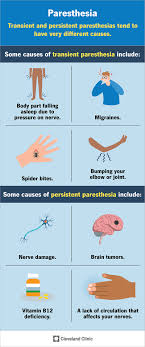
Paresthesia can occur at any time, even when you’re doing nothing. For instance, if you sit on your legs for an extended period, you might experience a sensation of crawling or itching in your feet. Similarly, falling asleep with your arm bent can cause a similar feeling. However, if the sensations persist and worsen over time, it’s best to consult a doctor.
Causes of Paresthesia
To determine the underlying causes of paresthesia, your doctor may perform simple tests, such as stroking your skin with a cotton ball or applying cold or warm water to your arm. These tests can help identify potential issues with nerve function and other conditions that might be contributing to the discomfort.
Some common causes of paresthesia include:
• Neurological disorders: Conditions like multiple sclerosis, Parkinson’s disease, and peripheral neuropathy can cause abnormal sensations in the body.
• Arthritis, particularly rheumatoid arthritis: Inflammation caused by this condition can irritate nerves and lead to paresthesia symptoms.
• Damage to nerves: Nerve damage or compression due to injuries, infections, or tumors can disrupt normal nerve function and result in abnormal sensations.
• Autoimmune diseases: Conditions like lupus and rheumatoid arthritis can cause inflammation that affects the nervous system and leads to paresthesia.
Symptoms of Paresthesia
As mentioned earlier, paresthesia can manifest in different ways. There are two main types of symptoms: those that occur as a result of miscommunication between the brain and sensory organs, and those that don’t have any external stimulus.
When there’s an issue with nerve communication, you might experience:
• A tingling sensation: A feeling of pins and needles or a burning sensation in your skin.
• Numbness or weakness: Lack of sensation or muscle weakness in specific areas of the body.
• Pain or discomfort: Intense pain or a general feeling of unease, which can be accompanied by numbness or tingling.
In cases where there’s no external stimulus, you may feel:
• ** Pins and needles: A sensation that feels like small pins are poking at your skin.
• Burning sensations: Burning feelings in your arms, legs, or other areas of the body.
• Unusual sensations of heat or cold**: Feeling like your skin is on fire or experiencing intense cold spots without any external cause.
Diagnosis and Treatment
If you’re experiencing symptoms of paresthesia, it’s essential to consult a doctor. They will perform a physical examination, review your medical history, and may order imaging tests or blood work to determine the underlying cause.
Treatment for paresthesia depends on the underlying cause. In some cases, no treatment is necessary if the condition is mild and resolves on its own. However, if symptoms persist or worsen, treatment options include:
• Medications: Pain relievers, muscle relaxants, and anticonvulsants may be prescribed to manage symptoms.
• Physical therapy: Exercise and stretching can help improve nerve function and reduce numbness or weakness.
• Nerve blocks: Injecting medication directly into the affected area can provide temporary relief from pain and discomfort.
In more severe cases, surgery may be necessary to repair damaged nerves or relieve pressure on affected nerves. In some cases, paresthesia symptoms can persist for months or even years after treatment has been initiated.
Lifestyle Changes
To manage paresthesia symptoms, consider the following lifestyle changes:
• Exercise regularly: Regular physical activity can improve nerve function and reduce numbness or weakness.
• Maintain a healthy weight: Excess weight can put pressure on nerves, so losing weight if necessary can help alleviate symptoms.
• Manage stress: Stress can exacerbate paresthesia symptoms, so engaging in relaxation techniques like meditation or deep breathing can be beneficial.
• Get enough sleep: Adequate sleep is essential for nerve function and overall health.


