
Have you ever noticed that your plants are being invaded by pests that are devouring their flowers, leaves, and buds? It’s a common problem for gardeners, but it doesn’t have to be a difficult one to solve. In this article, we’ll explore the best natural methods to get rid of plant pests without using harsh chemicals.
The Importance of Prevention
To avoid having your plants ruined by pests, it’s essential to practice good garden hygiene and take preventive measures. This includes:
- Providing your plants with the right amount of light, water, and nutrients
- Practicing good air circulation and pruning techniques
- Monitoring your plants regularly for signs of pests
Types of Plant Pests
There are two main types of plant pests: vegetal and animal. Vegetal pests include fungi that cause diseases like powdery mildew and leaf spot, while animal pests include insects like aphids, whiteflies, and spider mites.
- Vegetal Pests: Fungi like powdery mildew and leaf spot can cause significant damage to plants. To prevent these pests, it’s essential to practice good hygiene and monitor your plants regularly.
- Animal Pests: Insects like aphids, whiteflies, and spider mites can also cause significant damage to plants. These pests are often attracted to sweet-tasting substances and can spread quickly.
Natural Methods for Getting Rid of Plant Pests
There are many natural methods that can be used to get rid of plant pests without using harsh chemicals. Some of the most effective methods include:
- Using Companion Plants: Certain plants, like marigolds and nasturtiums, repel pests like aphids and whiteflies. By planting these companion plants alongside your main crop, you can help deter pests naturally.
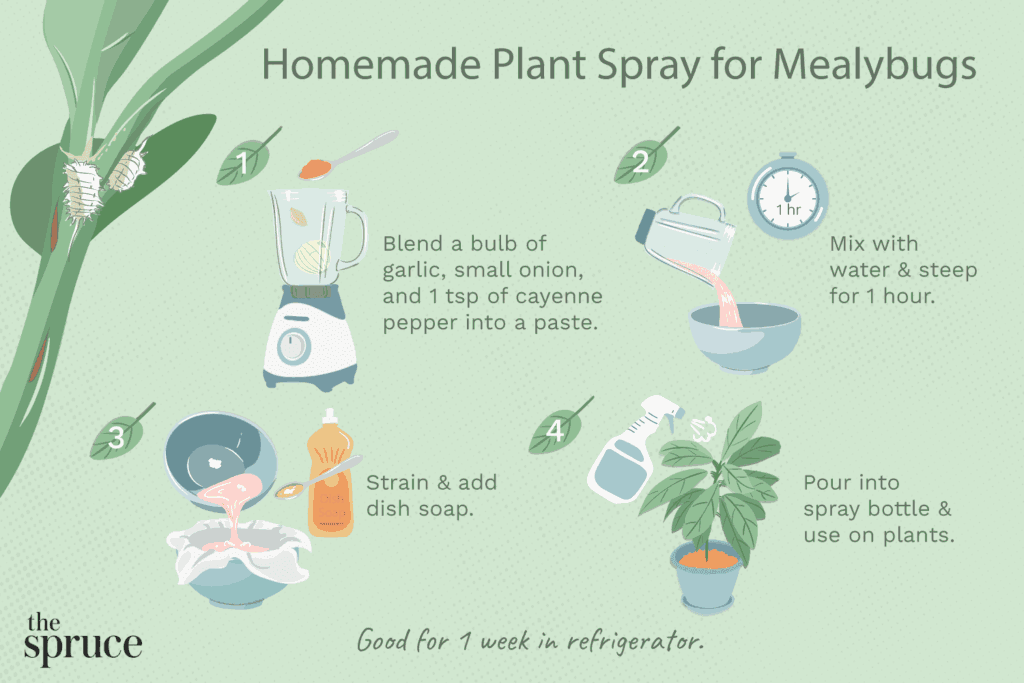
- Making Macerates: Macerates are a type of homemade pesticide that can be made using ingredients like garlic and soap. These macerates can be used to repel pests like aphids and spider mites.
- Using Neem Oil: Neem oil is a natural insecticide that can be used to control pests like aphids, whiteflies, and spider mites. It’s derived from the seeds of the neem tree and has been shown to be effective in controlling plant pests.
Effective Natural Methods for Getting Rid of Plant Pests
Here are some specific natural methods that can be used to get rid of plant pests:
- Garlic Spray: Garlic spray is a homemade pesticide made using garlic, water, and soap. It’s an effective way to repel pests like aphids and spider mites.
- Mint Spray: Mint spray is another homemade pesticide made using mint, water, and soap. It’s an effective way to repel pests like whiteflies and aphids.
Organic Pest Control Methods
In addition to the methods mentioned above, there are several other organic pest control methods that can be used to get rid of plant pests:
- Soap Solution: A solution made from dish soap and water can be used to repel pests like aphids and whiteflies.
- Diatomaceous Earth: Diatomaceous earth is a natural substance that can be used to repel pests like slugs and snails. It works by dehydrating the pests, causing them to die.
- Cayenne Pepper: Cayenne pepper can be used to repel pests like aphids and spider mites. It works by irritating the pests’ eyes and mouth parts.
Biological Control Methods
Biological control methods involve using living organisms to control pest populations. Some examples of biological control methods include:
- Predatory Insects: Predatory insects, such as ladybugs and lacewings, can be used to control pest populations.
- Beneficial Nematodes: Beneficial nematodes are microscopic worms that attack and kill pests like grubs and caterpillars.
- Parasitic Wasps: Parasitic wasps are natural predators of many common garden pests.
Physical Barriers
Physical barriers can be used to prevent pests from reaching your plants. Some examples of physical barriers include:
- Fine-Mesh Screens: Fine-mesh screens can be used to keep out flying insects like whiteflies and aphids.
- Cage Traps: Cage traps can be used to catch and remove pests like slugs and snails.
Conclusion
Getting rid of plant pests doesn’t have to be a difficult process. By practicing good garden hygiene, monitoring your plants regularly, using natural methods like companion planting, macerates, and neem oil, and incorporating organic pest control methods, you can keep your plants healthy and pest-free.
Frequently Asked Questions (FAQs)
- Q: How do I prevent pests from attacking my plants?
A: To prevent pests from attacking your plants, practice good garden hygiene by providing your plants with the right amount of light, water, and nutrients, and monitor them regularly for signs of pests. - Q: What are some effective natural methods for getting rid of plant pests?
A: Some effective natural methods for getting rid of plant pests include companion planting, making macerates, and using neem oil. - Q: How do I make a garlic spray to repel pests?
A: To make a garlic spray, mix 3 cloves of minced garlic with 1 quart of water and add a few drops of soap. Stir the mixture well and let it sit for 24 hours before straining it through a cheesecloth. - Q: Can I use neem oil to control pests in my greenhouse?
A: Yes, you can use neem oil to control pests in your greenhouse. Neem oil is a natural insecticide that can be used to repel pests like aphids and whiteflies. - Q: How do I prevent spider mites from attacking my plants?
A: To prevent spider mites from attacking your plants, practice good hygiene by providing your plants with the right amount of light, water, and nutrients, and monitor them regularly for signs of pests.


