
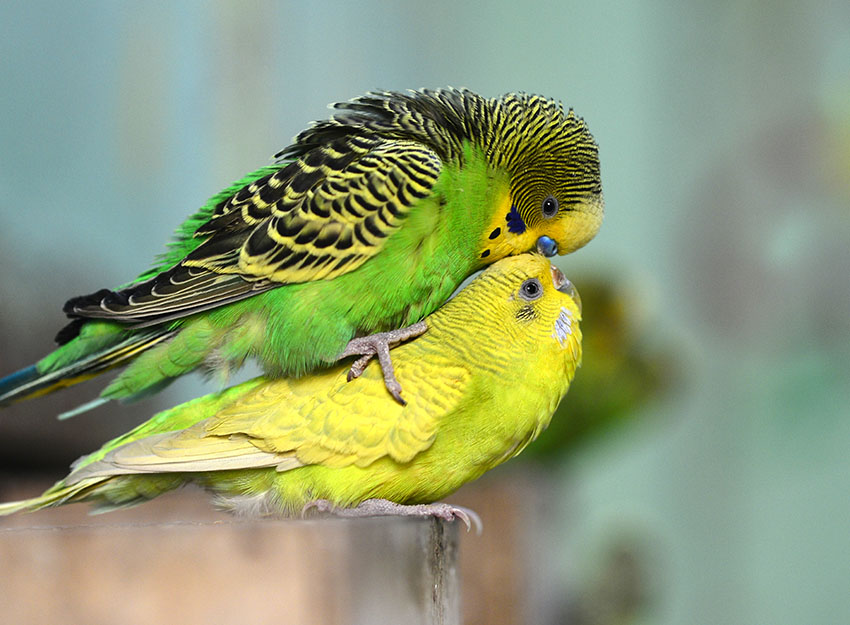
As one of the most popular domesticated birds, cockatiels have captured the hearts of many animal lovers around the world. With their gentle nature, vibrant plumage, and playful personalities, it’s no wonder why they’ve become a staple in many homes. But before bringing a cockatiel into your life, it’s essential to understand their needs, behavior, and requirements.
Characteristics of Cockatiels
Cockatiels, also known as Parrotlets or Whistling Birds, are native to Australia and come in over 100 species. They share several common characteristics, including:
- Small size (usually around 20 cm)
- Diet consisting mainly of small seeds
- Long, slender tail feathers
- Colorful plumage with shades of green, yellow, and orange
- Ability to mimic human speech and other sounds
Reproduction and Lifespan
Cockatiels reproduce by pairing up and laying eggs, which hatch after a 24-day incubation period. Females typically lay two nests per year, each containing 6-8 eggs. In terms of lifespan, cockatiels have an average life expectancy of 7 to 15 years in captivity.
Alimentation and Nutrition
A balanced diet is crucial for maintaining the health and well-being of your feathered friend. A mix of small seeds, supplemented with fruits, vegetables, and occasional treats like cooked eggs or meat, will provide the necessary nutrients for optimal health. However, it’s essential to avoid overfeeding and to limit the amount of sugary foods.
Health Considerations
Cockatiels are prone to certain health issues, including:
- Respiratory problems due to dust accumulation
- Beak trimming to prevent overgrowth
- Vitamin A deficiency if fed a diet lacking in leafy greens
- Bacterial infections from poor cage hygiene
To minimize the risk of these issues, ensure that your cockatiel’s environment is clean and well-maintained. Regularly clean the cage, food dishes, and water bowls to prevent bacterial growth.
Allevamento e Curatela del Corpo
Providing a clean, spacious environment is vital for your cockatiel’s physical and mental well-being. This includes:
- A large cage with adequate ventilation (minimum size 30 inches wide x 18 inches deep x 36 inches tall)
- A deep water bowl for bathing ( changed daily to prevent bacterial growth)
- Regular nail trimming (every 2 months) to prevent overgrowth
- A balanced diet
Behavior and Socialization
Cockatiels are known for their friendly, outgoing personalities and are highly social birds that thrive on interaction. They’re excellent companions for children and can learn to mimic human speech and other sounds. However, they may be wary of new animals or environments, so it’s essential to introduce them gradually.
Tips for Handling Cockatiels
To ensure a safe and enjoyable experience for both you and your cockatiel:
- Approach calmly and gently
- Avoid sudden movements or loud noises
- Provide treats regularly to encourage trust
Training and Enrichment
Cockatiels can be trained to perform tricks, play games, and even learn simple commands. To keep your feathered friend engaged and stimulated:
- Provide a variety of toys and activities (e.g., puzzles, ladders, mirrors)
- Engage in interactive play sessions regularly
- Offer fresh fruits and vegetables daily
Prezzo e Acquisto
The cost of purchasing a healthy cockatiel can vary greatly depending on the breeder, location, and variety. It’s crucial to purchase from reputable sources, such as veterinarians or certified pet stores, to ensure the bird’s health and well-being.
FAQs
- How long do cockatiels live?
- What is a balanced diet for cockatiels?
- Can cockatiels be trained to mimic human speech?
- How often should I bathe my cockatiel?
- Can I keep multiple cockatiels together?
- How often should I trim my cockatiel’s nails?
- What are some common health issues in cockatiels?
- Can I take my cockatiel for a walk outside?
Bulleted List:
- Provide a spacious cage with adequate ventilation
- Offer a balanced diet consisting mainly of small seeds
- Ensure regular nail trimming (every 2 months)
- Introduce new animals or environments gradually to prevent stress
- Research reputable breeders or pet stores for purchasing healthy cockatiels
Conclusion
Cockatiels are beloved pets due to their affectionate nature, vibrant plumage, and playful personalities. By understanding their needs, behavior, and requirements, you can provide the best possible care for your feathered companion and enjoy a rewarding and fulfilling relationship with this amazing bird species.
Recommended Care and Housing Tips:
- Keep the cage away from direct sunlight to prevent overheating
- Provide plenty of hiding places and perches to reduce stress
- Clean the cage regularly to maintain a healthy environment
Additional Resources:
- Consult your veterinarian for specific advice on caring for your cockatiel
- Join online forums or social media groups to connect with other cockatiel owners and enthusiasts


