
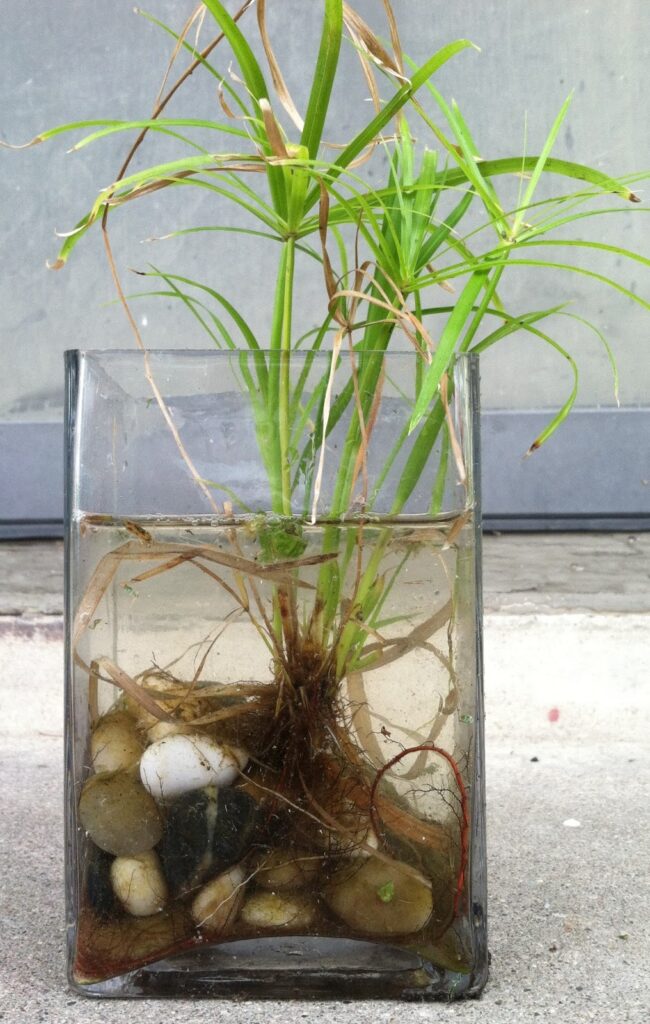
Are you fascinated by the ancient world and the art of papermaking? Look no further! In this article, we’ll delve into the process of multiplying papyrus plants, a technique used for centuries to create new plants from existing ones. We’ll explore three methods – division, seed propagation, and stem cuttings – and provide a comprehensive guide on how to succeed.
Understanding Papyrus Plants
Papyrus plants (Cyperus papyrus) are aquatic grasses native to Africa, known for their unique ability to produce multiple shoots from a single rhizome. These plants have been used for centuries as a source of papermaking material, and their versatility has made them a popular choice for gardeners and enthusiasts alike.
Papyrus plants are often confused with reed or papyrus grass, but they belong to the same family (Cyperaceae) and share similar characteristics. The plant’s ability to produce multiple shoots from a single rhizome is due to its unique reproductive system, which involves producing numerous seeds on long stems called spikelets.
Benefits of Multiplying Papyrus Plants
Multiplying papyrus plants offers several benefits, including:
- Cost-effective: By propagating your own papyrus plants, you can save money and reduce the need for commercial seedlings.
- Increased yields: New plants from existing ones will produce more shoots and stems, increasing overall yields.
- Improved genetic diversity: Propagating new plants from existing ones allows for the introduction of new genetic traits, which can enhance the plant’s resistance to disease or pests.
Method 1: Division (The Easy Way)
Division is the simplest method of multiplying papyrus plants. It involves separating the plant into smaller sections, allowing each section to grow into a new plant. This technique requires minimal equipment and is ideal for beginners.
- When to divide: Autumn is the best time to divide papyrus plants, as it allows the new plants to establish themselves before winter.
- How to divide:
- Carefully remove the plant from the water or soil.
- Gently separate the rhizome into sections, making sure each section has some aerial parts (leaves or stems).
- Plant the separated sections in a new container filled with water or moist soil.
- Ensure the soil is consistently moist but not waterlogged.
Method 2: Seed Propagation (The Patient Approach)
Seed propagation is a more time-consuming method that requires patience and attention to detail. Papyrus plants produce thousands of seeds, which can be used for propagation.
- When to sow: Sow papyrus seeds in the spring or summer, about 1/4 inch deep in moist soil.
- How to propagate:
- Collect papyrus seeds from mature plants and store them in an airtight container.
- Sow the seeds in a seed tray or small pots filled with moist soil.
- Keep the soil consistently moist but not waterlogged.
- Transplant the seedlings to larger containers once they have developed some aerial parts.
Method 3: Stem Cuttings (The Most Versatile Approach)
Stem cuttings are a popular method for multiplying papyrus plants, as it allows for more control over the propagation process.
- When to take cuttings: Take stem cuttings in the spring or summer, when the plant is actively growing.
- How to propagate:
- Choose a healthy stem with at least two nodes (the joint where a leaf meets the stem).
- Cut the stem about 10 cm below the node using a sharp knife or pruning tool.
- Place the cut end in a container filled with water, making sure the node is submerged.
- Change the water every five days and provide a warm environment (around 75°F to 85°F).
- Once roots have developed, transplant the cutting into a pot filled with moist soil.
Tips and Tricks
- Use a well-draining potting mix: Papyrus plants prefer moist but not waterlogged conditions.
- Provide adequate light: Most papyrus plants require partial shade to full sun, depending on the climate.
- Maintain consistent temperatures: Keep the temperature between 65°F and 75°F for optimal growth.
Common Challenges
When multiplying papyrus plants, you may encounter some common challenges, such as:
- Root rot: Papyrus plants are prone to root rot if the soil is too moist or waterlogged.
- Lack of light: Insufficient light can cause papyrus plants to become leggy or weak.
- Pests and diseases: Regularly inspect your plants for signs of pests or diseases, such as aphids, spider mites, or fungal infections.
Conclusion
Multiplying papyrus plants is a rewarding process that requires patience and attention to detail. By understanding the different methods of propagation – division, seed propagation, and stem cuttings – you can successfully create new plants from existing ones. Remember to provide the right environment, care, and attention to ensure your papyrus plants thrive.
Frequently Asked Questions
-
Can I propagate papyrus plants in cold climates?
No, papyrus plants prefer warm temperatures above 65°F (18°C). In cold climates, it’s best to start with division or seed propagation.
2. How long does it take for papyrus seeds to germinate?Papyrus seeds can take anywhere from 1-6 weeks to germinate, depending on the temperature and moisture conditions.
3. Can I propagate papyrus plants in water?Yes, you can propagate papyrus plants in water using stem cuttings or division. This method allows for more control over the propagation process.
4. What’s the best way to care for newly propagated papyrus plants?Newly propagated papyrus plants require consistent moisture, partial shade, and warm temperatures (around 75°F to 85°F). Ensure they are placed in a well-draining potting mix and kept away from direct sunlight.
5. Can I propagate papyrus plants indoors?Yes, you can propagate papyrus plants indoors using division or stem cuttings. However, ensure the environment is consistent with the plant’s requirements (partial shade to full sun and warm temperatures).


