
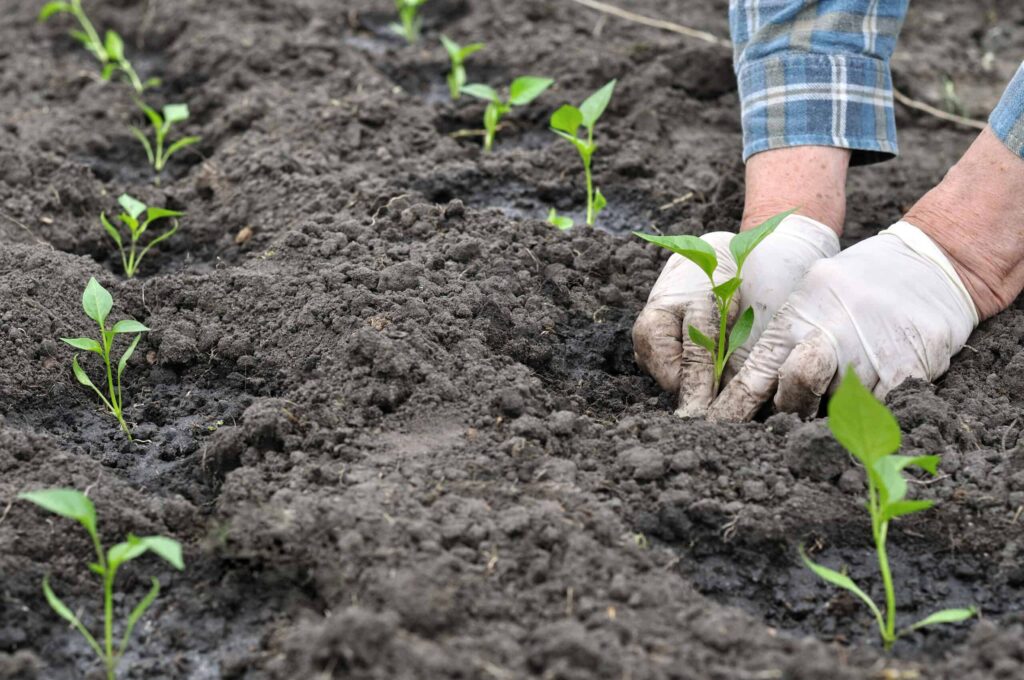
Introduction
Sweet pepper, also known as papaccella napoletana in Italy, is a type of sweet pepper that originated from Naples. It’s known for its extremely sweet taste and small size. Since 2006, it has been recognized as a Slow Food presidium. This article will guide you through the process of growing sweet pepper, including seeding and care.
History and Variations of Sweet Pepper
Sweet pepper is widely known in Italy, but its name varies across regions. In the southern part of Italy, it’s called papaccella; in central and northern Italy, it’s referred to as chiacchiera, chiochiera, or pupacchiella. The name change often depends on local dialects.
When to Grow Sweet Pepper: Period of Seeding and Care
The ideal time to start growing sweet pepper is in May. This is the best time for sowing seeds directly into the field. In contrast, sowing seeds indoors can take place as early as March in southern Italy and April in northern Italy.
Seeding and Planting
Once you’ve decided on a location for your sweet pepper plants, it’s essential to prepare the soil. Sweet pepper prefers well-draining soil with a pH between 6.0 and 7.0. Before planting, mix compost into the top layer of the soil. This will help create an optimal environment for growth.
Types of Sowing Methods
There are two primary methods for sowing sweet peppers: the twin rows method and the single row method.
- Twin Rows Method: This technique involves planting two rows of plants close together, with a 70-75 cm distance between them. This method allows for more even growth and increased yields.
- Single Row Method: In this approach, individual plants are planted on separate rows, spaced about 1 meter apart. While this method is less space-efficient, it’s ideal for small gardens.
Choosing the Right Variety
When selecting sweet pepper varieties, look for those with compact growth habits and small fruit. These types of peppers tend to thrive in containers or smaller spaces. You can also choose from a variety of colors, such as red, orange, yellow, or green.
Growing Sweet Pepper in Containers
Sweet pepper can be grown successfully in containers, provided you have enough space for the plants to grow. Make sure your container has good drainage holes and is at least 12 inches deep.
Supporting the Plants
As sweet pepper plants grow, they will require support to prevent them from toppling over. You can use tomato cages or trellises to provide structure and keep the plants upright.
Pest and Disease Control
Sweet pepper plants are susceptible to various pests and diseases. Regularly inspect your plants for signs of infestation or infection, and take action promptly if you notice any issues.
Using Sweet Pepper in Cooking
Sweet pepper can be enjoyed fresh, roasted, or used in a variety of dishes. It pairs well with meats, fish, and vegetables, making it an excellent addition to many meals.
Frequently Asked Questions
Here are some frequently asked questions about growing sweet peppers:
- How long does it take for sweet peppers to mature?
- Sweet peppers typically take between 60-90 days to mature after sowing.
- What is the best way to store sweet peppers?
- Store sweet peppers in a cool, dry place or refrigerate them to prolong their shelf life.
- Can I grow sweet pepper indoors?
- Yes, you can grow sweet pepper indoors using containers and sufficient light.
- How often should I water my sweet pepper plants?
- Water your sweet pepper plants regularly, but avoid overwatering, which can lead to disease and pest issues.
Growing sweet peppers requires careful attention to detail, including proper sowing techniques, soil preparation, and pest control. With the right care and conditions, you can enjoy a bountiful harvest of delicious sweet peppers.
Nutritional Value
Sweet pepper is rich in vitamins A, C, and E, as well as minerals such as potassium, magnesium, and iron. Its high water content makes it an excellent source of hydration.
Harvesting Sweet Peppers
When sweet peppers reach their full color and are slightly firm to the touch, they’re ready for harvest. Use scissors or a sharp knife to carefully cut the pepper from the stem, leaving a small piece attached to the plant.
Preserving Sweet Peppers
To preserve sweet peppers, you can either dry them or freeze them. Drying involves removing the seeds and soaking the peppers in water before drying them out thoroughly. Freezing preserves the peppers’ flavor and texture by encasing them in an ice cube tray filled with water.
Growing Sweet Pepper for Beginners
Sweet pepper is a great crop to start growing as a beginner, especially if you have limited space or experience. With these simple steps, you can enjoy your own sweet peppers in no time:
- Start small: Begin by planting just one or two seedlings.
- Provide support: Make sure to provide sufficient support for the plants to grow upwards and prevent them from toppling over.
- Keep it watered: Regularly water your sweet pepper plants, but avoid overwatering.
By following these guidelines, you can successfully grow sweet peppers in your own garden or even indoors, ensuring a bountiful harvest of delicious papaccella napoletana peppers.


