
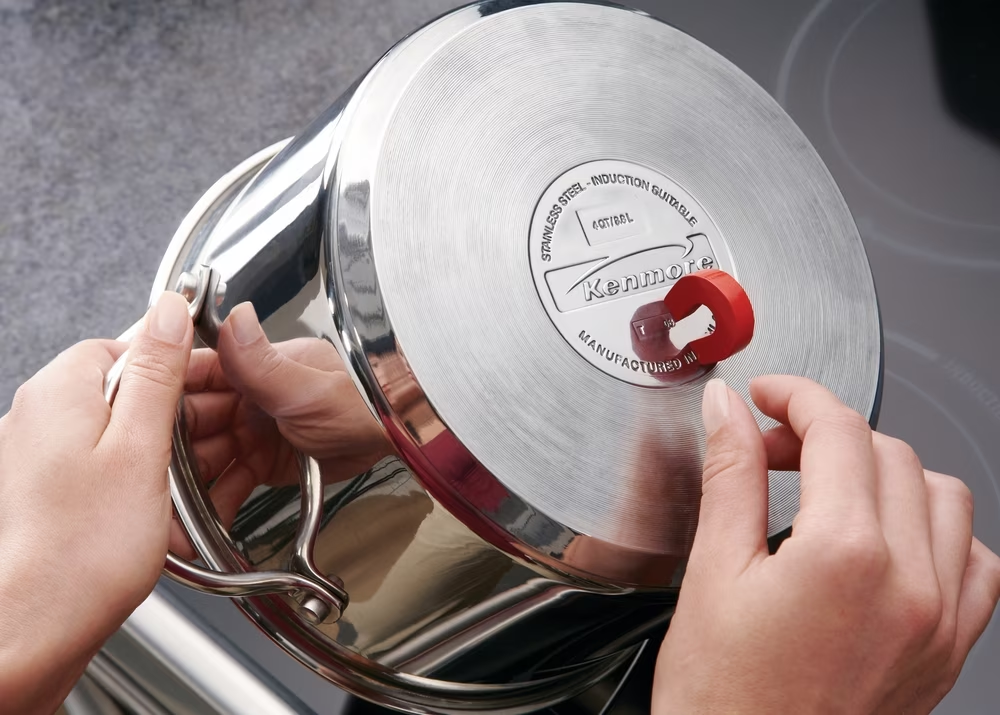
Induction cooking pots have become increasingly popular in recent years, and for good reason. They offer a fast, efficient, and safe way to cook a variety of dishes. But with so many options available, it can be difficult to know where to start. In this article, we’ll explore the world of induction cooking pots, including how to choose the right one for your needs.
What are Induction Cooking Pots?
Induction cooking pots use electromagnetic fields to heat up cookware made of ferromagnetic materials such as stainless steel or cast iron. This type of cooking is called “induction” because it relies on an electric current to generate heat, rather than a flame or open flame.
How Do Induction Cooking Pots Work?
Induction cooking pots work by using a magnetic bottom that interacts with the electromagnetic field generated by the induction cooktop. The magnetic field induces an electric current in the cookware, which then heats up. This process is faster and more energy-efficient than traditional gas or electric stovetops.
Can I Use Any Pot with an Induction Cooktop?
Not all pots are compatible with induction cooking. To use an induction cooktop, your pot must be made of a ferromagnetic material such as stainless steel or cast iron. Additionally, the pot must have a magnetic bottom to interact with the electromagnetic field.
How Do I Know if My Pot is Suitable for Induction Cooking?
To determine if your pot is suitable for induction cooking, look for a specific symbol on the label of purchase or packaging. The induction logo indicates that the pot is compatible with induction cooking. In particular, this symbol indicates that the pot can be used on:
- Radiant ceramic-vetroceramic
- Electric plate
- Classic gas stove
- Oven with temperatures below 210°C
- Washable in a dishwasher
Induction Cooking Pots: Selection Criteria
When choosing an induction cooking pot, there are several factors to consider. These include:
Material
The material of your cookware is crucial when it comes to induction cooking. Look for pots made from stainless steel, cast iron, or ceramic materials that have a magnetic bottom.
Coating and Depth
The coating on your pot can affect the quality of the heat transfer. Look for pots with a non-stick coating or a thermal diffuser for optimal performance.
Thickness of the Bottom
A thicker bottom is generally better for induction cooking, as it allows for more efficient heat transfer.
Induction Pot Options: A Guide
There are several types of induction cookware available, each with its own strengths and weaknesses. Here’s a brief guide to help you choose:
Stainless Steel Pots
Stainless steel pots are a popular choice for induction cooking due to their durability and resistance to corrosion.
Cast Iron Pots
Cast iron pots are a great option for those who want to cook with a traditional material that can be used on the stovetop or in the oven.
Ceramic Pots
Ceramic pots are made from high-quality materials that provide excellent heat transfer and non-stick properties.
Anti-Adhesive Coatings
Some induction cookware comes with anti-adhesive coatings, which can help prevent food from sticking to the pot. These coatings are typically made from silverstone or other materials.
Pricing: A Guide to Induction Cookware
Induction cookware can range in price from under $50 to over $200, depending on the material and brand.
Budget-Friendly Options
For those on a budget, there are several affordable options available that offer good value for money.
Mid-Range Options
Mid-range induction cookware offers a balance between quality and affordability, making it a great option for those who want to invest in their cooking.
High-End Options
For serious cooks, high-end induction cookware offers exceptional performance and durability at a premium price.
Additional Benefits of Induction Cooking Pots
Induction cooking pots offer several additional benefits that make them an attractive choice for home cooks. These include:
- Fast heating times: Induction cooking pots heat up quickly, making it ideal for busy households.
- Energy efficiency: Induction cooking is more energy-efficient than traditional stovetops, which can help reduce your utility bills.
- Safety features: Many induction cookware sets come with built-in safety features, such as automatic shut-off and overheat protection.
Common Mistakes to Avoid When Choosing an Induction Cooking Pot
When choosing an induction cooking pot, there are several common mistakes to avoid. These include:
- Not checking the compatibility of your pot: Make sure that your pot is compatible with your induction cooktop before making a purchase.
- Not considering the material and thickness of the bottom: The material and thickness of the bottom can affect the quality of the heat transfer.
- Not looking for anti-adhesive coatings: Anti-adhesive coatings can help prevent food from sticking to the pot.
Induction Cooking Pots in Different Kitchen Settings
Induction cooking pots are suitable for a variety of kitchen settings, including:
- Small kitchens: Induction cookware is ideal for small kitchens where space is limited.
- Large households: Induction cookware can handle large quantities of food and is ideal for busy households.
- Commercial kitchens: Induction cookware is commonly used in commercial kitchens due to its energy efficiency and durability.
Conclusion
Induction cooking pots offer a fast, efficient, and safe way to cook a variety of dishes. By understanding how they work and choosing the right pot for your needs, you can unlock a world of culinary possibilities.
Frequently Asked Questions (FAQs)
Q: What is induction cooking?
A: Induction cooking uses electromagnetic fields to heat up cookware made of ferromagnetic materials.
Q: Can I use any pot with an induction cooktop?
A: No, not all pots are compatible with induction cooking. Look for a magnetic bottom and specific symbol on the label.
Q: How do I know if my pot is suitable for induction cooking?
A: Check for the induction logo on the label or packaging to ensure compatibility.
Q: What factors should I consider when choosing an induction cookware?
A: Consider material, coating, depth, thickness of the bottom, and price.
Q: Are induction pots more expensive than traditional cookware?
A: Prices vary depending on the brand and quality. Look for affordable options or invest in high-end cookware for exceptional performance.
Q: How do I clean my induction cookware?
A: Follow the manufacturer’s instructions for cleaning and maintenance to ensure optimal performance.
Q: Can I use induction cookware on a gas stove?
A: No, induction cookware is specifically designed for induction cooking. Using it on a gas stove can lead to damage or safety issues.


