
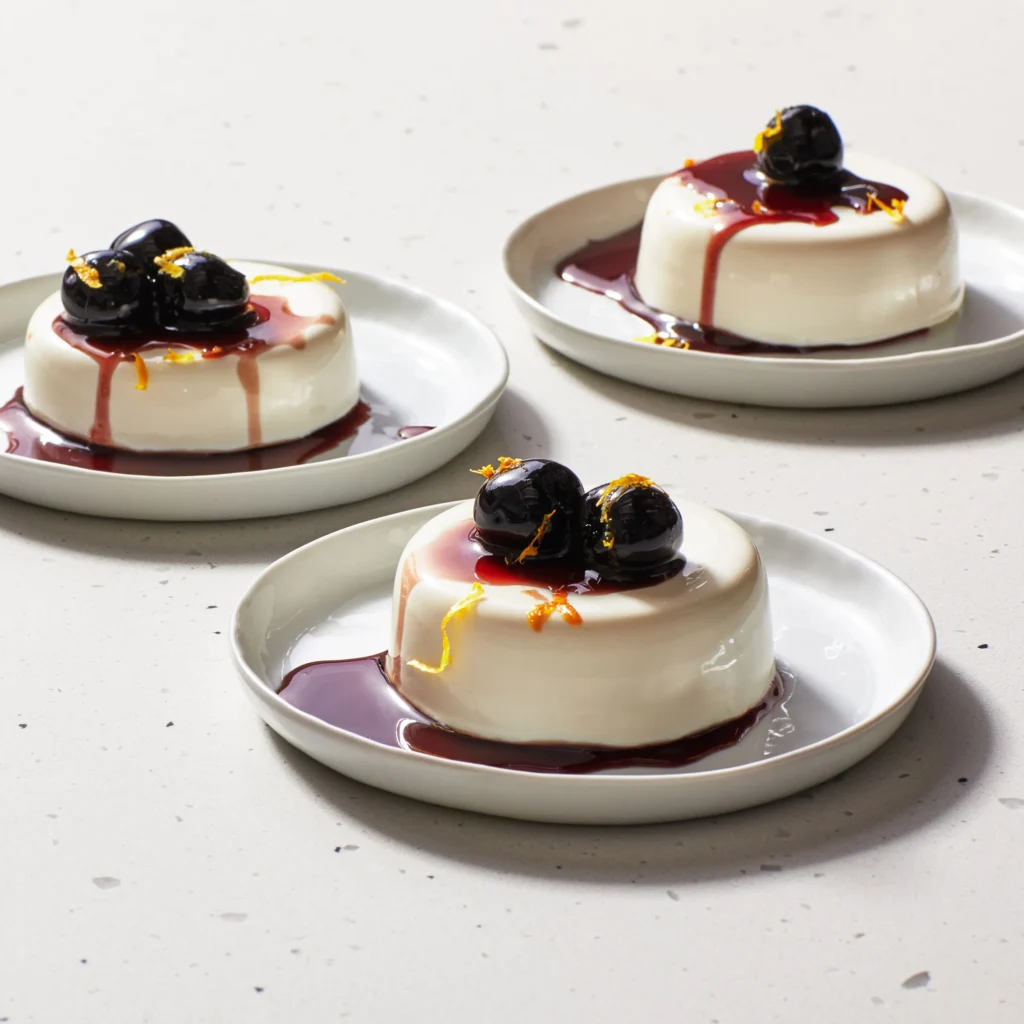
Panna cotta is one of the most popular desserts in Italy, and for good reason. Its delicate flavor makes it an ideal ending to a Sunday lunch or any other sweet occasion. In this article, we’ll explore how to make panna cotta with fresh forest fruits, a simple and budget-friendly recipe.
What is Panna Cotta?
Panna cotta is a type of Italian dessert made from sweetened cream that’s set with gelatin. It’s often served chilled and is characterized by its creamy texture and subtle flavor. When you combine panna cotta with fresh forest fruits, it becomes a match made in heaven.
A Brief History of Panna Cotta
The origins of panna cotta are unclear, but it’s believed to have originated in the 10th century in Italy. The name “panna cotta” literally translates to “cooked cream,” which refers to the process of cooking the cream with sugar and gelatin. Over time, panna cotta has evolved into various flavors and textures, but its core ingredients remain the same.
Ingredients for 4 Servings
- 50g of heavy cream
- 20g of milk
- 140g of granulated sugar
- 10g of gelatin sheets (about 4-6 sheets)
- 200ml of water
- 4 small cups or molds for panna cotta
Decorating with Fresh Forest Fruits
For decoration: 250g of fresh forest fruits (such as strawberries, blueberries, raspberries, or blackberries)
Preparing the Panna Cotta
- Soaking the Gelatin: Soak the gelatin sheets in cold water for 10 minutes to soften them.
- Heating the Cream and Milk: In a saucepan, heat the heavy cream and milk over medium heat until it starts to boil.
- Adding Sugar: Once boiling, add 70g of granulated sugar and stir well to dissolve.
- Cooking the Gelatin: Remove the saucepan from the heat and add half of the softened gelatin sheets. Let them melt into the cream mixture.
- Straining the Fruit: Wash the fresh forest fruits, puree them in a blender or food processor, and strain the mixture through a fine-mesh sieve to remove any seeds or pulp.
- Making the Syrup: In another saucepan, combine 200ml of water and the remaining sugar (140g). Heat the mixture over medium heat until the sugar dissolves, then bring it to a boil.
- Adding Gelatin: Once boiling, add the remaining gelatin sheets and let them dissolve into the syrup.
- Chilling the Panna Cotta: Pour a layer of still-liquid fruit mixture into each cup or mold, followed by a layer of panna cotta mixture. Repeat this process two more times, finishing with a layer of panna cotta on top.
Tips and Variations
- To unmold the panna cotta, dip the cups quickly in boiling water.
- Serve the panna cotta chilled and enjoy it with caramel sauce or melted chocolate for added flavor and texture.
- Experiment with different flavors by using flavored extracts or zests, such as lemon or orange.
- Add a splash of liqueur, like Grand Marnier or Cointreau, to give the panna cotta an adult twist.
- Use other types of milk, like almond or soy milk, for a dairy-free version.
Common Mistakes When Making Panna Cotta
- Overheating the cream: Overheating can cause the cream to scald and separate, resulting in an unpleasant texture.
- Not using enough gelatin: Using too little gelatin can result in a panna cotta that’s too soft and runny.
- Not chilling the mixture long enough: Panna cotta needs time to set properly, so make sure it chills for at least 4 hours or overnight.
Frequently Asked Questions
Q: What is the difference between gelatin sheets and gelatin powder?
A: Gelatin sheets are more commonly used in Italian desserts, while gelatin powder can be substituted as a substitute.
Q: Can I use other types of milk instead of heavy cream?
A: While you can experiment with different milks, heavy cream provides the best flavor and texture for panna cotta.
Q: How long does it take to set the panna cotta in the refrigerator?
A: Panna cotta typically takes at least 8 hours to set in the refrigerator, so plan ahead!
Q: Can I make panna cotta ahead of time?
A: Yes, you can prepare the panna cotta mixture up to a day in advance and store it in the refrigerator until serving.
Q: What is the best way to unmold the panna cotta?
A: To unmold the panna cotta, dip the cups quickly in boiling water. This will help loosen the dessert from the mold.
Q: Can I serve panna cotta with other toppings or flavorings?
A: While traditional panna cotta is paired with fresh forest fruits, you can experiment with different toppings and flavorings to create unique variations.
Q: Is gelatin suitable for vegetarians and vegans?
A: Gelatin is derived from animal products, so it’s not suitable for vegetarians or vegans. You can substitute with agar agar or carrageenan as a vegan alternative.
Storage and Serving
- Leftover panna cotta can be stored in the refrigerator for up to 3 days.
- To serve, gently unmold the panna cotta and place it on a serving plate.
- Garnish with fresh forest fruits, whipped cream, or a drizzle of caramel sauce.
Mini Pannacottas
Mini pannacottas are perfect for parties or events. Simply divide the mixture among smaller cups or molds and chill until set. You can also use mini muffin tins or ramekins to create individual servings.
Variations with Fresh Forest Fruits
Here are some ideas for combining panna cotta with fresh forest fruits:
- Strawberry Panna Cotta: Mix in 100g of pureed strawberries and top with sliced strawberries.
- Blueberry Panna Cotta: Mix in 100g of pureed blueberries and top with fresh blueberries.
- Raspberry Panna Cotta: Mix in 100g of pureed raspberries and top with fresh raspberries.
Tips for Working with Fresh Forest Fruits
- Choose ripe fruits: Make sure the fruits are ripe and sweet to ensure the best flavor.
- Don’t over-mix: Mix the fruit mixture just until combined, as over-mixing can cause the fruits to break down.
- Use a variety of fruits: Mixing different types of fruits will create a colorful and flavorful panna cotta.
By following this simple recipe and exploring the many variations and tips for working with fresh forest fruits, you’ll be well on your way to creating delicious and unique panna cotta desserts at home.


