
Pancreatitis is a painful condition that can be either acute or chronic. While humans are not the only ones to suffer from it, animals such as dogs can also experience the same level of intensity. Let’s explore how to avoid this problem or how to treat it.
Symptoms of Pancreatitis
When we suffer from pancreatitis, we experience a sudden and violent abdominal pain, particularly in the upper part, which can spread to the back. The most critical moment of the day is after meals, when the pain can be even more intense. If you’re experiencing this kind of pain, you may feel like you can’t breathe due to the discomfort.
In addition to pain, other symptoms include nausea and vomiting, particularly bile. During an acute episode, we can also experience fever and signs of severe agitation and shock. However, these symptoms are not as common in chronic pancreatitis.
The severity of pancreatitis symptoms depends on several factors, including the location of the inflammation within the pancreas. The pain is usually felt in the upper abdomen and radiates to the back due to the involvement of the nerves that control this area. In some cases, nausea and vomiting may occur due to the irritation of the stomach lining or the intestines.
If left untreated, acute pancreatitis can lead to life-threatening complications such as organ failure and shock.
Acute Pancreatitis
Acute pancreatitis refers to a general inflammation of the pancreas, which is an organ that plays a crucial role in maintaining digestive and blood sugar balance throughout the body. The acute form is characterized by sudden and violent symptoms, unlike chronic pancreatitis, which develops gradually over time.
The onset of acute pancreatitis usually occurs suddenly, with severe abdominal pain being the first symptom to appear. In some cases, nausea and vomiting may also occur shortly after. Other common symptoms include fever, shock, and changes in blood sugar levels.
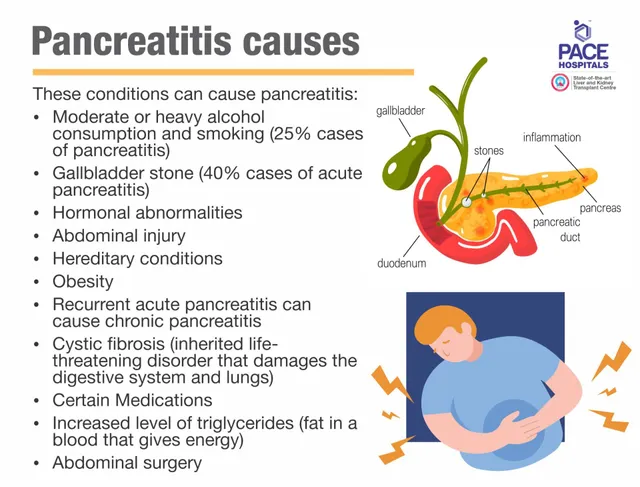
Acute pancreatitis can be caused by a variety of factors, including gallstones, excessive alcohol consumption, certain medications, and traumatic injury to the abdomen. It is estimated that up to 75% of acute pancreatitis cases are caused by gallstones, while obesity is also a significant risk factor for developing this condition.
Chronic Pancreatitis
Unlike the acute form, chronic pancreatitis does not start with immediate pain. Instead, it begins with subtle symptoms that can be easily overlooked. As the condition progresses, we may experience weight loss, digestive issues, and changes in bowel movements, including a decrease in stool quality and an increase in fat content.
Chronic pancreatitis is characterized by persistent inflammation of the pancreas over time. The cause of chronic pancreatitis is often related to underlying factors such as gallstones, pancreatic ductal obstruction, or genetic predisposition. In some cases, there may be no identifiable cause for this condition.
If left untreated, chronic pancreatitis can lead to complications related to diabetes. Diabetes develops when the body is unable to produce enough insulin, a hormone produced by the pancreas that regulates blood sugar levels.
Pancreatitis in Dogs
Dogs can also suffer from this condition, which causes pancreatic swelling. The main causes of pancreatitis in dogs are consuming fatty foods that are difficult to digest, leading to lipid accumulation. Other common causes include obesity, hypercalcemia, certain medications, and traumatic injury to the abdomen.
In some cases, dogs may experience sudden abdominal pain due to a blockage in the bile duct or the pancreatic duct. This can be caused by gallstones, tumors, or other obstructions that can cause inflammation of the pancreas.
Causes of Pancreatitis
While similar to those in humans, the causes of pancreatitis in people differ. Some possible causes include gallstones, poor pancreatic function, inflammation of the sphincter of Oddi, and obstructions that can be exacerbated by hyperparathyroidism and hypercalcemia.
In a clinical context, pancreatitis is linked to pancreatic digestive enzymes produced to protect cells from their damaging action. These enzymes are transported in an inactive form through pancreatic juice and activated in the duodenum, where they aid digestion. The pain we feel is caused by these enzymes activating prematurely, causing inflammation of the gland that produces them.
Dietary Prevention
Eating a balanced diet without overindulging in fatty foods is an excellent way to prevent pancreatitis. A healthy lifestyle is also recommended, as excessive alcohol consumption can lead to pancreatitis. Avoiding diets high in lipids and proteins is crucial.
A study published in the Journal of Clinical Gastroenterology found that people who consumed more than 30 grams of fat per day were at a higher risk for developing acute pancreatitis. On the other hand, eating foods rich in antioxidants such as vitamin C and E may help reduce the risk of this condition.
Natural Remedies
While there is no specific cure for pancreatitis, some natural remedies can help alleviate symptoms and support the healing process. Ginger, turmeric, and other spices have anti-inflammatory properties that may help reduce pain and inflammation associated with pancreatitis.
In addition to these natural remedies, dietary changes such as eating more fiber-rich foods and staying hydrated are also essential in managing pancreatitis. Some studies suggest that omega-3 fatty acids found in fish oil supplements may also help alleviate symptoms of this condition.
Treatment
The treatment for pancreatitis depends on the severity and location of the inflammation within the pancreas. Mild cases of acute pancreatitis can be treated at home with rest, hydration, and pain management. However, severe cases may require hospitalization to manage complications such as shock or organ failure.
In some cases, medication may be prescribed to reduce pain and inflammation. This can include antibiotics, anti-inflammatory medications, and analgesics. In more severe cases, surgery may be necessary to relieve blockages in the bile duct or pancreatic duct.
Complications
Pancreatitis is a serious condition that can lead to life-threatening complications such as organ failure and shock. It is essential to seek medical attention if you experience any symptoms of pancreatitis, especially if they worsen over time or do not improve with treatment.
In addition to these complications, chronic pancreatitis can also lead to diabetes, malnutrition, and weight loss due to the inadequate production of digestive enzymes. In severe cases, pancreatic cancer may develop as a complication of this condition.
Conclusion
Pancreatitis is a painful condition that requires prompt medical attention if symptoms occur. While acute pancreatitis can be life-threatening, chronic pancreatitis can lead to long-term complications such as diabetes and malnutrition. Eating a balanced diet without overindulging in fatty foods and avoiding excessive alcohol consumption are crucial in preventing this condition.
If you’re experiencing any symptoms of pancreatitis or have concerns about your digestive health, it’s essential to consult with a healthcare professional for proper diagnosis and treatment.


