
Introduction
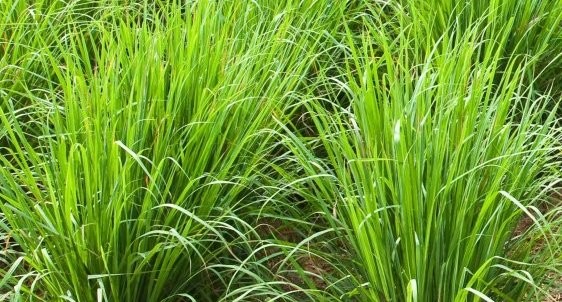
The palmarosa plant, belonging to the Cymbopogon genus, is a close relative of the citronella plant. Despite its similarities, the palmarosa plant has distinct characteristics that make it an attractive choice for cultivation and essential oil production. In this article, we will delve into the world of palmarosa, exploring its history, properties, species, and uses.
The Palmarosa Plant: A Brief Overview
The palmarosa plant is also known as Geranio indiano, Ginger grass, or Rosha. It is native to India and Indocina but has been widely cultivated globally for its aromatic properties. The plant’s unique characteristics make it an ideal choice for essential oil production.
Properties of the Palmarosa Plant
The palmarosa plant contains geraniol, a compound prized for its fragrance and medicinal properties. The essential oil extracted from the plant is rich in geraniol, making it a popular choice for cosmetic applications.
Medicinal Properties
- Natural insect repellent: Palmarosa essential oil has been used as an effective natural insect repellent to ward off mosquitoes, flies, and other pests.
- Antimicrobial properties (fungal diseases): The plant’s antimicrobial properties make it useful in treating fungal diseases such as athlete’s foot and ringworm.
- Effective against nematodes: Palmarosa essential oil has been shown to be effective against nematode parasites that can harm crops.
- Repellent against mosquitoes: The oil’s strong fragrance makes it an effective repellent against mosquitoes, reducing the risk of mosquito-borne diseases.
Cultivation of the Palmarosa Plant
The palmarosa plant is a hardy, sun-loving species that thrives in well-drained soil with a neutral to alkaline pH. It can be cultivated near the coast due to its salt tolerance.
Varieties
- Trishna: A high-geraniol variety developed through cross-breeding of elite varieties for essential oil production.
- Other notable varieties include Geranio indiano, Ginger grass, and Rosha.
Cultivation Methods
- Planting Sow the seeds or transplant seedlings when they reach about 15 cm in height.
- Field preparation: A preliminary plowing is necessary to prepare the field. Rows should be spaced 90 cm apart, with plants 60 cm apart within each row.
Harvesting
- Leaf harvesting at dawn of flowering: Harvesting leaves at dawn during the flowering period yields higher geraniol content and better quality oil.
- Higher yield, but lower quality oil due to reduced geraniol content: Leaf harvesting at any other time may result in a higher yield but lower quality oil.
Cultivation for Profit
The palmarosa plant can be cultivated commercially for essential oil production. One hectare of land requires 2.5 kg of seeds per crop.
Production
- A hectare yields 15-20 tons of grass: The plant’s growth rate and yield make it an attractive choice for commercial cultivation.
- Oil yield: 50-60 kg per year: The essential oil production from a single hectare can range from 50 to 60 kilograms per year.
Challenges in Cultivation
While the palmarosa plant is a valuable crop, it faces several challenges that need to be addressed for successful cultivation:
Pests and Diseases
- Pests: Palmarosa plants are susceptible to pests such as nematodes, whiteflies, and spider mites.
- Diseases: The plant can also fall victim to fungal diseases such as powdery mildew and leaf spot.
Sustainable Cultivation Practices
To ensure sustainable cultivation of the palmarosa plant, several practices can be employed:
Crop Rotation
- Crop rotation is essential for maintaining soil health and reducing pest and disease pressure.
- Rotating with other crops such as soybean or rice helps to break disease cycles.
Conclusion
In conclusion, the palmarosa plant is a versatile and aromatic species that offers numerous benefits for essential oil production. Its hardiness, adaptability to different environments, and high geraniol content make it an attractive choice for commercial cultivation.
Frequently Asked Questions (FAQs)
Q: What is the main use of palmarosa plant?
A: The palmarosa plant is primarily used for essential oil production.
Q: How do you cultivate palmarosa plants?
A: Palmarosa plants are cultivated in well-drained soil with a neutral to alkaline pH. They require full sun and can be grown near the coast due to their salt tolerance.
Q: What is the process of producing palmarosa essential oil?
A: The process involves distillation in corrente di vapore (steam distillation) from the leaves of the palmarosa plant.
Q: How long does it take for a palmarosa plant to mature?
A: A palmarosa plant can be maintained for approximately 8-10 years, with oil production starting at around year five.


