
As a consumer, you may have come across palm oil in your food products or cosmetics, but do you know the full extent of its impact on human health and the environment? In this article, we will delve into the world of palm oil, exploring its production process, effects on human health, environmental concerns, and the importance of choosing sustainable options.
What is Palm Oil?
Palm oil, also known as elaiocarbon or oleic acid, is a saturated non-hydrogenated vegetable oil extracted from various palm species, including Elaeis guineensis, Elaeis oleifera, and Attalea maripa. It has been used in the food industry, cosmetics, and soap-making for decades due to its affordability.
Applications of Palm Oil
Palm oil’s versatility makes it a popular choice in various industries:
- Food: palm oil is used as a cooking fat, adding flavor and texture to processed foods.
- Cosmetics: palm oil is an ingredient in skincare products, such as soaps, lotions, and creams.
- Soap-making: palm oil creates a soap base that is gentle on skin.
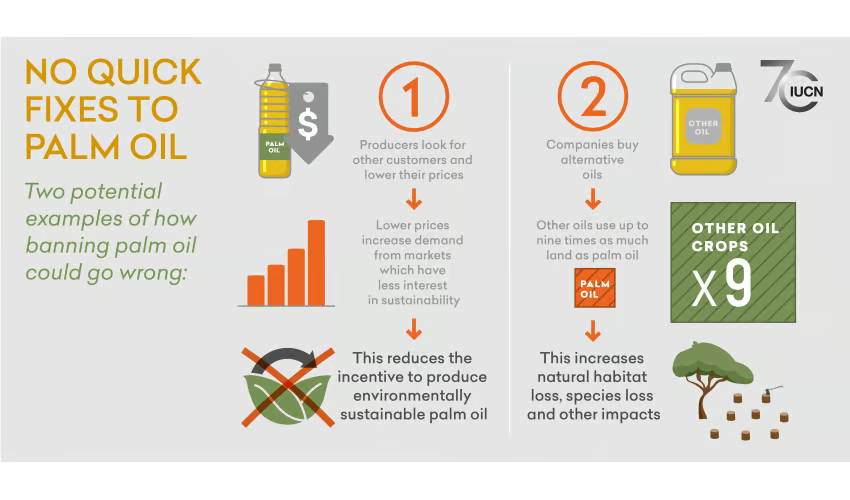
However, with the increasing demand for sustainable products, some manufacturers are now opting for alternatives like coconut oil or olive oil.
The Environmental Impact of Palm Oil
Palm oil production has severe environmental consequences:
- Deforestation: The clearance of forests to make way for palm plantations leads to habitat loss and extinction of species.
- Soil Erosion: Intensive farming practices cause soil degradation, reducing fertility and affecting crop yields.
- Water Pollution: Chemicals used in the production process contaminate water sources, threatening aquatic life.
Human Health Concerns
Palm oil has been linked to several health issues:
- Cardiovascular Disease: Consuming palm oil increases levels of LDL cholesterol, raising heart disease risk.
- Digestive Issues: Some people may experience gastrointestinal problems due to the high saturated fat content.
- Cancer Risks: Certain chemicals used in production have been linked to increased cancer risk.
The Dark Side of Palm Oil: A Threat to Human Health and the Environment
In conclusion, palm oil’s impact on human health and the environment cannot be ignored. As consumers, we must make informed choices by opting for sustainable products and supporting eco-friendly manufacturers.
History of Palm Oil Production
Palm oil production dates back centuries, with ancient civilizations using it as a cooking fat and soap ingredient. In the 19th century, European colonizers introduced new farming techniques, which led to the expansion of palm oil plantations in tropical regions.
Sustainability Initiatives
In recent years, there has been a growing awareness about the environmental impact of palm oil production. To address these concerns, several sustainability initiatives have been launched:
- Roundtable on Sustainable Palm Oil (RSPO): A non-profit organization that promotes sustainable palm oil practices and certifies companies that adhere to its standards.
- Sustainable Palm Oil Certification: A certification program that verifies the sustainability of palm oil production and supply chains.
The Role of Governments in Promoting Sustainability
Governments play a crucial role in promoting sustainability in palm oil production. They can:
- Enact Policies: Implement policies that encourage sustainable practices, such as reforestation programs and habitat conservation.
- Provide Funding: Offer funding for research and development of new, more sustainable farming techniques.
- Support Certification Schemes: Encourage companies to adopt certification schemes, like RSPO, to ensure sustainability.
What Can Consumers Do?
As consumers, we can make a difference by:
- Choosing Sustainable Products: Opt for products that are labeled as sustainably sourced palm oil or use alternatives like coconut oil or olive oil.
- Supporting Eco-Friendly Brands: Choose companies that prioritize sustainability and environmentally friendly practices.
- Advocating for Policy Changes: Encourage governments to enact policies that promote sustainable palm oil production.
Conclusion
Palm oil’s impact on human health and the environment is a complex issue that requires attention from all stakeholders. By understanding the complexities of palm oil, we can make informed decisions that prioritize both human health and environmental sustainability.


