
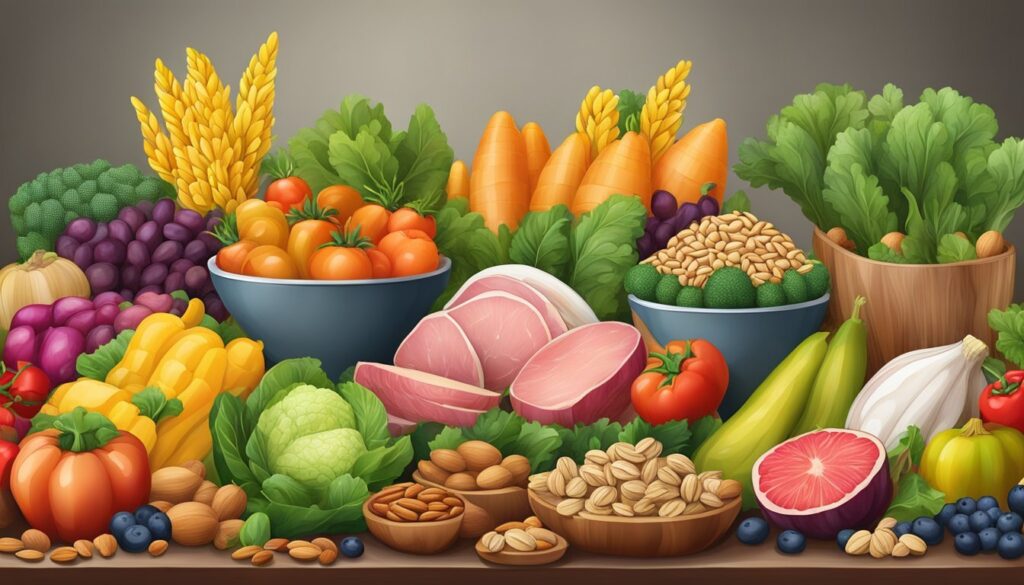
The Paleo Diet is an eating plan that focuses on whole, nutrient-dense foods that our ancestors ate during the Paleolithic era. The diet excludes grains, legumes, dairy products, and processed meats, instead emphasizing lean proteins, fresh vegetables, fruits, nuts, seeds, and healthy fats.
Benefits of the Paleo Diet
The paleo diet has been shown to have several benefits for overall health and well-being. Some of the key advantages include:
- Weight Loss: The paleo diet is often associated with weight loss due to its high-protein, low-carbohydrate nature.
- Improved Digestion: By avoiding grains and legumes, paleo dieters may experience fewer digestive issues and improved gut health.
- Increased Energy: Whole foods provide sustained energy and reduce the need for processed snacks.
- Reduced Inflammation: The emphasis on anti-inflammatory foods like omega-3 rich fish and healthy fats can help reduce chronic inflammation.
Foods to Include in Your Paleo Diet
Here are some delicious and nutritious paleo diet staples:
- Lean meats: grass-fed beef, wild game, poultry
- Fish and seafood: wild-caught fish, shellfish
- Fresh vegetables: leafy greens, non-starchy vegetables, root vegetables
- Fruits: seasonal produce, berries, citrus fruits
- Nuts and seeds: almonds, walnuts, chia seeds, flaxseeds
- Healthy fats: olive oil, coconut oil
Foods to Avoid on a Paleo Diet
Some foods that are not suitable for the paleo diet include:
- Grains: wheat, barley, rice, quinoa, oats
- Legumes: beans, lentils, peanuts, soybeans
- Dairy products: milk, cheese, yogurt, eggs
- Processed meats: hot dogs, sausages, bacon, ham
- Refined sugars: added sugars, honey, maple syrup
Tips for Following a Paleo Diet
Here are some helpful tips to ensure you’re following your paleo diet effectively:
- Eat whole foods: Focus on unprocessed foods like meats, fish, fruits, vegetables, nuts, and seeds.
- Hydrate properly: Drink plenty of water throughout the day to stay hydrated.
- Cook from scratch: Preparing meals from scratch can help ensure you’re getting the nutrients your body needs.
- Be mindful of portion sizes: Pay attention to serving sizes to avoid overeating or under-eating.
Common Questions About Paleo Diets
Here are some frequently asked questions about paleo diets:
- Q: Is a paleo diet suitable for everyone?
A: No, the paleo diet may not be suitable for everyone, particularly those with certain medical conditions or nutritional deficiencies. - Q: How do I get enough calcium on a paleo diet?
A: Calcium is found in many whole foods like dairy products, leafy greens, and fortified plant-based milk. Make sure to include these foods in your diet regularly. - Q: Can I still eat processed meats on a paleo diet?
A: While it’s possible to find some paleo-friendly processed meat options, many processed meats are not suitable for the paleo diet due to high sugar content and other concerns.
Resources
Here are some additional resources for learning more about paleo diets:
- The Paleo Diet: A comprehensive guide to getting started with a paleo diet.
- Paleo Cookbook: A collection of delicious and nutritious recipes to try on your paleo diet.
- Paleo Community: Join online communities or forums to connect with other paleo dieters, share recipes, and get support.
Conclusion
The Paleo Diet is an ancient eating plan that has gained popularity in recent years for its emphasis on whole, nutrient-dense foods. By following a paleo diet, you can improve your overall health and well-being while reducing your environmental impact. With the right knowledge and planning, anyone can thrive on this sustainable and healthy eating plan.


