
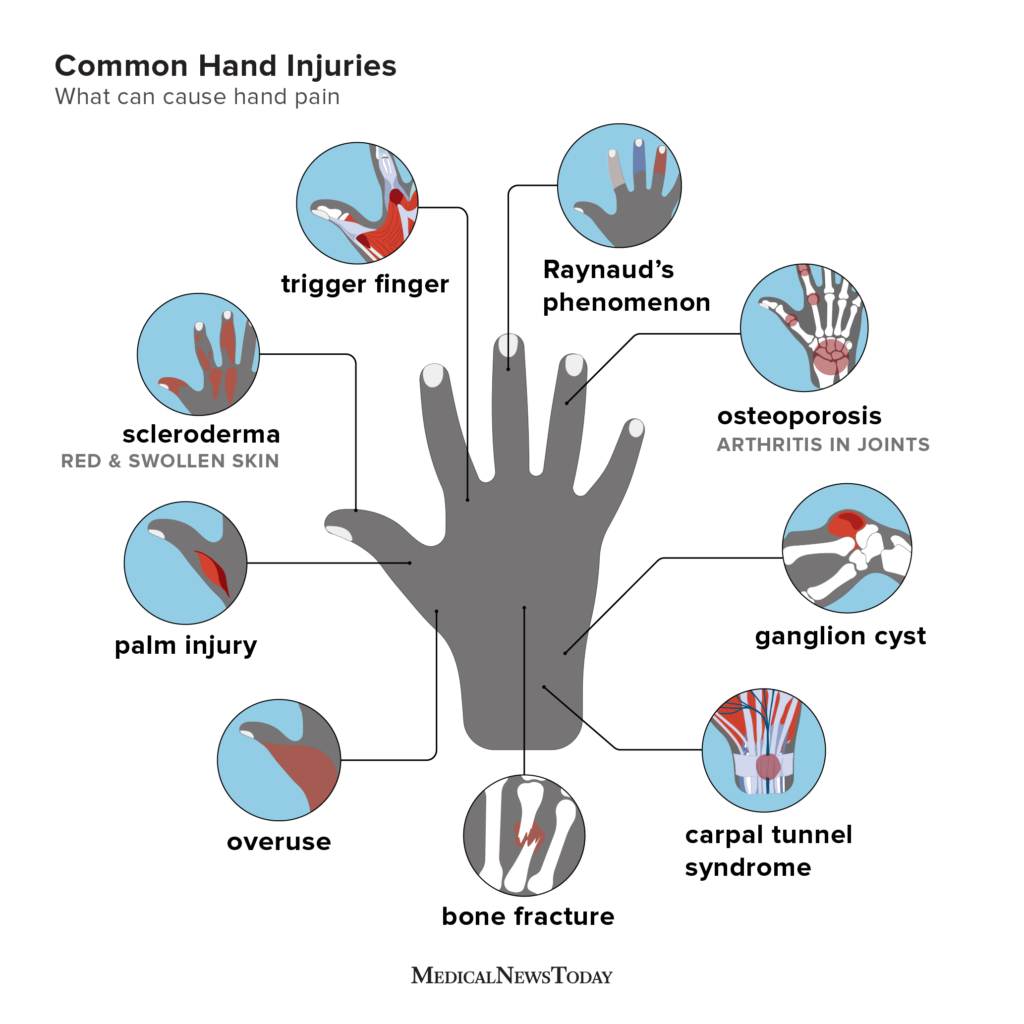
Hand palmar pain is a common condition that can affect one’s ability to perform daily activities with ease. However, the causes of this pain can be numerous, making timely diagnosis challenging. In this article, we will delve into the most common determinants of hand palmar pain, explore its symptoms, and discuss treatment options.
What Causes Hand Palmar Pain?
Hand palmar pain can result from various factors, including injuries, infections, and conditions that affect nerves, blood vessels, or tissues inside the hands. Some of the most common causes of hand palmar pain include:
- Injuries: violent impacts, burns, cuts, bites, stings from insects, overuse or excessive stretching of the hand
- Infections: infected cuts or wounds, abscesses, and sepsis
- Carpal Tunnel Syndrome: compression or inflammation of the median nerve and tendons in the wrist
- Peripheral Neuropathy: conditions that affect nerves in the extremities, including hands and feet
- Vasculitis: inflammation of blood vessels that can cause pain, numbness, or tingling
Carpal Tunnel Syndrome: A Common Cause of Hand Palmar Pain
Carpal tunnel syndrome is a condition that affects the median nerve and tendons in the wrist, causing compression or inflammation. Symptoms of carpal tunnel syndrome include:
- Pain in the wrist, palm, and fingers
- Numbness or tingling in the palm of the hand and fingers
- Weakness in the hand or reduced ability to grasp objects
- Symptoms often start gradually and may worsen at night or when waking up
Risk factors for carpal tunnel syndrome include:
- Injuries that cause swelling in the hands and wrists
- Performing repetitive tasks with the hands regularly
- Frequent use of vibrating tools
- Pregnancy
- Diabetes
- Family history of carpal tunnel syndrome
Treatment Options for Carpal Tunnel Syndrome
Treatment for carpal tunnel syndrome typically involves non-surgical methods, such as:
- Wearing a splint or brace to reduce pressure on the median nerve
- Avoiding or modifying activities that exacerbate symptoms
- Taking over-the-counter pain relievers like aspirin and ibuprofen
- Receiving prescription medications like steroids or lidocaine injections
In cases of severe or difficult-to-treat symptoms, surgery may be recommended to reduce pressure on the median nerve.
Infections: A Serious Threat to Hand Health
If a cut or wound on the palmar surface of the hand becomes infected, it can cause pain and swelling. Symptoms of an infected cut or wound include:
- Pus
- Redness around the affected area
- Warmth in the surrounding skin
- Fever
- General discomfort
It is essential to seek medical attention promptly if experiencing symptoms of an infected wound.
Peripheral Neuropathy: A Common Cause of Hand Pain
Peripheral neuropathy refers to conditions that affect nerves in the extremities, including hands and feet. In the hands and fingers, peripheral neuropathy can cause:
- Intense pain
- Burning sensations
- Numbness or tingling
- Weakness
- Difficulty moving or using the hand when grasping objects
Diabetes and physical injuries are common causes of peripheral neuropathy. Other causes include autoimmune conditions like rheumatoid arthritis and lupus, reduced oxygen supply to nerves due to conditions like atherosclerosis and vasculitis, and nutritional imbalances such as vitamin B-12 deficiency.
Treatment Options for Peripheral Neuropathy
Treatment for peripheral neuropathy usually begins by addressing the underlying cause. For example, managing blood sugar levels in individuals with diabetes can help alleviate peripheral neuropathy symptoms. Doctors may also prescribe medications to relieve pain, including antidepressants, anticonvulsants, and topical creams.
Vasculitis: A Rare but Serious Condition
Vasculitis is inflammation of blood vessels that can affect many parts of the body. When vasculitis affects the hands, it can cause:
- Pain
- Numbness or tingling
- Sensations of burning
- Weakness
Treatment depends on the type of vasculitis and the location and severity of symptoms. However, it often involves using anti-inflammatory medications like steroids.
Fascia Palmar: A Rare Medical Condition
Fascia palmar is a rare medical condition that causes inflammation of the palmar fascia, an expanded layer of tissue connecting the palm of the hand to the fingers. Inflammation can make it difficult or painful for someone to straighten their fingers. Typically affects both hands and more common in people with polyarthritis.
Treatment options for fascia palmar include:
- Deep tissue massages
- Pain relievers
- Steroid therapy to alleviate inflammation
Prevention Strategies
Preventing hand palmar pain requires regular exercise, proper ergonomics, and avoiding repetitive strain injuries. Some effective prevention strategies include:
- Maintaining a healthy weight
- Engaging in exercises that strengthen the hands and wrists, such as grip strengthening exercises and finger bends
- Using ergonomic tools and equipment to reduce strain on the hands
- Taking regular breaks to rest the hands during repetitive tasks
Conclusion
Hand palmar pain is a complex condition that can result from various factors. Understanding the causes, symptoms, and treatment options of hand palmar pain is crucial for effective management. If you are experiencing persistent or severe hand pain, consult your doctor to determine the best course of action.
Frequently Asked Questions (FAQs)
- What is the most common cause of hand palmar pain?
The most common causes of hand palmar pain include injuries, infections, and conditions that affect nerves, blood vessels, or tissues inside the hands.
2. How can I treat carpal tunnel syndrome?
Treatment for carpal tunnel syndrome typically involves non-surgical methods, such as wearing a splint or brace, avoiding or modifying activities that exacerbate symptoms, and taking over-the-counter pain relievers like aspirin and ibuprofen.
3. What are the symptoms of peripheral neuropathy?
The symptoms of peripheral neuropathy include intense pain, burning sensations, numbness or tingling, weakness, and difficulty moving or using the hand when grasping objects.
4. Can vasculitis be cured?
Vasculitis is a chronic condition that requires ongoing management. Treatment depends on the type of vasculitis and the location and severity of symptoms.
5. What are the treatment options for fascia palmar?
Treatment options for fascia palmar include deep tissue massages, pain relievers, and steroid therapy to alleviate inflammation.
6. How can I prevent hand palmar pain?
Preventing hand palmar pain requires regular exercise, proper ergonomics, and avoiding repetitive strain injuries.
7. Can I treat hand palmar pain at home?
While some symptoms of hand palmar pain can be treated at home, it is essential to consult a doctor for proper diagnosis and treatment.
8. Are there any long-term effects of untreated hand palmar pain?
Untreated hand palmar pain can lead to chronic conditions such as peripheral neuropathy, vasculitis, or fascia palmar.
Additional Tips and Reminders
- Always seek medical attention if experiencing symptoms of an infected wound or other serious condition.
- Maintain a healthy weight to reduce strain on the hands and wrists.
- Engage in regular exercise to strengthen the hands and wrists.
- Use ergonomic tools and equipment to reduce strain on the hands.
- Take regular breaks to rest the hands during repetitive tasks.
By understanding the causes, symptoms, and treatment options of hand palmar pain, individuals can take effective steps to manage their condition and prevent future episodes. If you are experiencing persistent or severe hand pain, consult your doctor to determine the best course of action.


