
Understanding the Ozone Layer
The ozone layer is a crucial component of our atmosphere that protects us from harmful ultraviolet (UV) radiation. But what exactly is it? In this article, we’ll delve into the world of ozone, its importance, and the impact of human activities on its health.
What Is Ozone?
Ozone (O3) is a molecule made up of three oxygen atoms. It’s formed when oxygen molecules (O2) are energized by ultraviolet radiation from the sun. In simple terms, oxygen molecules rise into the stratosphere and transform into ozone.
The formation of ozone occurs through a complex process involving oxygen radicals, which are highly reactive species that can react with each other to form ozone. This process is known as the “ozone cycle,” and it’s essential for maintaining the balance of the atmosphere.
Why Is Ozone Important for Life on Earth?
Ozone plays a vital role in protecting life on Earth from harmful UV radiation. The radiation can cause genetic mutations, leading to cancer, premature aging, and even death. Without ozone, life as we know it wouldn’t be possible.
Ultraviolet (UV) radiation is made up of three main types: UVA, UVB, and UVC. UVA and UVB are the most harmful types of UV radiation, as they can cause damage to DNA and lead to skin cancer.
Ozone protects us from UVC radiation by absorbing it, which prevents it from reaching the Earth’s surface. This protection is especially crucial for life on Earth, as UVC radiation would be lethal to most living organisms.
The Ozone Hole: A Threat to Life on Earth
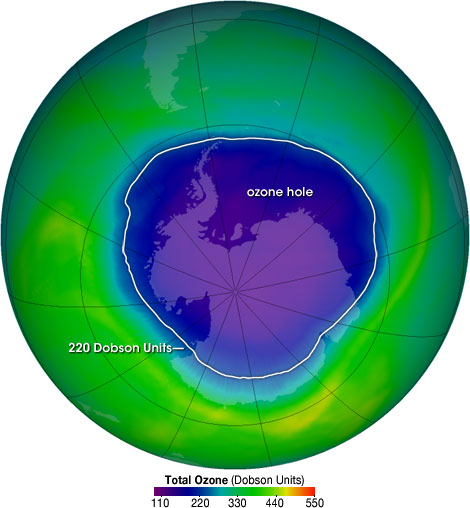
The ozone hole is a critical concept that highlights the impact of human activities on the ozone layer. It refers to a region in the stratosphere where the ozone concentration is depleted, allowing harmful UV radiation to penetrate through. The most significant ozone hole occurs over Antarctica and has been linked to human activities such as the use of chlorofluorocarbons (CFCs).
What Is the Ozone Hole?
The ozone hole isn’t just a simple “hole” in the ozone layer. It’s actually a complex phenomenon that involves a reduction in ozone concentration, mainly during spring. The depletion can be up to 71% in Antarctica and 40% in the Arctic region. This reduction is equivalent to an “assottigliamento dell’ozonosfera,” or a thinning of the ozone layer.
The ozone hole forms when CFCs reach the stratosphere, where they’re broken down by ultraviolet radiation, releasing chlorine atoms that can catalytically destroy ozone molecules. The depletion of ozone in the stratosphere leads to an increase in UV radiation reaching the Earth’s surface, posing a significant threat to life on Earth.
The Impact of Human Activities
Human activities, particularly the use of CFCs, have contributed significantly to the depletion of the ozone layer. CFCs are a type of synthetic chemical that was widely used as refrigerants, propellants, and solvents. However, these substances were found to be highly toxic to ozone-depleting enzymes in the stratosphere.
The Montreal Protocol, an international agreement signed in 1987, aimed to reduce the production and consumption of CFCs and other ozone-depleting substances. The protocol has been instrumental in reducing the concentration of CFCs in the atmosphere, leading to a slow recovery of the ozone layer.
Recovery Efforts: A Glimmer of Hope
Despite the challenges, there’s reason for optimism. Recent studies suggest that the ozone hole is starting to close. For instance, a 2017 study published in Science reported that the ozone layer over Antarctica has started to recover since 2000, with an estimated 4 million square kilometers (1.5 million square miles) of area recovering every year.
The recovery process is slow and uneven, and it will likely take several decades for the ozone layer to fully recover. However, this progress offers hope that we can mitigate the effects of human activities on the ozone layer.
Challenges Ahead
While progress has been made, there’s still work to be done. The recovery process is complex and requires ongoing efforts from governments, industries, and individuals.
The ozone layer continues to face threats from other human activities, such as air travel, industrial emissions, and climate change. These factors can still impact the ozone layer even after CFCs have been phased out.
Conclusion
The ozone hole is a pressing issue that requires our attention and action. By understanding the science behind ozone depletion and recovery efforts, we can work together to protect this vital component of our atmosphere.
Individual actions, such as reducing carbon emissions, using renewable energy sources, and protecting natural habitats, can contribute significantly to mitigating the impact of human activities on the ozone layer.
Frequently Asked Questions
- Q: What causes the ozone hole?
A: The main cause is the release of chlorofluorocarbons (CFCs), which deplete the ozone layer. - Q: How much has the ozone hole decreased?
A: The concentration of ozone in the stratosphere over Antarctica has decreased by up to 71%. - Q: What is being done to protect the ozone layer?
A: International agreements, such as the Montreal Protocol, have been implemented to limit and eventually ban CFCs. - Q: How long will it take for the ozone layer to recover?
A: It’s estimated that the recovery process will take several decades, with some areas recovering faster than others. - Q: Can air travel and industrial emissions affect the ozone layer?
A: Yes, these activities can still impact the ozone layer even after CFCs have been phased out. - Q: What is being done to monitor ozone levels?
A: Scientists use a range of methods, including satellite imaging and ground-based observations, to track changes in ozone levels. - Q: Can we do anything to help protect the ozone layer?
A: Yes, individuals can reduce their carbon footprint by using public transport, carpooling, or driving electric vehicles.
Recommendations for Protecting the Ozone Layer
- Reduce carbon emissions by transitioning to renewable energy sources and increasing energy efficiency.
- Use eco-friendly products that are free from ozone-depleting substances.
- Support policies and initiatives aimed at protecting the ozone layer, such as the Montreal Protocol.
- Educate yourself and others about the importance of ozone protection.
- Advocate for stricter regulations on air travel and industrial emissions to reduce their impact on the ozone layer.
By taking these steps, we can work together to protect this vital component of our atmosphere and ensure a healthy and thriving planet for future generations.


