
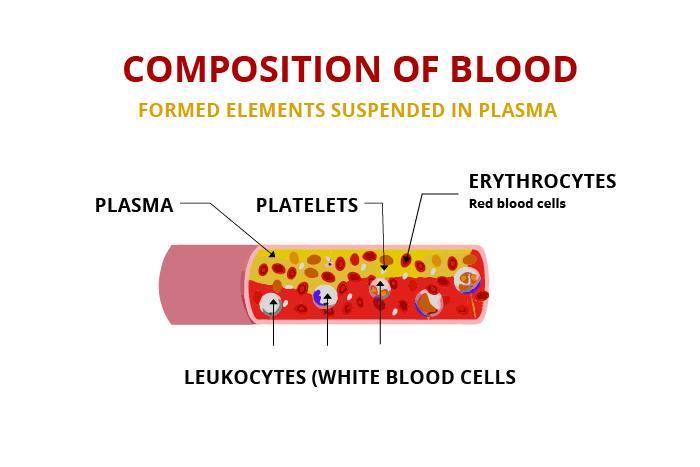
Cow blood fertilizer has been a popular natural alternative for gardeners and farmers looking to promote plant growth and improve soil health. Made from cow blood, this organic fertilizer is rich in nitrogen (N), essential for plant development and overall health. In this article, we will delve into the composition, uses, benefits, and more of cow blood fertilizer.
What is Cow Blood Fertilizer?
Cow blood fertilizer is a type of natural fertilizer made from cow blood, which is rich in nitrogen (N). The production process involves collecting cow blood, often from dairy farms or slaughterhouses, and mixing it with other natural ingredients such as molasses from sugar cane or beetroot. This mixture creates a liquid or powder form of the fertilizer that can be applied to various plants.
History of Cow Blood Fertilizer
The use of animal blood in fertilizers dates back thousands of years, with ancient civilizations using it to promote plant growth and improve soil health. In modern times, however, many manufacturers have switched to using synthetic alternatives or plant-based ingredients. Today, cow blood fertilizer is made from a combination of blood and other natural ingredients.
How is Cow Blood Fertilizer Made?
The production process for cow blood fertilizer varies depending on the manufacturer. Some companies may still use animal blood, while others may use synthetic alternatives or plant-based ingredients. The resulting product can range in consistency from liquid to powder.
- Liquid Form: This form of fertilizer is often created by mixing cow blood with water and other natural ingredients.
- Powdered Form: This type of fertilizer is made by drying the mixture of cow blood and other ingredients into a powder that can be easily applied to plants.
- Granular Form: Some manufacturers create a granular form of cow blood fertilizer, which is easier to apply and can be used on a wider range of crops.
Benefits of Using Cow Blood Fertilizer
Cow blood fertilizer offers several benefits for gardeners and farmers. Here are some of the key advantages:
- Rich in Nitrogen: Cow blood fertilizer is rich in nitrogen (N), essential for plant growth and development.
- Improves Soil Health: The natural ingredients used to make cow blood fertilizer help improve soil health by increasing nutrient availability and structure.
- Can be Used on a Wide Range of Plants: Cow blood fertilizer can be applied to various plants, including fruits, vegetables, flowers, and more.
Using Cow Blood Fertilizer: Tips and Tricks
Before using cow blood fertilizer, it’s essential to understand how to use it effectively. Here are some tips:
- Dilute the Fertilizer: Always dilute the fertilizer according to the manufacturer’s instructions to avoid over-fertilizing.
- Apply at Regular Intervals: Apply the fertilizer at regular intervals (usually every 10-14 days) during the growing season to promote optimal growth.
- Avoid Over-Fertilizing: Avoid over-fertilizing, as this can harm plants and contaminate soil.
Choosing the Right Cow Blood Fertilizer
With so many products available on the market, selecting the right cow blood fertilizer can be overwhelming. Here are some factors to consider:
- Look for Certifications: Choose products that are certified organic or non-GMO to ensure they meet your environmental standards.
- Consider Added Nutrients: Look for products with added nutrients, such as iron or zinc, for enhanced plant growth.
- Check the Cost and Availability: Consider the cost and availability of different products when making your final decision.
Cow Blood Fertilizer vs. Synthetic Alternatives
While synthetic fertilizers may seem like a convenient option, they often come with negative environmental impacts. Cow blood fertilizer, on the other hand, is a natural, eco-friendly alternative that can promote soil health and plant growth.
- Natural Ingredients: Cow blood fertilizer is made from natural ingredients that are free from synthetic chemicals and additives.
- Environmentally Friendly: The production process for cow blood fertilizer is generally considered environmentally friendly, with fewer emissions and waste products compared to synthetic fertilizers.
- Promotes Soil Health: Cow blood fertilizer helps promote soil health by increasing nutrient availability and structure, leading to healthier plants and a more sustainable gardening practice.
Conclusion
Cow blood fertilizer is a versatile, natural fertilizer made from cow blood that can benefit a wide range of plants. By understanding its composition, uses, and benefits, gardeners and farmers can harness its power to improve crop yields and promote sustainable gardening practices.
Frequently Asked Questions
- Q: Is Cow Blood Fertilizer Safe for Human Consumption?
A: No, it is not recommended to consume cow blood fertilizer or any other animal by-products as they may contain harmful bacteria or contaminants. - Q: How Long Does It Take for Cow Blood Fertilizer to Work?
A: The exact time frame will depend on the specific product and application method. However, most products begin to show results within 10-14 days of regular application. - Q: Can I Use Cow Blood Fertilizer on All Types of Plants?
A: While cow blood fertilizer is versatile, it’s essential to follow recommended application rates and guidelines for specific plant species to avoid over-fertilization or nutrient imbalances. - Q: How Often Should I Apply Cow Blood Fertilizer?
A: Regular application intervals vary depending on the product and growth stage. Typically, fertilizers are applied every 10-14 days during the growing season, with a reduced schedule for dormant periods. - Q: Are There Any Potential Environmental Risks Associated with Cow Blood Fertilizer?
A: While cow blood fertilizer is generally considered safe for soil health, improper disposal or excess application can lead to water pollution and harm aquatic ecosystems.


