
Understanding Oviparity and Viviparity: The Reproductive Strategies of Vertebrates
Oviparity, viviparity, and ovoviviparity are three distinct reproductive strategies employed by vertebrates. While these terms may seem similar, each has its unique characteristics and applications in the natural world. In this article, we will delve into the definitions, temporalities, and examples of each reproductive strategy, exploring their differences and similarities.
Oviparity: The Reproduction Strategy of Egg-Laying
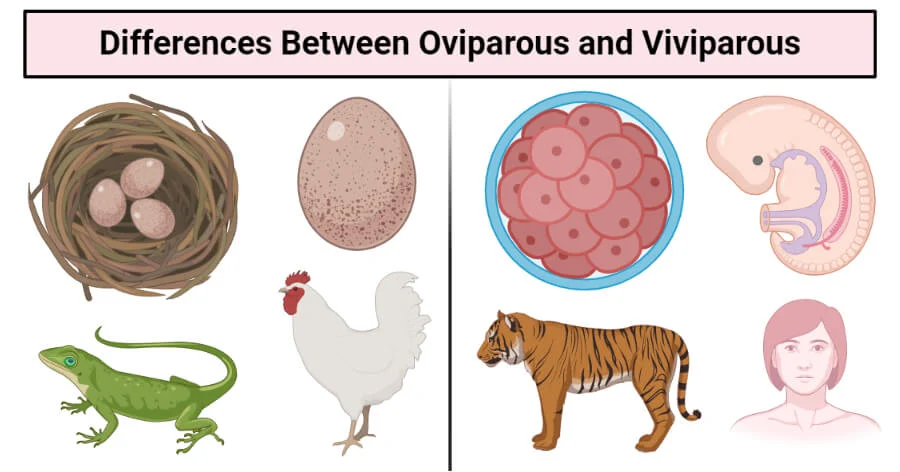
Oviparity is the process by which females deposit eggs outside their bodies, allowing them to incubate and develop independently. Animals such as birds, reptiles, amphibians, insects, and arachnids are oviparous, while fish and some mammals exhibit ovoviviparity or viviparity.
Key Characteristics of Oviparity:
- The eggs are laid outside the mother’s body, where they incubate and develop independently.
- The female provides no direct nourishment to the developing embryo.
- The incubation period can vary greatly depending on the species, ranging from a few weeks to several months.
Examples of Oviparous Species:
- Birds (e.g., chickens, robins)
- Reptiles (e.g., turtles, lizards)
- Amphibians (e.g., frogs, salamanders)
- Insects (e.g., butterflies, beetles)
- Arachnids (e.g., spiders, scorpions)
Oviparity in Fish and Mammals:
While many fish are oviparous, some species exhibit ovoviviparity or viviparity. For instance:
- The lionfish is an oviparous species that lays eggs outside its body.
- Some species of sharks and rays exhibit ovoviviparity, where the eggs develop inside the mother’s body before hatching.
Viviparity: The Reproduction Strategy of Direct Development
Viviparity is the process by which the embryo develops directly within the mother’s body, receiving nourishment from her tissues. This strategy is observed in mammals, some reptiles, and amphibians.
Key Characteristics of Viviparity:
- The embryo develops inside the mother’s body, where it receives direct nourishment.
- The gestation period can vary greatly depending on the species, ranging from a few weeks to several months or even years.
- The young are often born alive and may receive additional care from their mothers.
Examples of Viviparous Species:
- Mammals (e.g., humans, dogs, whales)
- Some reptiles (e.g., boas, pythons)
- Amphibians (e.g., certain species of frogs)
Viviparity in Fish and Insects:
While most fish are oviparous, some species exhibit viviparity or ovoviviparity. For instance:
- The African lungfish is a viviparous species that gives birth to live young.
- Some species of ants exhibit viviparity, where the embryos develop inside the mother’s body before hatching.
Ovoviviparity: The Reproductive Strategy of Indirect Development
Ovoviviparity is the process by which eggs are fertilized inside the mother’s body but remain outside her tissues. This strategy is observed in some species of fish, reptiles, and insects.
Key Characteristics of Ovoviviparity:
- The eggs are fertilized inside the mother’s body.
- The embryos develop outside the mother’s tissues, often without receiving direct nourishment.
- The young may hatch from eggs or be born alive.
Examples of Ovoviparous Species:
- Some species of fish (e.g., sharks, rays)
- Reptiles (e.g., certain species of turtles)
- Insects (e.g., certain species of beetles)
Now that you know the differences between oviparity, viviparity, and ovoviviparity, it’s time to explore the fascinating world of vertebrate reproduction. From the intricate details of egg-laying to the complex processes of direct development, each reproductive strategy offers a unique window into the biology and diversity of life on Earth.
Frequently Asked Questions:
- What is the primary difference between oviparity and viviparity?
- The main distinction lies in the location of embryonic development: oviparous species lay eggs outside their bodies, while viviparous species develop embryos directly within their bodies.
- Which vertebrates exhibit ovoviviparity?
- Ovoviviparity is observed in some species of fish, reptiles, and insects.
- How do mammals typically give birth to live young?
- Mammals usually produce young that are born alive and may receive additional care from their mothers.
- What is the purpose of placenta development in viviparous mammals?
- The placenta allows for direct exchange of nutrients and oxygen between the mother’s body and the developing embryo, ensuring proper nourishment and growth.
- Can fish exhibit viviparity or ovoviviparity?
- Some species of fish, such as sharks and rays, can display viviparity or ovoviviparity, depending on the specific species and environmental conditions.
Conclusion
In conclusion, understanding oviparity, viviparity, and ovoviviparity is essential for appreciating the diversity and complexity of vertebrate reproduction. By recognizing these reproductive strategies and their unique characteristics, we can gain a deeper insight into the biology and evolution of life on Earth.


