
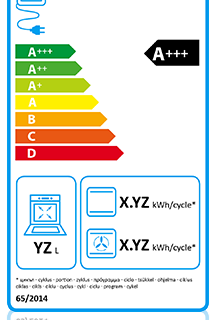
As an essential appliance, ovens consume a significant amount of energy. The European Union’s Directive 2002/40/Ce mandated the use of energy labels for ovens in 2002, and as of January 1st, 2015, a new energy label for electric and gas ovens came into effect.
In this article, we’ll explore how to calculate your oven’s energy consumption, understand the energy classes available, and provide guidance on reading and interpreting the energy label on your oven.
Understanding Energy Labels
The energy label on your oven displays essential information about its performance. The label includes:
- Model number and manufacturer: This information helps you identify the specific model of your oven.
- Product identity card: The product identity card contains a unique code that allows for easy identification and verification of the product’s authenticity.
- Energy class: The energy class indicates the oven’s efficiency, ranging from A+++ to D. The more efficient the oven, the lower its energy consumption.
- Capacity: The capacity is expressed in liters and refers to the volume of the oven’s cooking compartment.
- Energy consumption: This value represents the amount of energy consumed by the oven during a single cycle.
To better understand these values, let’s take a closer look at the two different energy consumption indicators:
- Static convection (traditional) consumption: This indicator shows the energy consumed during static cooking, which is the most common type of cooking.
- Ventilated consumption: The lower-energy consuming indicator shows the energy used when using a ventilation function.
Why Are Energy Labels Important?
Energy labels provide crucial information about your oven’s efficiency and energy consumption. By understanding the energy class, capacity, and energy consumption, you can make informed decisions about your appliance’s performance and maintenance needs.
Here are some tips for reducing your oven’s energy consumption:
- Regular cleaning: Regularly clean your oven to ensure optimal performance and reduce energy waste.
- Heat residue management: Utilize the heat residue in the oven after cooking to save energy.
- Limited door opening: Minimize door openings during cooking to prevent unnecessary energy loss.
By implementing these strategies, you can enjoy more efficient and cost-effective cooking with your oven.
Frequently Asked Questions (FAQs)
Here are some frequently asked questions about energy labels on ovens:
- What is the difference between static convection and ventilated consumption?
Energy labels display two different indicators for energy consumption: static convection and ventilated consumption. The first indicator represents traditional cooking, while the second indicator shows the energy consumed when using a ventilation function. - How can I determine my oven’s energy class?
To find out your oven’s energy class, refer to the energy label on your appliance. Look for the energy class designation (A+++ to D) and compare it to other ovens you’re considering purchasing. - What is the meaning of capacity in terms of cooking volume?
The capacity listed on the energy label represents the oven’s cooking compartment volume in liters. - Can I improve my oven’s energy efficiency by cleaning it regularly?
Yes, regular cleaning can help maintain your oven’s performance and reduce energy consumption.
Interpreting Energy Labels: A Step-by-Step Guide
To get the most out of your oven and optimize its energy efficiency, understanding the energy label is essential. Here’s a step-by-step guide on how to interpret the information displayed:
- Model number and manufacturer: Identify the specific model of your oven by reading the model number and manufacturer listed on the energy label.
- Product identity card: Find the product identity card, which contains a unique code that verifies the product’s authenticity.
- Energy class: Look for the energy class designation (A+++ to D) and compare it to other ovens you’re considering purchasing.
- Capacity: Note down the capacity listed on the energy label in liters, representing the oven’s cooking compartment volume.
- Static convection consumption: Read the static convection consumption value, indicating the energy consumed during traditional cooking.
- Ventilated consumption: Look for the ventilated consumption value, showing the energy used when using a ventilation function.
By understanding these values, you can make informed decisions about your oven’s performance and maintenance needs.
Tips for Choosing an Energy-Efficient Oven
When selecting an oven, consider the following tips to ensure you choose an energy-efficient model:
- Check the energy class: Look for ovens with a high energy class designation (A+++ or A).
- Compare energy consumption values: Compare the static convection and ventilated consumption values of different models.
- Consider capacity: Choose an oven with a sufficient cooking compartment volume to meet your needs.
By following these tips, you can find an oven that balances performance, efficiency, and cost-effectiveness.
Conclusion
Energy labels on ovens provide crucial information about their efficiency and energy consumption. By understanding the energy class, capacity, and energy consumption values displayed, you can make informed decisions about your appliance’s performance and maintenance needs.
Regular cleaning, heat residue management, and limited door opening can help reduce your oven’s energy consumption. Implementing these strategies will enable you to enjoy more efficient and cost-effective cooking with your oven.
Remember to check the energy class, compare energy consumption values, and consider capacity when selecting an oven. By following these tips, you can find an oven that balances performance, efficiency, and cost-effectiveness.


