
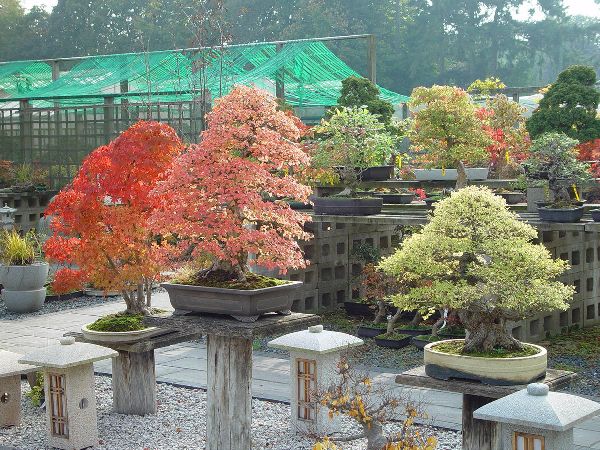
Introduction
If you’re considering creating a serene Zen-style garden, one of your most important decisions will be choosing the right outdoor bonsai trees. While many people think that only certain species can thrive indoors, the truth is that any tree can be grown as a bonsai, regardless of its natural environment. In this article, we’ll explore the world of outdoor bonsai cultivation and highlight some of the most resilient and easy-to-grow species perfect for your specific climate.
What are Outdoor Bonsai Trees?
Outdoor bonsai trees are those that can tolerate various climates, from warm to cold. Unlike their indoor counterparts, which require careful pruning and lighting, these trees can thrive in their natural environment, with minimal maintenance. This makes them an excellent choice for gardeners who want to create a stunning outdoor space without the hassle of constant care.
Choosing the Right Species
When selecting a species for your outdoor bonsai, consider factors such as climate, soil type, and sunlight exposure. For instance, if you live in a region with mild winters and hot summers, a Mediterranean species like the lemon or orange might be perfect. On the other hand, if you reside in an area with harsh winters, choose a species that can tolerate cold temperatures.
Mediterranean Bonsai Trees
Trees native to the Mediterranean region are ideal for outdoor bonsai cultivation, particularly in southern Italy. These trees have adapted to thrive in the region’s warm climate and dry soil. Some popular options include:
- Lemon (Citrus limon)
- Calamondin (Citrus microcarpa)
- Mandarin (Citrus reticulata)
- Citrus mitis (mandarino nano)
These trees produce beautiful evergreen bonsai that bloom with flowers and fruits when needed. Additionally, olive trees (Olea europaea) like Sylvestris are suitable for bonsai cultivation.
Evergreen vs. Deciduous Species
Not all outdoor bonsai trees are evergreen. Some species, like melograno (Punica granatum) and melo cotogno (Malus domestica), shed their leaves during winter, requiring special care to protect them from harsh weather conditions.
Bonsai Trees Resistant to Cold
If you live in an area with cold winters, look for species that can tolerate these temperatures. Some popular options include:
- Juniperus chinensis (ginepro)
- Matasequoia
- Acer palmatum and Acer buergerianum (Japanese Maple)
Pricing Your Bonsai Tree
The price of a bonsai tree is not solely determined by its species, but also by its age, shape, and type (nebari). For example:
- A young olive tree with an upright trunk may cost less than €50.
- A Juniperus chinensis bonsai from a nursery that’s 20 years old and 30 cm tall can be priced around €210.
- A more mature bonsai with the same characteristics, but from a different nursery, can cost upwards of €1,500!
Please note: Prices may vary depending on the location, nursery, and specific species.
Factors to Consider When Choosing an Outdoor Bonsai Tree
When selecting a species for your outdoor bonsai, consider factors such as:
- Climate: Choose a species that can thrive in your local climate.
- Soil type: Select a species that prefers the soil conditions in your area.
- Sunlight exposure: Consider a species that can tolerate full sun or partial shade.
- Age and shape: Young trees may be less expensive, but require more care to shape into their desired form. Mature trees are often more expensive, but have already developed their desired shape.
- Type (nebari): Different types of bonsai trees come with different price tags.
Growing an Outdoor Bonsai Tree
To grow a successful outdoor bonsai tree, you will need to provide the right conditions for it. Here are some tips to help you get started:
- Lighting: Most trees require at least 6 hours of direct sunlight per day.
- Watering: Water your tree regularly, but avoid overwatering which can lead to root rot.
- Fertilization: Use a balanced fertilizer to promote healthy growth and development.
- Pruning: Prune your tree regularly to maintain its shape and size.
Conclusion
Growing an outdoor bonsai tree is not only a beautiful addition to your garden but also a rewarding experience. With the right species and proper care, you can enjoy the serenity and tranquility that these trees provide for years to come.
Frequently Asked Questions
- What are the most resistant outdoor bonsai trees?
- Juniperus chinensis (ginepro), Matasequoia, and Acer palmatum and Acer buergerianum (Japanese Maple) are popular options.
- Which Mediterranean species make great bonsai trees?
- Lemon (Citrus limon), calamondin (Citrus microcarpa), mandarin (Citrus reticulata), and citrus mitis (mandarino nano).
- How do I care for a deciduous outdoor bonsai tree during winter?
- Use a protective covering or bring the tree under cover to shield it from harsh weather conditions.
- Can any tree be grown as an outdoor bonsai?
- Yes, but some species may require more care than others depending on their natural environment and climate.
- What factors should I consider when choosing a bonsai tree for my outdoor garden?
- Climate, soil type, sunlight exposure, age, shape, and type (nebari).
- How do I price my bonsai tree?
- The price is determined by the species, age, shape, and type (nebari), with prices varying depending on location, nursery, and specific species.
- Can I grow an outdoor bonsai tree in a region with harsh winters?
- Yes, but choose a species that can tolerate cold temperatures and provide proper care to protect it from winter damage.
- How long does it take for a young bonsai tree to mature?
- The time varies depending on the species and growing conditions, but with proper care, you can enjoy your outdoor bonsai tree in as little as 5-10 years.
By considering these factors and choosing the right species, you can create a beautiful and thriving outdoor bonsai tree that brings joy and serenity to your garden.


