
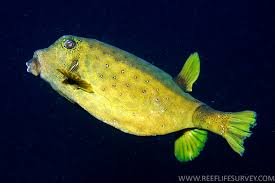
Introduction to Ostracion Cubicus
In the world of marine aquariums, there exist species that are both fascinating and challenging to keep. One such species is the Ostracion Cubicus, also known as the yellow boxfish or yellow scatola fish. In this article, we will delve into the characteristics, behavior, and care requirements of this intriguing species.
What is an Ostracion Cubicus?
The Ostracion Cubicus is a member of the Tetraodontiformes order, specifically within the family Ostraciidae. It is native to the Indo-Pacific region, with sightings reported in various countries such as Japan, Lord Howe Island, and the Hawaiian Islands.
Physical Characteristics
The Ostracion Cubicus has a distinctive appearance, characterized by its yellow coloration. However, it’s essential to note that only juvenile specimens exhibit this vibrant hue, while adults display a more muted color palette, ranging from ochre-red to brownish-yellow.
Another notable feature of the Ostracion Cubicus is its box-like shape, with a broad, flat head and a long, slender body. It can grow up to 45 cm in length, although it rarely reaches this size in captivity.
Behavioral Traits
The Ostracion Cubicus is known for its unique behavior, which sets it apart from other fish species. When threatened or stressed, this fish releases a toxic substance called ostracitoxin, which can be lethal to smaller fish and other aquatic animals.
To avoid potential harm, it’s crucial to provide the Ostracion Cubicus with a safe and stress-free environment. This includes introducing it to a well-established aquarium with ample space for swimming and hiding places.
Dietary Requirements
In the wild, the Ostracion Cubicus feeds on algae, invertebrates, and small fish. In captivity, it’s recommended to offer a varied diet that includes both plant-based and animal-derived foods.
Aim to provide multiple feedings per day, as this species has high energy demands. Avoid offering floating food, as it can lead to digestive issues, similar to those experienced by its cousin, the Lactoria cornuta (the scatola fish).
Aquarium Requirements
To create a suitable environment for the Ostracion Cubicus, consider the following parameters:
- Temperature: 22-26°C
- Salinity: 1.020-1.026
- pH: 8.0-8.5
- Minimum tank size: 400 liters
It’s also essential to provide ample space for swimming and hiding places, as well as a balanced community of fish and invertebrates.
Alternative Yellow Fish Species
If you’re looking for other yellow fish species for your aquarium, consider the following options:
- Siganus Vulpinus (the yellowtail damselfish)
- Gobiodon okinawae (the Japanese yellowfish)
- Zebrasoma Flavescens (the yellow surgeonfish)
Keep in mind that each of these species has unique requirements and temperaments, so it’s crucial to research and understand their needs before introducing them to your aquarium.
Conclusion
The Ostracion Cubicus is a fascinating fish species that requires careful consideration and attention to detail. By understanding its behavior, dietary needs, and aquarium requirements, you can create a thriving environment for this unique fish.
As with any new addition to your aquarium, be sure to research and prepare thoroughly before introducing the Ostracion Cubicus to your tank. With patience, dedication, and proper care, you can enjoy the beauty and intrigue of this remarkable species.
FAQs
Q: Is the Ostracion Cubicus a poisonous fish?
A: Yes, when threatened or stressed, the Ostracion Cubicus releases ostracitoxin, which can be toxic to smaller fish and other aquatic animals.
Q: What is the recommended diet for an Ostracion Cubicus in captivity?
A: Offer a varied diet that includes both plant-based and animal-derived foods, with multiple feedings per day.
Q: What are the minimum aquarium requirements for an Ostracion Cubicus?
A: Provide a temperature range of 22-26°C, salinity of 1.020-1.026, pH of 8.0-8.5, and a minimum tank size of 400 liters.
Q: Are there other yellow fish species suitable for aquariums?
A: Yes, consider the Siganus Vulpinus (yellowtail damselfish), Gobiodon okinawae (Japanese yellowfish), or Zebrasoma Flavescens (yellow surgeonfish) as alternative options.
Tankmate Compatibility
When selecting tankmates for your Ostracion Cubicus, keep in mind the following species:
- Large groupers and snappers may view the boxfish as a potential meal.
- Small or schooling fish may be stressed by the boxfish’s territorial behavior.
- Peaceful bottom-dwellers like sea urchins, starfish, and shrimp can coexist with the Ostracion Cubicus.
Mistakes to Avoid
When keeping an Ostracion Cubicus in captivity, avoid the following common mistakes:
- Providing inadequate hiding places or stressors.
- Overfeeding or underfeeding the fish.
- Failing to maintain optimal water parameters.
- Ignoring the boxfish’s unique behavior and territorial requirements.
Conclusion
The Ostracion Cubicus is a fascinating fish species that requires careful consideration and attention to detail. By understanding its behavior, dietary needs, and aquarium requirements, you can create a thriving environment for this unique fish.
As with any new addition to your aquarium, be sure to research and prepare thoroughly before introducing the Ostracion Cubicus to your tank. With patience, dedication, and proper care, you can enjoy the beauty and intrigue of this remarkable species.
References
- Froese, R., & Pauly, D. (2019). Ostracion cubicus. FishBase.
- World Register of Marine Species.
- United States National Oceanic and Atmospheric Administration (NOAA)


