
What is Osteoporosis?
Osteoporosis, a systemic bone disease, leads to a reduction in bone mass and tissue deterioration, ultimately resulting in increased fragility. This condition can manifest with fractures, particularly of the hip, spine, and wrist.
While it’s easy to wish for someone not to suffer from osteoporosis, adopting a lifestyle that reduces the risk is possible. Both diet and physical activity play crucial roles in preventing this disease.
The Importance of Physical Activity
Regular exercise is essential for overall health, but when combined with specific treatments for osteoporosis, it can have a profound impact. Movement helps improve general health and reduces the risk of fractures by strengthening bones.
Research has shown that regular exercise can increase bone density by up to 10% in just six months. This is especially important for individuals at high risk of developing osteoporosis, as even small improvements in bone density can significantly reduce the risk of fractures.
Osteoporosis and Pilates
Pilates is often recommended for various age groups, including seniors who suffer from or are at risk of osteoporosis and osteoarthritis. However, it’s essential to tailor exercises specifically to each individual’s needs, taking into account their age, health conditions, and physical abilities.
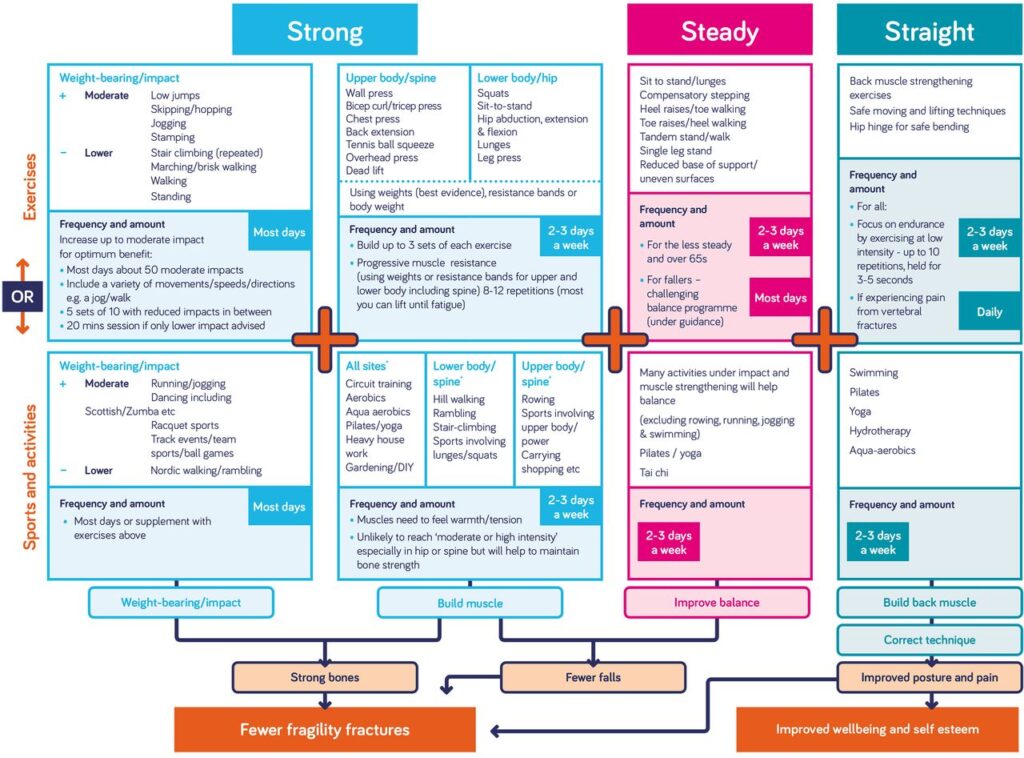
Pilates can be adapted to accommodate different body types and needs, especially for older adults with fragile bones. This type of exercise helps improve balance, reduces the risk of falls, and provides numerous physical and psychological benefits.
Adapting Pilates Exercises
To ensure that Pilates is an effective exercise option for preventing osteoporosis, it’s essential to adapt exercises specifically to each individual’s needs. Here are some tips:
- Start with gentle exercises and gradually increase intensity and difficulty as the body becomes more comfortable.
- Focus on core strength and flexibility, which can help improve balance and reduce the risk of falls.
- Incorporate exercises that target weight-bearing joints, such as legs and hips, to stimulate bone density.
- Avoid exercises that may exacerbate existing health conditions, such as back pain or joint problems.
Osteoporosis and Gym Exercise
It’s challenging to predict when osteoporosis will develop, but a proactive approach can help prevent it. Regular gym exercises that stimulate bone density are crucial for maintaining strong bones.
When selecting gym exercises, focus on weight-bearing joints and the spine, such as legs, hips, and lower back. These exercises can help improve overall health and reduce the risk of fractures.
Some examples of effective gym exercises for preventing osteoporosis include:
- Squats: Strengthens legs and hips, which are essential for maintaining balance and reducing the risk of falls.
- Lunges: Targets weight-bearing joints and can help improve bone density.
- Deadlifts: Strengthens back and leg muscles, which are critical for maintaining balance and stability.
- Leg press: Targets weight-bearing joints and can help improve bone density.
Osteoporosis and Swimming
While some sports may not be effective in preventing osteoporosis, swimming is an excellent option. Unlike high-impact activities like running or cycling, swimming provides low-impact exercise that can help improve overall health without putting excessive stress on bones.
Swimming also offers numerous physical and psychological benefits, including improved cardiovascular fitness, increased flexibility, and reduced stress levels.
Choosing the Right Exercise for Osteoporosis Prevention
When selecting a sport to prevent osteoporosis, it’s essential to choose one that suits your needs and abilities. High-impact activities can be too strenuous, while low-impact exercises may not provide enough stimulation for bone growth.
Consider the following factors when choosing an exercise option:
- Age: Older adults may need to avoid high-impact activities or modify exercises to accommodate physical limitations.
- Health conditions: Certain health conditions, such as back pain or joint problems, may require modifications or substitutions in exercise routines.
- Physical abilities: Choose exercises that are within your physical capabilities and gradually increase intensity and difficulty as needed.
Working with an Expert to Create a Personalized Exercise Program
To effectively prevent osteoporosis through exercise, work with a fitness professional who can design a customized program that takes into account your age, health status, and physical abilities. This will help you maintain strong bones while minimizing the risk of injury or strain.
When selecting a fitness professional, consider the following factors:
- Experience: Look for professionals with experience working with clients at your age group and with similar health conditions.
- Expertise: Choose professionals who are knowledgeable about osteoporosis prevention and have expertise in designing customized exercise programs.
- Personalization: Ensure that your exercise program is tailored to your individual needs and abilities, taking into account any physical limitations or health concerns.
Exercise for Osteoporosis Prevention: What to Expect
By engaging in regular exercise and working with an expert, you can expect improvements in overall health, increased bone density, and reduced risk of fractures. A well-designed exercise program will target specific areas of the body to stimulate bone growth and prevent osteoporosis.
Some potential benefits of exercising for osteoporosis prevention include:
- Improved balance and coordination
- Reduced risk of falls and fractures
- Increased muscle strength and flexibility
- Enhanced cardiovascular fitness
- Improved overall health and quality of life
FAQs
-
What is the best way to prevent osteoporosis?
Regular exercise, a balanced diet, and regular check-ups with your healthcare provider are essential for preventing osteoporosis. -
Can Pilates help with osteoporosis prevention?
Yes, Pilates can be an excellent exercise option for preventing osteoporosis, especially when tailored to individual needs and abilities. -
What is the best sport for osteoporosis prevention?
Swimming, swimming, or other low-impact exercises are ideal for preventing osteoporosis, as they provide gentle stimulation without excessive stress on bones. -
How often should I exercise to prevent osteoporosis?
Aim for at least 30 minutes of moderate-intensity exercise per day to help maintain strong bones and reduce the risk of fractures. -
Can I do Pilates alone to prevent osteoporosis?
While Pilates can be a great way to improve overall health, it’s best to work with a fitness professional who can create a personalized program tailored to your needs. -
What are some common mistakes to avoid when exercising for osteoporosis prevention?
Avoid high-impact activities, excessive stress on bones, and neglecting to warm up or cool down properly to prevent injuries and strains. -
Can osteoporosis be cured?
Currently, there is no cure for osteoporosis, but a combination of regular exercise, a balanced diet, and medical treatment can help manage symptoms and reduce the risk of fractures. -
How often should I have my bone density checked to prevent osteoporosis?
Consult with your healthcare provider about scheduling regular bone density tests to monitor your bone health and detect any potential issues early on.
By understanding the importance of physical activity, adapting exercises to individual needs, and working with a fitness professional, you can take proactive steps to prevent osteoporosis and maintain strong bones throughout your life.


