
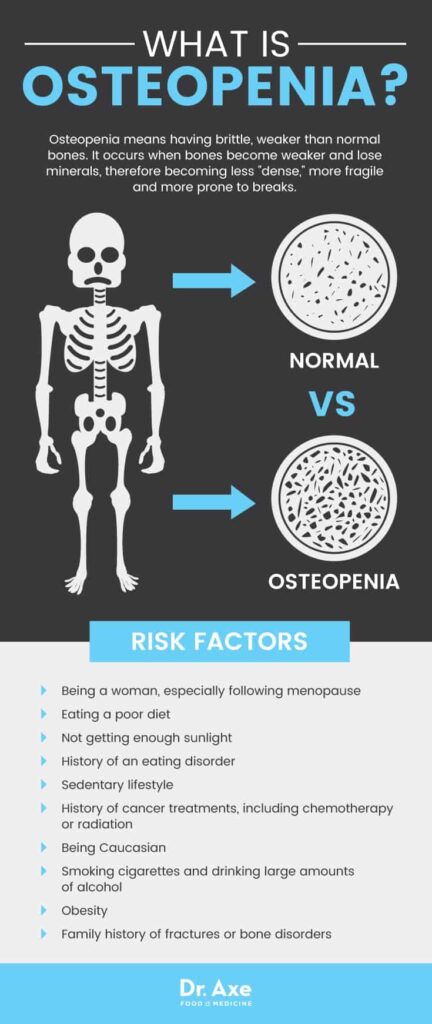
Osteopenia is a condition that affects millions of people worldwide, causing mild bone density loss and increasing the risk of fractures. While it’s a natural process as we age, some individuals experience it at a faster rate, leading to complications. In this article, we’ll delve into what osteopenia is, its causes, symptoms, diagnosis, treatment options, and natural cures.
What is Osteopenia?
Osteopenia refers to the gradual loss of bone density, making bones thinner and weaker. This condition can lead to an increased likelihood of fractures, which can be painful and take longer to heal compared to trauma-related breaks. Understanding osteopenia is crucial in reducing damage associated with it.
Aging Causes Gradual Bone Loss
As we age, our bone tissue undergoes a progressive quantitative and qualitative loss. However, other factors can exacerbate this loss, leading to more pronounced and harmful consequences. Smoking, sedentary lifestyle, ionizing radiation, certain medications, and a diet lacking in calcium are some of the contributing factors.
Symptoms of Osteopenia
One of the most significant challenges with osteopenia is its lack of obvious symptoms. This makes it difficult to diagnose early on, which can lead to complications. When a bone breaks due to osteopenia or osteoporosis, it can be extremely painful and take longer to heal.
Osteopenia: Causes
While age-related osteopenia is natural, the rate at which bone mass decreases varies among individuals. The most affected areas include epiphyseal plates, vertebrae, jawbone, and pelvis, making limbs more fragile and potentially leading to tooth loss.
Risk Factors for Osteopenia
Certain factors increase the risk of developing osteopenia:
- Smoking: Smoking damages bone tissue and reduces its ability to form new bone.
- Sedentary lifestyle: A lack of physical activity contributes to a decrease in bone density.
- Ionizing radiation: Exposure to radiation can cause damage to bones and reduce their strength.
- Certain medications: Medications such as corticosteroids and thyroid hormones can contribute to osteopenia.
- Diet lacking in calcium: Inadequate consumption of calcium and other essential nutrients contributes to osteopenia.
Diagnostic Values
Values that indicate osteopenia often appear after menopause, when estrogen levels naturally decrease. Osteopenia porotica is a term used in this context. Additionally, cases of osteopenia can occur in conjunction with cystic fibrosis-related osteitis or as secondary conditions caused by underlying medical conditions like hypoparathyroidism, malabsorption, or prolonged corticosteroid use.
Natural Cures for Osteopenia
Preventing or controlling osteopenia requires a multi-faceted approach. Engaging in regular exercise is essential, but it’s crucial to focus on specific types of exercises that stimulate positive osseous deposition. Weight-bearing activities like walking, marching, dancing, hiking, stair climbing, aerobics, and light jogging (if the level of osteopenia is not severe) are effective in promoting bone density.
Additional exercises, such as resistance training and balance exercises, can also help. Quitting smoking and maintaining moderate alcohol consumption are natural remedies for osteopenia.
Dietary Recommendations for Osteopenia
A diet lacking in calcium and essential nutrients contributes to osteopenia. It’s crucial to have a balanced and varied diet rich in calcium sources like milk, dairy products, leafy greens, and vitamin D-rich foods like eggs, salmon, sardines, and fish.
Consider using dietary supplements if necessary. A healthy diet is not meant to lead to weight loss but will improve overall health. Avoid smoking and excessive alcohol consumption.
Osteopenia vs. Osteoporosis
Both osteopenia and osteoporosis are metabolic bone diseases causing low bone density, with osteoporosis being more severe than osteopenia. Osteoporosis typically occurs in older age or after menopause (primary), while secondary osteoporosis can result from underlying medical conditions like malabsorption, hypogonadism, hyperthyroidism, multiple myeloma, or prolonged corticosteroid use.
Prevention and Treatment
Understanding the causes of osteopenia is crucial in preventing it. Engaging in regular exercise, maintaining a balanced diet, and quitting smoking can help reduce the risk of complications. If you’re diagnosed with osteopenia, consult with your doctor to develop a personalized treatment plan.
Additional Resources
If you enjoyed this article, follow me on Twitter, Facebook, Google+, and Instagram for more content. You might also find these topics interesting:
- Ankle pain
- Longevity exercises
- Natural remedies for osteoporosis
- Demineralization of bone tissue
- Elongation
Conclusion
Osteopenia is a condition that affects millions worldwide, causing mild bone density loss and increasing the risk of fractures. Understanding its causes, symptoms, diagnosis, treatment options, and natural cures can help reduce damage associated with it. By engaging in regular exercise, maintaining a balanced diet, and quitting smoking, you can take control of your health and prevent complications.
Frequently Asked Questions
- Q: What is osteopenia?
- Osteopenia refers to the gradual loss of bone density, making bones thinner and weaker.
- Q: Can osteopenia be cured?
- While there is no cure for osteopenia, prevention and control measures can help reduce damage associated with it.
- Q: What causes osteopenia?
- Osteopenia is caused by a combination of age-related bone loss and other factors like smoking, sedentary lifestyle, ionizing radiation, certain medications, and a diet lacking in calcium.
- Q: How can I diagnose osteopenia?
- Diagnosis typically involves blood tests and imaging studies to measure bone density.
- Q: What are the symptoms of osteopenia?
- There are no specific symptoms for osteopenia, but fractures caused by osteopenia or osteoporosis can be painful and take longer to heal.
- Q: Can osteopenia occur in children?
- Yes, osteopenia can occur in children due to conditions like cystic fibrosis-related osteitis or secondary conditions caused by underlying medical conditions.
- Q: How can I prevent osteopenia?
- Prevention involves engaging in regular exercise, maintaining a balanced diet, and quitting smoking.
- Q: Can natural remedies help with osteopenia?
- Yes, natural remedies like quitting smoking and maintaining moderate alcohol consumption can help reduce the risk of complications associated with osteopenia.
If you have any specific questions or concerns about osteopenia, please let us know in the comments below.


