
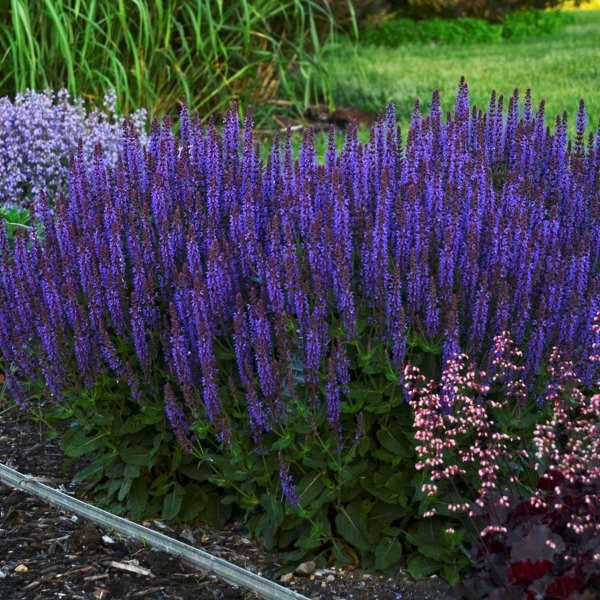
Salvias have long been appreciated for their ornamental value, as well as their culinary uses. But did you know that these beautiful plants can be just as stunning in your garden? In this article, we’ll delve into the world of ornamental salvias, exploring their diversity, care requirements, and how to bring them to life in your outdoor space.
What are Ornamental Salvias?
Ornamental salvias are a type of salvia that has been cultivated for its beauty, rather than its culinary or medicinal properties. With over 900 species to choose from, there’s a wide range of ornamental salvias to suit every garden style and climate. These plants come in various shapes and sizes, from compact varieties perfect for containers to tall, stately specimens that can add drama to your landscape.
Understanding the Different Types of Ornamental Salvias
Ornamental salvias can be categorized into three main types: annuals, biennials, and perennials. Within these categories, there are several sub-types based on growth habits, such as herbaceous (weed-like), suffruticose (shrubby), and arbustive (tree-like). Each type of salvia has its unique characteristics and growing conditions.
- Annual Salvias: These plants complete their life cycle within a year and typically need to be replanted every season. They are often used as annuals in containers or borders.
- Biennial Salvias: These plants take two years to complete their life cycle and are often grown for their foliage or flowers.
- Perennial Salvias: These plants live for more than two years and can be grown in gardens year-round.
Choosing the Right Species
When selecting an ornamental salvia, it’s essential to choose a species that is well-suited to your climate and growing conditions. Some species are more tolerant of cold temperatures than others, while some prefer full sun or partial shade. By choosing a species that is adapted to your local climate, you can ensure that your salvia thrives in its new home.
Some popular ornamental salvia species include:
- Salvia flutinosa: This species is known for its vibrant flowers and ability to tolerate cold temperatures.
- Salvia discolor: This species has a distinctive purple color and is often grown for its unique foliage.
- Salvia azurea: This species produces blue flowers and can grow quite tall, making it a great choice for borders or specimen plants.
Caring for Ornamental Salvias
Ornamental salvias are relatively low-maintenance plants that require minimal care. However, there are some key steps you can take to ensure they thrive:
- Soil: Choose a well-draining potting mix or garden soil to prevent root rot and other problems.
- Sunlight: Most ornamental salvias prefer full sun to partial shade, depending on the species.
- Watering: Water your salvia plants regularly, but avoid overwatering, which can lead to root rot.
By following these tips and choosing a species that is well-suited to your climate, you can enjoy the beauty and versatility of ornamental salvias in your garden all year round.
Common Problems and Solutions
While ornamental salvias are generally easy to care for, there are some common problems you may encounter. Here are a few solutions to keep in mind:
- Pests: Check your plants regularly for signs of pests like aphids, whiteflies, or spider mites.
- Diseases: Inspect your plants for signs of disease like powdery mildew, leaf spot, or root rot.
By being aware of these potential problems and taking steps to prevent them, you can keep your ornamental salvias healthy and thriving.
Propagation and Division
Ornamental salvias can be propagated through a variety of methods, including:
- Cuttings: Take 4-6 inch stem cuttings from the plant and root them in soil or water.
- Division: Divide established plants to create new ones.
- Seed: Sow seeds in the spring or fall for a new crop.
By propagating your ornamental salvias, you can share them with friends and family, or create new plants for your own garden.
Fertilization
Fertilizing your ornamental salvias is an essential part of their care. Here are some tips to keep in mind:
- Balanced Fertilizer: Use a balanced fertilizer that promotes healthy growth.
- Feed In Spring: Feed your salvia plants in the spring when new growth appears.
- Avoid Overfertilizing: Avoid overfertilizing, which can lead to weak and leggy growth.
By fertilizing your ornamental salvias regularly, you can encourage healthy growth and flowering.
Deadheading
Deadheading is an essential part of salvia care. Here’s how to do it:
- Remove Dead Flowers: Remove dead flowers to encourage new blooms.
- Cut Back Stems: Cut back stems after blooming to maintain shape and promote new growth.
By deadheading your ornamental salvias, you can encourage continuous blooming and keep your plants looking their best.
Conclusion
Ornamental salvias are a stunning addition to any garden, offering a range of beautiful flowers, unique foliage, and low-maintenance care. By choosing the right species for your climate and growing conditions, following basic care tips, and being aware of common problems, you can enjoy the beauty and versatility of ornamental salvias all year round.
Frequently Asked Questions
- What is the best way to propagate an ornamental salvia?
Propagating an ornamental salvia involves taking a cutting from the plant and rooting it in soil or water. You can also divide established plants to create new ones. - How often should I fertilize my ornamental salvias?
Fertilize your ornamental salvias once a year, using a balanced fertilizer that promotes healthy growth. - Can I grow ornamental salvias in containers?
Yes, ornamental salvias can be grown in containers as long as the container is large enough to provide sufficient root space and well-draining soil.
By following these tips and understanding the unique needs of your ornamental salvia plants, you can enjoy their beauty for years to come.


