
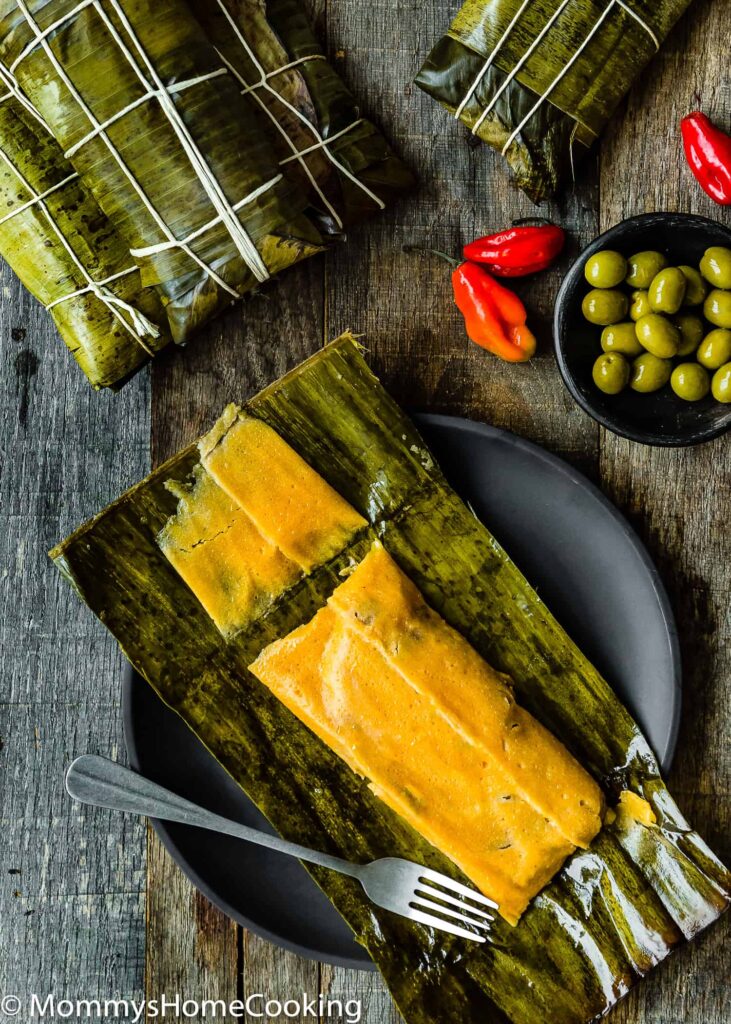
In the realm of traditional Latin American cuisine, there exist a few dishes that have managed to transcend borders and capture the hearts of food enthusiasts worldwide. Among these is the humble hallaquita, a staple in Venezuelan and Colombian households, affectionately known as “bollos” in Colombia.
The story of hallaquitas dates back to the ancient times when indigenous communities first began cultivating maize (corn) in South America. Over time, these early inhabitants adapted their traditional recipes to incorporate the native crops into their cuisine, giving rise to the unique flavor profiles that define Latin American gastronomy today.
Hallaquitas are essentially small cornmeal patties wrapped in fresh or dried leaves, then steamed until tender. This ancient method of cooking ensures that the delicate flavors of the corn are preserved while infusing the dish with a subtle earthy undertone. In Venezuela, hallaquitas are often served alongside traditional dishes such as beef stew, roasted chicken, or boiled vegetables.
One must admit that the simplicity of this recipe belies its complexity and depth. For instance, the leaves used to wrap the cornmeal patties can vary greatly depending on personal preference. While fresh leaves provide a more vibrant flavor, dried leaves offer a slightly sweeter taste experience. In Cuba, however, the traditional method involves substituting cornmeal with black-eyed peas, yielding a distinctively different flavor profile.
A Brief History of Hallaquitas
Hallaquitas have been an integral part of Venezuelan cuisine for centuries, often served at family gatherings and celebrations. Over time, their popularity has spread throughout Latin America, with each country adapting its unique twist to the traditional recipe. In Colombia, these cornmeal patties are known as “bollos,” further illustrating the cultural exchange that occurs between neighboring countries.
In addition to their cultural significance, hallaquitas also play a crucial role in preserving traditional cooking methods. By using natural materials such as leaves and water, cooks can create an authentic and flavorful experience that is both nourishing and sustainable.
Preparing Hallaquitas: A Step-by-Step Guide
Fortunately, preparing hallaquitas is relatively straightforward, requiring just a few simple ingredients and basic kitchen tools. To begin, combine 4 cups of cornmeal with 2 teaspoons of salt in a large bowl. Gradually add 3 cups of water, stirring constantly until the mixture forms a smooth dough.
Next, knead the dough for about 10 minutes to develop its elastic properties. Divide the dough into small portions and shape each one into an oval or round form. Covering these with fresh leaves or wrapping them in parchment paper allows you to cook your hallaquitas using either steam or water.
To prepare your hallaquitas, submerge them in boiling water for 20-25 minutes or until they are cooked through. Alternatively, use parchment paper to wrap each one and place it on a baking sheet. Bake at 375°F (190°C) for about 15-20 minutes, or until golden brown.
Tips and Variations
For those who prefer a more flavorful experience, consider adding some spices or seasonings to your hallaquita dough. Peppercorns, garlic, or chilies all complement the cornmeal nicely, offering an array of unique flavor profiles. Additionally, you can mix in shredded cheese or chopped herbs for added texture and taste.
Another creative twist involves using parchment paper instead of leaves. This convenient alternative eliminates the need to find fresh leaves during certain times of the year. Simply wrap each hallaquita securely with a sheet of parchment paper and cook according to your preferred method.
Some cooks also experiment with different types of cornmeal, such as yellow or white corn, which can alter the flavor profile of their hallaquitas. Others prefer to use cheese or herbs in place of salt for added richness and depth.
Regional Variations
While traditional hallaquitas are made from yellow cornmeal, variations exist across Latin America. In some regions, cooks substitute the cornmeal with rice flour, creating a lighter and fluffier texture. In other areas, they add ingredients like chopped nuts or dried fruit to give their hallaquitas a sweet and nutty flavor.
In Venezuela, hallaquitas are often served as a side dish, accompanied by hearty stews and roasted meats. However, in Colombia, these cornmeal patties are more commonly used as a snack or light meal, topped with cheese, avocado, or salsa.
Conclusion
In conclusion, hallaquitas represent more than just a traditional dish from Venezuela or Colombia – they embody the spirit of cultural exchange and adaptation that defines our global culinary landscape. By embracing this ancient recipe, we can not only appreciate the rich heritage behind these cornmeal patties but also contribute to preserving traditional cooking methods for future generations.
Frequently Asked Questions
- Q: What are hallaquitas?
A: Hallaquitas are small cornmeal patties wrapped in fresh or dried leaves and steamed until tender, originating from Venezuelan and Colombian cuisine. - Q: How do I prepare hallaquitas?
A: Combine 4 cups of cornmeal with 2 teaspoons of salt in a bowl, then gradually add 3 cups of water to form a smooth dough. Knead for 10 minutes, divide into small portions, shape into oval or round forms, and cook by submerging in boiling water or baking on parchment paper. - Q: Can I use other ingredients in place of cornmeal?
A: Yes, you can experiment with different grains like quinoa or rice, but traditional hallaquitas are made from cornmeal for their unique flavor profile. - Q: Are there variations to this recipe?
A: Absolutely! Try adding spices, seasonings, cheese, or herbs to your hallaquita dough for added flavor and texture. - Q: How do I make hallaquitas vegan-friendly?
A: Simply substitute the cheese with a plant-based alternative and consider using vegetable broth instead of animal stock. - Q: Are there any health benefits to consuming hallaquitas?
A: Yes, cornmeal is rich in fiber and nutrients like iron and B vitamins, making hallaquitas a nutritious addition to your diet. - Q: Can I store leftover hallaquitas?
A: Hallaquitas can be refrigerated for up to 24 hours or frozen for later use. Simply thaw and reheat as needed.
By embracing the rich flavors and traditions behind these cornmeal patties, we can cultivate a deeper appreciation for our culinary heritage while exploring new flavors and techniques in our own kitchens.
Cultural Significance
Hallaquitas hold significant cultural importance in Venezuela and Colombia, often being served at family gatherings and celebrations. These traditional dishes evoke memories of childhood, warmth, and love, making them an integral part of Latin American cuisine.
In addition to their emotional significance, hallaquitas also play a crucial role in preserving traditional cooking methods and ingredients. By using natural materials like leaves and water, cooks can create an authentic and flavorful experience that is both nourishing and sustainable.
Conclusion
Hallaquitas are more than just a simple cornmeal patty; they represent the rich cultural heritage of Venezuela and Colombia. By embracing this ancient recipe, we can appreciate the unique flavors and traditions behind these traditional dishes while contributing to preserving our culinary legacy for future generations.
Whether enjoyed as a snack or side dish, hallaquitas offer a delicious way to experience Latin American cuisine. So next time you’re cooking up some hallaquitas, remember the rich history and cultural significance behind this beloved recipe.


