
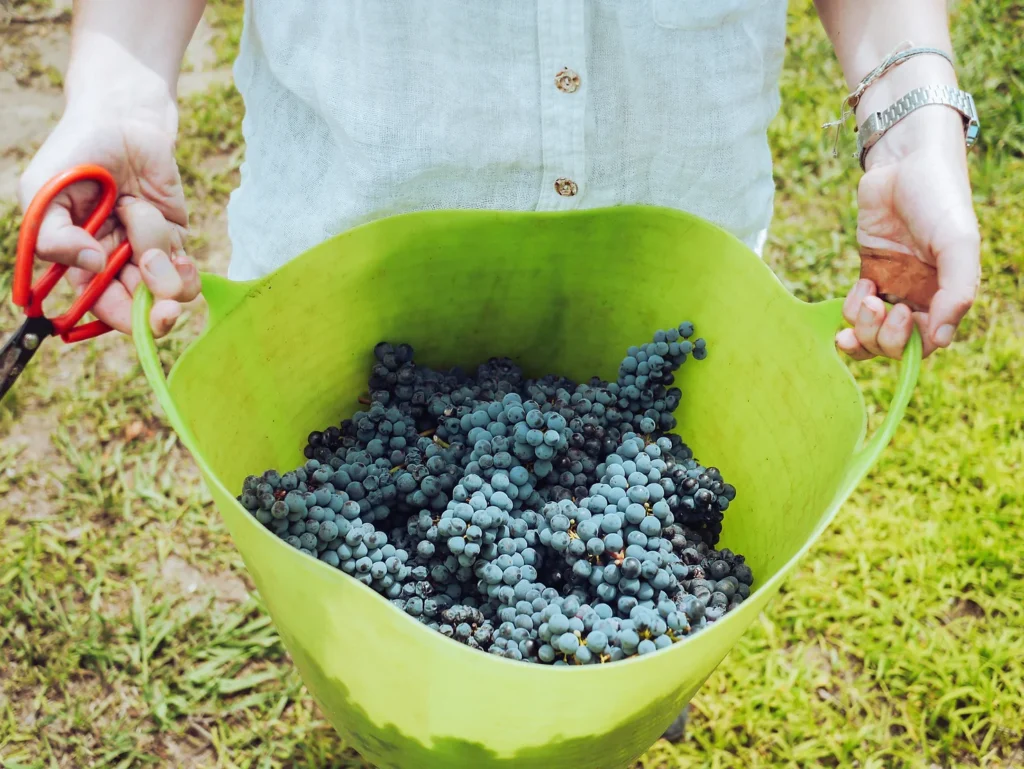
In the world of wine, sustainability is no longer a buzzword, but a necessity. Biodynamic winemaking has emerged as a key approach in reducing the environmental impact of vineyards and producing high-quality wines that are not only delicious but also good for the planet. In this article, we’ll delve into the world of biodynamic wine production, exploring its principles, practices, and benefits.
Introduction
Biodynamic winemaking is a holistic approach to viticulture and winemaking that aims to create a balanced ecosystem in the vineyard. It involves using natural methods to control pests and diseases, rather than relying on synthetic chemicals. The goal is to produce wines that are not only delicious but also respectful of the environment.
What is Biodynamic Wine Production?
Biodynamic wine production is based on the principles developed by Rudolf Steiner, an Austrian philosopher who believed that agriculture should be a spiritual practice as well as a scientific one. According to Steiner, the vineyard and the winery must be seen as a single entity, working in harmony with nature rather than against it.
Biodynamic wine production involves the use of natural preparations called “preparations,” which are made from herbs, minerals, and other natural substances. These preparations are used to stimulate the growth of beneficial microorganisms in the soil and on the vines, promoting a healthy and balanced ecosystem.
The Rules of Biodynamic Vineyard Management
Biodynamic vineyards follow specific rules to ensure a healthy and balanced ecosystem. These include:
- No herbicides: Herbicides are banned in biodynamic vineyards, and instead, farmers use natural methods like crop rotation and biological control to manage weeds.
- Organic soil amendments: Farmers use organic materials like compost and manure to enrich the soil and promote biodiversity.
- Natural pest control: Biodynamic farmers use natural methods like introducing beneficial insects and using physical barriers to control pests and diseases.
- No synthetic fertilizers: Synthetic fertilizers are banned in biodynamic vineyards, and instead, farmers rely on natural processes like decomposition and microbial activity to replenish nutrients.
The Stages of Biodynamic Winemaking
Once the vines have been managed according to these principles, the winemaker must follow specific rules to produce high-quality wines. These include:
- Harvesting: Biodynamic grapes are harvested at optimal ripeness to ensure maximum flavor and aroma.
- Fermentation: Fermentation is carried out using natural yeast strains and minimal intervention to preserve the wine’s natural characteristics.
- Stabilization: Stabilizers like sulfites may be used in biodynamic wines, but in moderation. The use of solfites has been a topic of controversy in recent years.
Vino Biologico: A Controversial Topic
The use of sulfites in biodynamic wines has been a contentious issue in recent years. Some argue that sulfites are necessary to prevent spoilage and preserve the wine’s shelf life, while others claim that they can have negative health impacts. In response to these concerns, some producers have turned to alternative stabilizers like potassium sorbate.
Vino Biologico senza Solfiti
In response to the controversy surrounding sulfites, some producers are now producing wines without sulfites. These wines use natural methods to preserve the wine’s flavor and aroma, rather than relying on synthetic stabilizers.
Conclusion
Biodynamic winemaking is a holistic approach to viticulture and winemaking that aims to create a balanced ecosystem in the vineyard. By following specific rules and practices, biodynamic farmers and winemakers can produce high-quality wines that are not only delicious but also respectful of the environment. As the wine industry continues to evolve, it’s clear that sustainability will play an increasingly important role in shaping the future of winemaking.
FAQs
- What is biodynamic winemaking?
Biodynamic winemaking is a holistic approach to viticulture and winemaking that aims to create a balanced ecosystem in the vineyard. - Are sulfites necessary for biodynamic wines?
No, sulfites are not necessary for biodynamic wines. However, some producers may still use them as an additional stabilizer. - Can biodynamic wines be just as good as conventional wines?
Absolutely! Biodynamic wines can be of the highest quality and offer unique characteristics that set them apart from conventional wines. - How do biodynamic winemakers control pests and diseases?
Biodynamic winemakers use natural methods like crop rotation, biological control, and physical barriers to control pests and diseases. - What is the role of microorganisms in biodynamic winemaking?
Microorganisms play a crucial role in biodynamic winemaking. They help to ferment the wine and preserve its natural flavors and aromas. - Can biodynamic wines be aged for long periods?
Yes, biodynamic wines can be aged for long periods without losing their quality or character. - How do biodynamic winemakers ensure consistency in their wines?
Biodynamic winemakers ensure consistency in their wines by following strict protocols and using natural methods to control the wine’s aging process. - Can I taste the difference between biodynamic and conventional wines?
Yes! Biodynamic wines often have unique flavor profiles and aromas that set them apart from conventional wines.
Biodynamic Wine Production: A Growing Trend
In recent years, there has been a growing trend towards biodynamic wine production. This is due in part to consumer demand for more sustainable and environmentally-friendly products, as well as the increasing recognition of the benefits of biodynamic winemaking.
The Benefits of Biodynamic Winemaking
Biodynamic winemaking offers several benefits over traditional methods of viticulture and winemaking. These include:
- Increased biodiversity: Biodynamic vineyards promote biodiversity by using natural methods to control pests and diseases, rather than relying on synthetic chemicals.
- Reduced environmental impact: Biodynamic wine production requires fewer resources and generates less waste than traditional methods of viticulture and winemaking.
- Improved flavor and aroma: Biodynamic wines are often characterized by unique flavors and aromas that set them apart from conventional wines.
The Future of Biodynamic Wine Production
As the wine industry continues to evolve, it’s clear that biodynamic winemaking will play an increasingly important role in shaping the future of winemaking. By embracing natural methods of viticulture and winemaking, producers can create high-quality wines that are not only delicious but also good for the planet.
In conclusion, biodynamic wine production is a holistic approach to viticulture and winemaking that aims to create a balanced ecosystem in the vineyard. By following specific rules and practices, biodynamic farmers and winemakers can produce high-quality wines that are not only delicious but also respectful of the environment. As the wine industry continues to evolve, it’s clear that sustainability will play an increasingly important role in shaping the future of winemaking.
Recommendations for Biodynamic Winemakers
For biodynamic winemakers looking to improve their production methods and create high-quality wines that are not only delicious but also good for the planet, we recommend:
- Conducting thorough research on natural methods of pest control and disease management.
- Using organic soil amendments to enrich the soil and promote biodiversity.
- Minimizing the use of synthetic fertilizers and instead relying on natural processes like decomposition and microbial activity to replenish nutrients.
- Embracing alternative stabilizers like potassium sorbate in response to concerns about sulfites.
By following these recommendations, biodynamic winemakers can create high-quality wines that are not only delicious but also respectful of the environment.


