
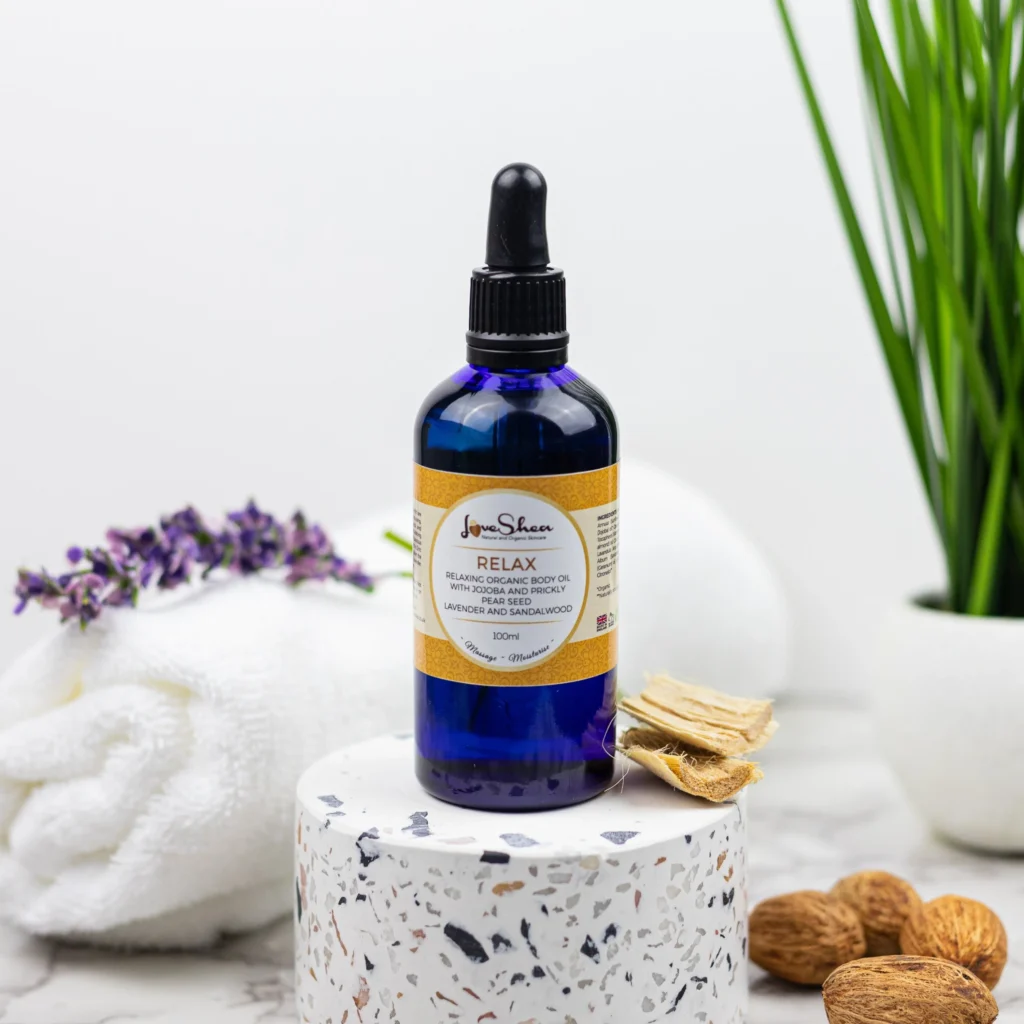
As we all know, olive oil is a staple in many kitchens around the world. But have you ever stopped to think about what goes into producing this delicious ingredient? In this article, we’ll explore the benefits of organic olive oil and why it’s worth choosing over conventional options.
The Importance of Organic Production
When it comes to olive oil production, there are many factors at play. From soil quality to harvesting techniques, every step can impact the final product. That’s why it’s so important to choose organic olive oil whenever possible. Here are just a few reasons why:
- Reduced pesticide use: Conventional farming often relies on pesticides and fertilizers to boost crop yields. However, these chemicals can have serious negative impacts on human health and the environment. Organic olive oil production, on the other hand, uses natural methods to control pests and diseases.
- Increased nutritional value: Organic produce tends to be higher in antioxidants and other beneficial compounds than conventionally grown crops. This means that organic olive oil is not only better for you, but also packed with more nutrients.
- Improved taste and aroma: Organic olive oil often has a richer, more complex flavor profile than conventional options, which can add depth and character to your cooking.
What Does “Organic” Mean?
So what exactly does it mean for a product to be labeled as “organic”? In the case of olive oil, it refers to the production process and ingredients used. Here are some key guidelines:
- No synthetic fertilizers or pesticides: Organic farming prohibits the use of synthetic chemicals, which can harm both people and the environment.
- Natural pest control methods: Instead of relying on chemical pesticides, organic farmers use natural methods to control pests and diseases.
- Hand-picked or mechanically harvested: Organic olive oil is often picked by hand or using mechanical harvesters that minimize damage to the fruit.
Certification and Labeling
So how can you be sure that your olive oil is truly organic? Look for certification labels like “Organic” or “Biodynamic,” which ensure that the product meets strict standards. Some popular certifications include:
- USDA Organic: This label ensures that the product meets rigorous USDA standards, covering everything from soil quality to harvesting techniques.
- EU Organic: Similar to the USDA label, this certification covers all aspects of organic production and labeling.
The Cost of Quality
One common misconception about organic olive oil is that it’s more expensive than conventional options. While it’s true that high-quality organic produce can be pricier, there are many reasons why it’s worth the investment:
- Better taste: Organic olive oil tends to have a richer, more complex flavor profile than conventionally produced oils.
- Increased nutritional value: As mentioned earlier, organic produce is often higher in beneficial compounds and antioxidants.
- Supporting sustainable farming practices: By choosing organic olive oil, you’re supporting environmentally friendly farming methods that prioritize soil health and biodiversity.
Frequently Asked Questions
Here are some common questions about organic olive oil:
- What’s the difference between USDA Organic and EU Organic certification?
- Both labels ensure that the product meets strict standards for organic production and labeling, but the US and EU have different regulations and requirements.
- How do I know if my olive oil is truly organic?
- Look for certification labels like “Organic” or “Biodynamic,” which ensure that the product meets rigorous standards.
- Can I use conventional olive oil as a substitute for organic?
- While it’s possible to use conventional olive oil in a pinch, it’s not recommended due to potential pesticide residues and lower nutritional value.
What to Look for When Choosing Organic Olive Oil
When selecting organic olive oil, there are several factors to consider:
- Origin: Choose oils from regions known for their high-quality olives, such as Italy or Greece.
- Harvesting method: Opt for oils that were harvested by hand or using mechanical harvesters.
- Cold-pressing: Look for oils that were cold-pressed to preserve the delicate flavors and nutrients of the olives.
Using Organic Olive Oil in Cooking
Organic olive oil is a versatile ingredient that can be used in a variety of dishes. Here are some ideas:
- Salad dressings: Use organic olive oil as a base for homemade salad dressings, adding in your favorite herbs and spices.
- Roasted vegetables: Drizzle organic olive oil over roasted vegetables for added flavor and moisture.
- Grilled meats: Brush organic olive oil onto grilled meats for a rich, savory flavor.
Conclusion
In conclusion, choosing organic olive oil is not only better for your health but also supports environmentally friendly farming practices. With its richer flavor profile, increased nutritional value, and sustainable production methods, organic olive oil is the clear winner when it comes to this essential kitchen staple. So next time you’re at the market or cooking up a storm in the kitchen, make sure to choose the best – your taste buds (and the planet) will thank you!


