
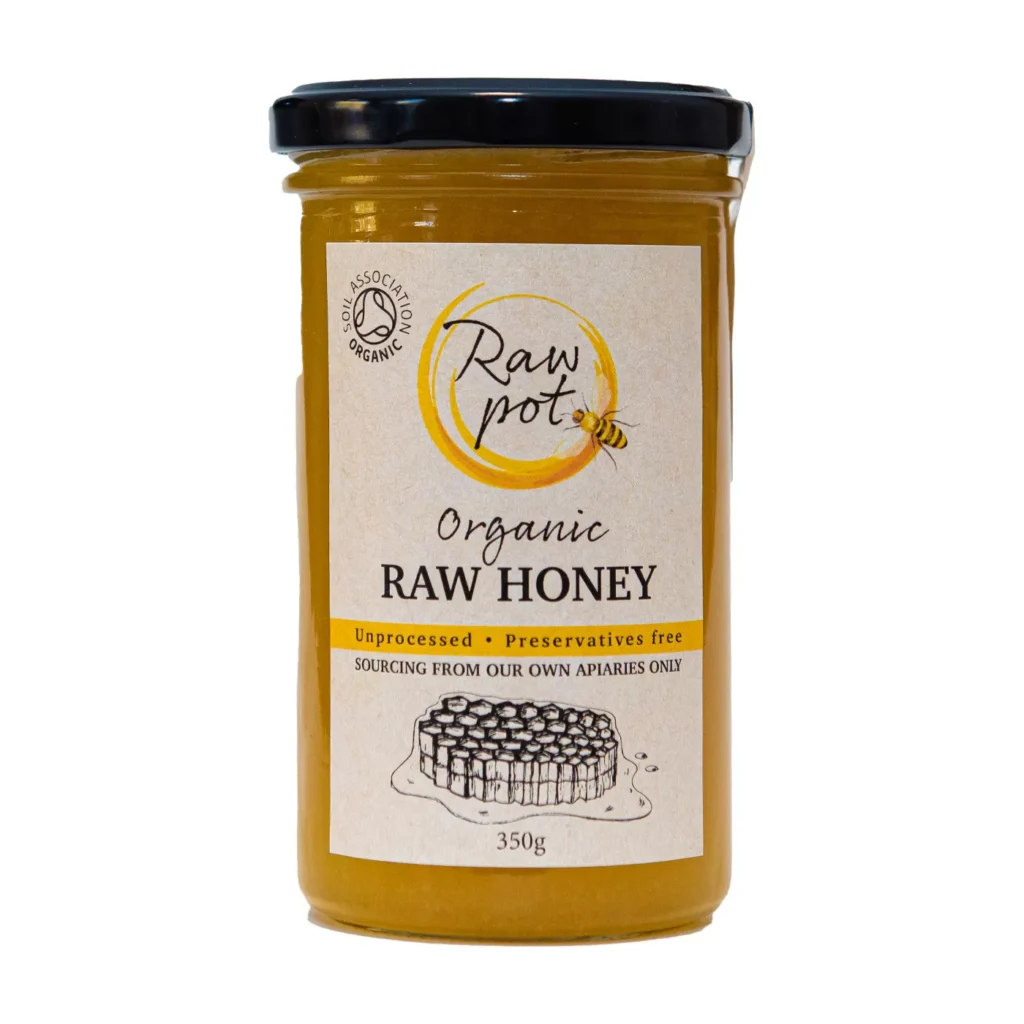
As we stand at the crossroads of modern convenience and natural wellness, one sweet treat stands out as a beacon of hope: organic honey. This golden nectar has been prized for centuries not only for its taste but also for its incredible health benefits. But what exactly makes honey “organic”? Let’s dive into the world of apiculture and explore the fascinating realm of organic honey.
What is Organic Honey?
Honey can be considered a 100% natural product, as it doesn’t undergo human manipulation in its production process. Only flowers and bees are involved! However, not all honey is created equal. To be labeled as “organic,” honey must meet strict standards set by the regulatory body responsible for organic production – the European Union’s Regulation N. 834/2007.
The Regulations of Organic Honey
To ensure the highest quality and purity, organic honey producers must adhere to specific guidelines. These regulations include:
- A minimum distance of 3 kilometers between bee colonies and potential contaminants like discards, roads with high traffic, industrial facilities, and intensive fruit farms.
- Bee hives built using natural materials and free from synthetic additives.
- Prohibition on destroying bees as a means of harvesting apicultural products.
- Strict control over the use of antibiotics, antiparasitic agents, and other chemicals that could leave residues in the honey or wax.
- A strict certification process for wax used in bee hives to guarantee its chemical-free status.
- The prohibition of microfiltration, blending, and pasteurization – techniques that can denature enzymes, vitamins, proteins, and ultimately compromise the health benefits of honey.
The Certification Process
To obtain the coveted “organic” label, honey producers must undergo rigorous testing and certification. This ensures that every aspect of the production process meets the high standards set by regulatory bodies. From controlling pesticide use to maintaining pristine bee habitats, organic honey producers are committed to sustainability and environmental stewardship.
Organic Honey: A Seal of Quality
When you see the “organic” label on a honey product, it means that at least 95% of its ingredients come from certified organic sources. This not only guarantees the quality of the honey but also provides assurance for consumers who are seeking a natural and chemical-free alternative.
A Delicious Health Benefit
Organic honey has been prized by nature lovers and health enthusiasts alike for centuries. Not only does it offer an irresistible taste, but it’s also packed with incredible health benefits. Rich in fructose and glucose, organic honey provides immediate energy that won’t upset your digestive system or cause a spike in blood sugar levels.
The Science Behind Organic Honey
Research has shown that organic honey contains unique compounds that are not found in non-organic honey. These compounds include:
- Methylglyoxal (MGO): A powerful antioxidant that helps to reduce inflammation and improve overall health.
- Hydroxymethylfurfural (HMF): An antimicrobial agent that can help to prevent the growth of bacteria and other microorganisms.
- Bee Defensin: A protein that has been shown to have anti-inflammatory properties.
The Health Benefits of Organic Honey
Organic honey has a multitude of health benefits, including:
- Energy and vitality: Rich in fructose and glucose, organic honey provides immediate energy without causing a spike in blood sugar levels.
- Anti-inflammatory properties: The unique compounds found in organic honey help to reduce inflammation and improve overall health.
- Antibacterial properties: Organic honey’s antimicrobial agents can help to prevent the growth of bacteria and other microorganisms.
- Improved digestion: Organic honey contains enzymes that can help to break down carbohydrates and improve digestive health.
Conclusion
Organic honey is more than just a tasty treat – it’s a symbol of commitment to sustainability, environmental stewardship, and natural wellness. As we continue to navigate the complex world of modern life, this golden nectar offers us a taste of simplicity, purity, and a deep connection to nature.
Frequently Asked Questions
-
What is the difference between organic and non-organic honey?
Organic honey is made from flowers that are grown without synthetic fertilizers or pesticides, while non-organic honey may contain residues from these chemicals. -
Why is microfiltration banned in organic honey production?
Microfiltration can denature enzymes, vitamins, proteins, and other beneficial compounds found in honey, compromising its health benefits. -
Can I use organic honey as a natural remedy for allergies?
While organic honey may offer some immune-boosting properties, it’s essential to consult with a healthcare professional before using it as a treatment for allergies. -
How is the “organic” label certified?
Honey producers must undergo rigorous testing and certification to ensure that every aspect of their production process meets the high standards set by regulatory bodies. -
What are some alternative uses for organic honey beyond cooking and baking?
Organic honey has a multitude of uses, including as a natural preservative, energy booster, skin toner, and even hair treatment.
-
Is it safe to consume raw, unfiltered honey?
While raw, unfiltered honey is rich in beneficial compounds, it may pose a risk for people with weakened immune systems or those who are allergic to bee products. -
Can I buy organic honey online or do I need to visit a local market?
Both options are available! When purchasing online, look for reputable sellers that guarantee the authenticity of their products and adhere to strict quality control standards.
-
How can I store organic honey to maintain its quality?
Organic honey should be stored in an airtight container, away from direct sunlight, heat sources, and moisture to preserve its flavor, texture, and beneficial compounds. -
What is the shelf life of organic honey?
The shelf life of organic honey depends on various factors, including storage conditions, processing methods, and quality control standards. Generally, high-quality organic honey can last for up to 2 years when stored properly. -
Can I return or exchange my organic honey if I’m not satisfied with its taste or quality?
Most reputable sellers offer a satisfaction guarantee or refund policy for their products. It’s essential to read the terms and conditions before making a purchase.


