
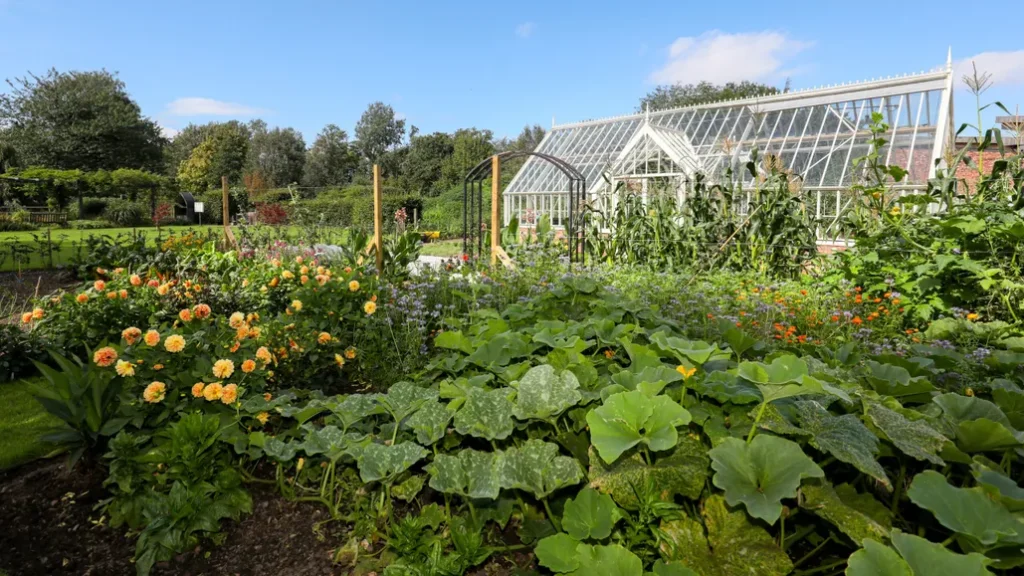
The Importance of Proper Irrigation in an Organic Garden
As the summer months approach, your organic garden requires regular irrigation to thrive. In this article, we will explore the best practices for watering your plants and provide guidance on how to create a sustainable and healthy ecosystem.
Understanding the Importance of Watering
Watering is one of the most critical aspects of organic gardening. Adequate hydration ensures that plants receive the necessary nutrients and water to grow and develop properly. Inadequate watering can lead to stress, disease, and pest issues, ultimately affecting crop yields and garden health.
Choosing the Right Irrigation Method
When it comes to irrigation, there are several methods to choose from, each with its own benefits and drawbacks. Some of the most effective methods include:
- Sloping-Infiltration Laterally (SIL): This method involves directing water towards the root zone through a slope, allowing for better infiltration and reducing runoff.
- Drip Irrigation: This method delivers water directly to the roots, minimizing evaporation and runoff. It’s an excellent choice for plants with deep taproots.
Tips for Effective Watering
To ensure your organic garden receives the right amount of water, follow these tips:
- Water in the early morning or evening: Avoid watering during the hottest part of the day to prevent evaporation.
- Use a slow-release irrigation system: This type of system delivers water slowly over time, reducing the risk of overwatering and runoff.
- Avoid using high-pressure hoses: High-pressure hoses can damage plants and disrupt soil structure.
Using Organic Mulch for Irrigation
Organic mulch plays a crucial role in maintaining soil health and regulating water uptake. Some popular options include:
- Wood Chips or Shavings: These provide excellent insulation, suppress weeds, and retain moisture.
- Composted Materials: Composting helps break down organic matter, creating a nutrient-rich environment that supports healthy plant growth.
Pest Control: The Importance of Natural Methods
As your garden grows, it’s essential to adopt natural pest control methods. Chemical pesticides can harm beneficial insects and contaminate soil. Instead, consider:
- Physical Barriers: Use row covers or fine mesh to prevent pests from reaching plants.
- Organic Pesticides: Explore alternative methods like neem oil, diatomaceous earth, or pyrethrin.
Fruiting and Harvesting: Tips for Organic Gardeners
As your garden produces fruit, follow these guidelines:
- Monitor Temperature and Humidity: Extreme temperatures can impact fruit quality. Maintain optimal conditions for growth.
- Provide Support: Use trellises or stakes to support climbing plants and promote healthy growth.
- Harvest at the Right Time: Regularly inspect your crops, and harvest when they’re ripe to avoid spoilage.
Semination Timing: The Importance of Lunar Phases
To optimize semination timing, observe lunar phases according to agricultural principles:
- Full Moon: Plant warm-season crops like tomatoes, peppers, and eggplants.
- New Moon: Sow cool-season crops like lettuce, spinach, and carrots.
- Quarter Moons: Plant a mix of spring and summer crops.
Seasonal Semination: A Guide for Organic Gardeners
As the seasons change, adjust your semination strategy to accommodate different crop requirements:
- Spring: Focus on warm-season crops like peas, beans, and squash.
- Summer: Sow cool-season crops like lettuce, spinach, and carrots.
- Fall: Plant bulbs and roots for a bountiful harvest.
Additional Tips and Reminders
To ensure your organic garden thrives:
- Use rainwater harvesting systems: Collect and store rainwater to supplement irrigation needs.
- Implement crop rotation techniques: Rotate crops to maintain soil fertility, reduce pests, and promote biodiversity.
- Keep records of planting dates: Track semination times and weather patterns to optimize your gardening strategy.
Conclusion
Organic gardening requires attention to detail, patience, and a willingness to adapt. By following these guidelines, you’ll be well on your way to creating a thriving, sustainable garden that produces an abundance of delicious, nutritious produce.
References:
- “The Organic Gardener’s Handbook” by Joseph Lofers
- “The New Seed Starter’s Handbook” by Nancy Bubel
By incorporating these practices into your daily routine, you’ll be rewarded with a bountiful harvest and a deeper connection to the natural world.


