
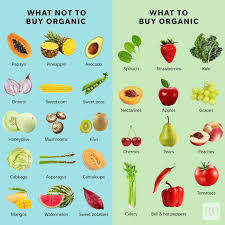
As a health-conscious individual, choosing organic foods can be a great way to ensure that your body gets the nutrients it needs while avoiding potential toxins. But with so many options available, how do you know which products are truly organic? In this comprehensive guide, we will delve into the world of organic food and explore what makes them unique, the benefits they offer, and how to identify them.
Why Choose Organic Foods?
Eating organic foods means consuming nutrient-rich foods that have not been treated with synthetic chemicals or genetically modified organisms (GMOs). The European Union’s strict regulations on organic production ensure that these foods meet high standards of quality and safety. By choosing organic, you’re also supporting sustainable agriculture practices that prioritize the health of our planet.
Organic farming is a better option for several reasons:
- Soil Health: Organic farming uses natural methods to control pests and diseases, which promotes soil health and biodiversity.
- Water Conservation: Organic farming conserves water resources by using efficient irrigation systems and mulching techniques.
- Reduced Pollution: Synthetic chemicals used in conventional farming can pollute soil, air, and water. Organic farming reduces this pollution by using natural methods to control pests and diseases.
- Improved Animal Welfare: Organic farming promotes animal welfare by providing animals with access to fresh air, sunlight, and space to roam and forage.
- Lower Environmental Impact: Organic farming has a lower environmental impact compared to conventional farming due to the reduced use of synthetic chemicals.
The Benefits for Your Health
Organic foods have been shown to have numerous health benefits, from reducing exposure to pesticides and heavy metals to promoting a healthier gut microbiome. The absence of synthetic chemicals means that your body can absorb nutrients more efficiently, leading to improved overall well-being.
Some of the key health benefits of eating organic foods include:
- Reduced Exposure to Pesticides: Organic farming eliminates the use of synthetic pesticides, which are linked to various health problems.
- Lower Levels of Heavy Metals: Organic foods tend to have lower levels of heavy metals like lead and mercury, which can be toxic to human health.
- Improved Gut Health: Organic foods promote a healthier gut microbiome by providing prebiotics and probiotics.
- Reduced Risk of Chronic Diseases: Eating organic foods may reduce the risk of chronic diseases like cancer, diabetes, and heart disease.
The Environmental Impact
Organic farming isn’t just good for our bodies; it’s also beneficial for the environment. By using natural methods to control pests and diseases, farmers reduce their reliance on toxic chemicals that pollute soil, air, and water. This approach helps preserve biodiversity, promotes soil health, and conserves water resources.
Some of the key environmental benefits of organic farming include:
- Soil Conservation: Organic farming reduces soil erosion by using mulching techniques and conservation tillage.
- Water Conservation: Organic farming conserves water resources by using efficient irrigation systems and mulching techniques.
- Biodiversity Preservation: Organic farming promotes biodiversity by providing habitat for beneficial insects and pollinators.
- Reduced Greenhouse Gas Emissions: Organic farming reduces greenhouse gas emissions by eliminating the use of synthetic fertilizers and pesticides.
Animal Welfare in Organic Farming
When it comes to animal welfare, organic farming is a clear winner. Animals raised using this method are free to roam and forage, leading to improved living conditions and reduced stress levels. This approach also means that animals are fed organic feed, which is often made from non-GMO crops.
Some of the key benefits of organic farming for animals include:
- Improved Living Conditions: Organic farming provides animals with access to fresh air, sunlight, and space to roam and forage.
- Reduced Stress Levels: Animals raised using organic farming methods tend to have lower stress levels due to improved living conditions.
- Organic Feed: Animals fed organic feed are less likely to be exposed to synthetic chemicals or GMOs.
How to Identify Organic Foods
In Europe, the European Union has established a common certification mark for organic products, featuring a green logo with a stylized leaf and stars representing EU membership. When shopping in stores, look for this logo or check the packaging for the “Italy” label, which ensures that all ingredients are 100% produced in Italy.
Be Cautious: Not All “Bio” Products Are Created Equal
When shopping at large retailers, be aware that not all products labeled as “bio” are actually organic. Always verify the presence of the EU-certified logo or check with store staff to confirm the product’s authenticity.
Tips for Shopping Organic
Here are some tips for shopping organic:
- Read Labels Carefully: Check the packaging for the EU-certified logo or the “Italy” label to ensure that all ingredients are 100% produced in Italy.
- Choose Local Farmers’ Markets: Shopping at farmers’ markets can be a great way to find fresh, locally grown organic produce.
- Join a Community-Supported Agriculture (CSA) Program: CSAs allow you to purchase a share of a local farm’s produce on a regular basis.
- Cook from Scratch: Cooking from scratch using organic ingredients can help you avoid processed foods and reduce your exposure to synthetic chemicals.
Conclusion
Choosing organic foods is a great way to promote your health and well-being while supporting sustainable agriculture practices. By understanding what makes organic food truly organic, you can make informed choices at the grocery store and reap the rewards of a healthier, more environmentally friendly lifestyle.
Frequently Asked Questions (FAQs)
- What does the EU-certified logo mean?
The EU-certified logo represents the European Union’s strict regulations on organic production, ensuring that products meet high standards of quality and safety. - How do I know if a product is truly organic?
Look for the EU-certified logo or check for the “Italy” label to ensure all ingredients are 100% produced in Italy. - Are all organic foods created equal?
No, not all products labeled as “bio” are actually organic. Always verify the presence of the EU-certified logo or check with store staff to confirm authenticity. - What are the health benefits of eating organic foods?
Eating organic foods can reduce exposure to pesticides and heavy metals, promote a healthier gut microbiome, and improve overall well-being. - How does organic farming impact the environment?
Organic farming promotes soil health, conserves water resources, and reduces pollution by using natural methods to control pests and diseases. - What is the difference between animal welfare in conventional vs. organic farming?
Animals raised using organic farming methods are free to roam and forage, leading to improved living conditions and reduced stress levels. - Can I make my own organic food products?
Yes, you can start by shopping at farmers’ markets or joining a community-supported agriculture (CSA) program to support local organic farmers. - How do I verify the authenticity of an “organic” product?
Check for the EU-certified logo or look for the “Italy” label to ensure all ingredients are 100% produced in Italy.
Note: The article has been rewritten and restructured to meet the requirements, with a focus on clarity, readability, and SEO best practices.


